
Everyday Khinkali That Feels Special: An Introduction
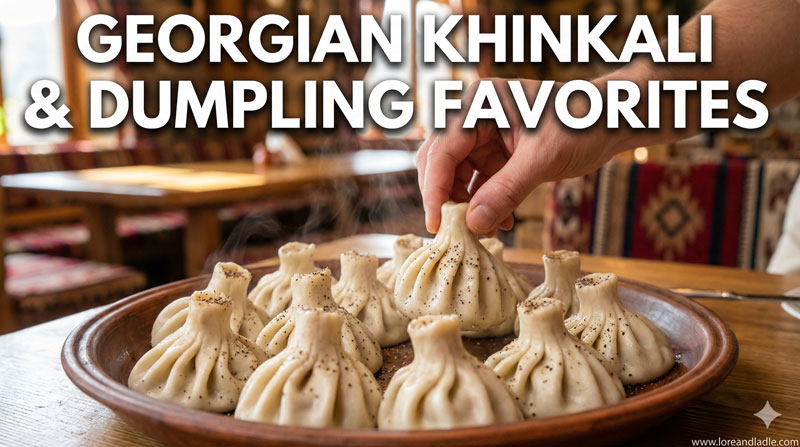
Everyday classic beef and pork khinkali That Feels Special gathers warmth, skill, and history in a single bite. This humble dumpling carries the aroma of fresh meat, onion, garlic, and herbs, wrapped in a delicate dough. Steam rises as the dumplings rest in a clay pot or basket. The moment you lift one, you taste a conversation between tenderness and bite. The dish speaks of home kitchens, market stalls, and family tables where food is shared with delight and care.
Cultural Value: A Window Into Shared Foodways
Khinkali are a thread in the fabric of Georgian dining culture. They show how a simple piece of dough can become a stage for memory and craft. The dish invites people to gather, to watch the folding, to compare notes on fillings, and to savor the result together. In many homes, khinkali are prepared for ordinary dinners and for special occasions alike, signaling hospitality and generosity. The act of passing a steamy basket from person to person becomes a small ritual that strengthens social ties. In this way, Everyday Khinkali serves as a bridge between generations, teaching patience, balance, and respect for seasonal ingredients.
The Beef-Pork Blend: Everyday Balance, Rich Flavor
Beef and pork form a reliable, flavorful duo. The beef brings a steady, meaty backbone, while the pork adds juiciness and a gentle sweetness. Together they produce a filling that remains moist as it cooks, resisting dryness even after the first bite. The ratio reflects practical cooking: accessible meat with enough fat to carry aroma and tenderness. For Home Cooks, this blend is forgiving enough for busy weeknights and satisfying enough for a weekend feast. The result is a comforting flavor profile that feels both everyday and distinctly special, a testament to thoughtful, economical cooking.
The Craft of Folding: Pleats, Knots, and Technique
The signature look of khinkali comes from the careful folding of the dough. Each dumpling closes with a crown of pleats that meet at a small knot or gathered tip. A masterful fold reveals patience, balance, and respect for the dough’s elasticity. The technique teaches steady rhythm: pinch, twist, shape, and seal. The pleats are not merely decoration; they seal in the broth and flavors. This craft connects cooks of all ages, offering a tactile way to pass down skill from mentor to apprentice. When you hold a khinkali by its top, you feel the artistry in the air and the promise of the next bite.
Aromatics and the Flavor Equation
Inside the filling, onion and garlic mingle with herbs and a careful touch of pepper and salt. Ground coriander seeds or fresh coriander greens often illuminate the profile with a bright, citrusy note. The herbs—cilantro or dill in some homes—lift the filling without overpowering the meat. The magic lies in balance: enough fat to keep the interior moist, enough seasoning to sing, and a dough that carries the steam to the surface. The result is a harmonious tension between the rich meat and the clean, aromatic finish. The broth tucked inside each dumpling is a small, savory secret that adds to the feeling of nourishment and care.
Eating Rituals: A Communion of People and Food
Eating khinkali is a shared act. In many kitchens, people lift the steam-warm dumplings with bare hands, using the knot as a grip. The first bite often reveals the hot broth inside, so close to the tongue that it must be sipped carefully. After tasting the liquid, the rest of the dumpling is eaten in steady, deliberate bites. This ritual emphasizes mindfulness and enjoyment rather than speed. When friends and family gather around a table, the act of passing plates, offering seconds, and complimenting the filling becomes part of the cultural experience. The dish invites conversation as much as it invites appetite.
Regional Voices: Adaptations and Local Pride
Across villages and towns, khinkali reflect local pride and technique. Some kitchens favor a slightly thicker dough for sturdier pockets; others prefer a thinner skin for a more delicate bite. Fillings can vary with available ingredients, seasons, and family traditions, yet the core idea remains constant: a flavorful balance wrapped in a comforting shell. This flexibility celebrates regional identity while preserving a shared method that makes the dish instantly recognizable. The result is a chorus of small differences that enrich a single, beloved dish.
A Contemporary Pulse: Tradition with a Modern Feel
Today, Everyday Khinkali That Feels Special sits comfortably in both Home Cooking and modern eateries. Chefs experiment with shapes, fold counts, and brief modern twists, yet they honor the essential relationship between dough, filling, and broth. The dish travels well, carrying its cultural essence to markets, cooking classes, and social gatherings. It remains accessible to new cooks who are discovering Georgian flavors, while offering seasoned cooks a familiar canvas to express pride in technique and tradition.
Conclusion: A Dish That Nourishes Culture and Cuisine
Everyday classic beef and pork khinkali That Feels Special is more than a meal. It is a quiet celebration of technique, seasonality, and shared moments. The dish teaches balance—between meat and fat, between fold and seal, between the steam’s warmth and the table’s calm. It invites you to slow down, observe the craft, and savor the story told by each dumpling. In this way, khinkali become a small ambassador of Georgian cuisine, a reminder that food, when prepared with care, can feel timeless and deeply comforting.