
About Simple spicy tomato and beef ostri You Can Cook in Any U.S. Kitchen
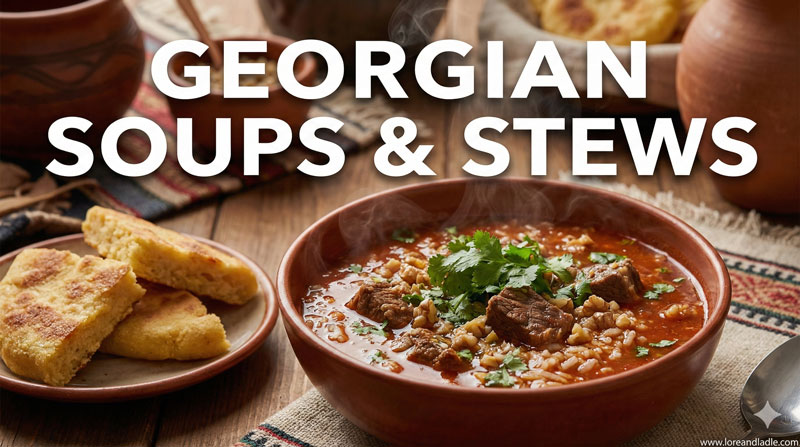
Simple spicy tomato and beef ostri You Can Cook in Any U.S. Kitchen invites readers into a dish that feels both humble and expressive. Its name signals an open invitation: a straightforward skillet meal built on pantry staples. The bright tang of tomatoes pairs with tender beef and a clear kick of spice, creating a comforting flavor that speaks to Home Cooking. This dish travels well in American kitchens, where cooks adapt flavors to what they have on hand. In this post, we explore its cultural value and culinary significance, focusing on taste, technique, and the warmth of shared meals.
Cultural Value in Everyday American Kitchens
In many households, meals are a daily ritual. Simple spicy tomato and beef ostri becomes a canvas for family memory, evolving with each generation. The dish shines in its accessibility: it uses budget-friendly ingredients and rewards careful simmering with depth. As families share the work of prep and the pleasure of a hearty plate, the dish strengthens everyday connections. Its presence on weeknight tables reflects the value of comfort, nourishment, and hospitality.
Culinary Significance: Flavor, Technique, and Accessibility
The cooking method centers on browning the beef to lock in flavor, then building a bright base with onions, garlic, and tomatoes. A gentle simmer lets spices bloom, creating aroma and warmth without fuss. The result is a dish that teaches how simple ingredients can become deeply satisfying through technique. The dish demonstrates how pantry staples can transform into a flavorful meal. Its accessibility makes it a reliable choice for cooks at any skill level. By focusing on balance and restraint, Simple spicy tomato and beef ostri teaches that good taste often lies in simplicity.
Ingredients and Process: Simple, Fresh, and Flexible
Common ingredients include ground beef, ripe tomatoes, onion, garlic, olive oil, and a blend of chili or pepper for heat. The spice mix is flexible: chili powder, smoked paprika, cumin, or fresh chilies can be used. The cooking process is straightforward: sauté aromatics, brown the meat, add tomatoes, season, and simmer. If you prefer, add peppers, corn, or greens toward the end for color and texture. The dish adapts to what is available, making it a true everyday staple in many kitchens.
The Role of Shared Meals and Community
Simple spicy tomato and beef ostri shines when families gather around the stove and table. Preparation becomes a small act of care, and the simmering aroma invites conversation. The dish supports a rhythm of sharing, from choosing ingredients to dividing portions. In this way, food becomes a bridge between individual tastes and common pleasure. The dish honors quiet moments of cooking as well as lively meals with friends.
Regional Variations and Adaptations in the U.S.
Across regions, cooks adapt the dish with local spices and ingredients. in the Southwest, a touch of cumin plus chili peppers creates a warm, desert-friendly note. In the Midwest, a heartier tomato base pairs with noodles or polenta for a comforting supper. The East and West Coasts offer fresh herbs or a splash of lemon for brightness. Each variation keeps the core idea intact: beef, tomatoes, spice, and care. These tweaks show how culture lives in the kitchen, shaped by what’s available and what people love.
Pairings, Presentation, and Everyday Moments
Serve the dish with crusty bread, fluffy rice, or pasta to soak up sauce. A sprinkle of fresh herbs adds color and aroma. The way the plate is arranged can reflect hospitality and pride in cooking. This dish invites lingering at the table, turning a simple weeknight into a small celebration of flavor and connection.
Conclusion: A Dish that Bridges Taste and Tradition
Simple spicy tomato and beef ostri You Can Cook in Any U.S. Kitchen is more than a meal. It is a profile of everyday flavor, practical technique, and shared joy. It honors the beauty found in simple ingredients and patient cooking. By inviting all cooks to try, it becomes a welcoming piece of the American kitchen mosaic.