
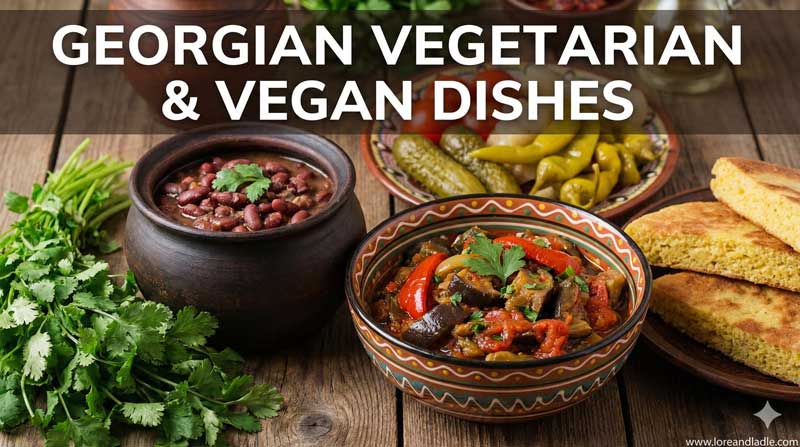
Fresh Ways to Enjoy vegan-friendly Georgian mezze spread Without Leaving Home
Georgian cuisine centers on warmth, seasonality, and generous hospitality. A vegan-friendly mezze spread from Georgia invites you to explore color, aroma, and texture—right at Home. This post highlights the cultural value and culinary significance of the spread, showing how plant-focused ingredients can shine together.
The spirit of Georgian hospitality
Hospitality is a living tradition in Georgia. When friends gather, food becomes a gesture of welcome and conversation. A mezze spread offers plenty of small plates, each carrying bright flavors and careful technique. By preparing plant-forward dishes, you honor a long-standing culture of sharing, inviting everyone to taste the land’s generosity. The mezze board becomes a social canvas where conversation and aroma mingle with vibrant colors.
Why a vegan-friendly approach feels natural here
Georgian cooks often celebrate vegetables, herbs, and nuts as the heart of a dish. A vegan-friendly mezze spread emphasizes these elements without dairy or animal products. The result is clean, bright, and deeply satisfying. The philosophy is simple: balance textures, balance flavors, and balance the plate so each bite invites another.
Pillars of the spread: fresh vegetables, nuts, and herbs
A well-rounded Georgian mezze spread relies on four pillars that shine in every bite:
– Fresh vegetables: crisp cucumbers, ripe tomatoes, pepper wedges, and tender radishes. These provide brightness and crunch.
– Nuts and seed pastes: walnuts are central, ground to a creamy or chunky paste to bring richness without dairy.
– Herbs and aromatics: cilantro, dill, parsley, mint, and garlic add perfume and lift.
– Olive oil and acidity: a light drizzle of high-quality oil and a splash of lemon or vinegar balance the richness.
For thoughtful variety, include a few warm elements like lightly toasted sesame seeds or a sprinkle of pomegranate seeds for color and a gentle sweetness.
Signature vegan-friendly dishes to include
You can assemble a delightful set with these plant-forward pillars:
– Spinach-walnut pkhali: a creamy blend of greens, walnuts, garlic, and herbs. It’s silky, bright, and entirely vegan.
– Beetroot pkhali: a ruby-hued puree that contrasts beautifully with green herbs and walnuts.
– Roasted pepper and walnut dip: peppers roasted until sweet, then blended with walnuts, garlic, and olive oil.
– Fresh herb paste: a bright mix of dill, cilantro, parsley, garlic, lemon juice, and oil—serving as a zesty spoonful or spread.
– Crunchy flatbread companions: serve with warm, lightly crisped flatbreads or crisp lavash, ideal for scooping.
– Quick pickles and ribbons: cucumber and carrot ribbons with a touch of vinegar and salt add tang and crunch.
These choices highlight texture, aroma, and color, while remaining faithful to a vegan interpretation. Each component can be prepared ahead and brought together just before serving.
Techniques that elevate flavor
- Toast nuts lightly: a short warmth enhances aroma and sweetness.
- Grind into a rustic paste: keep some texture for bite and character.
- Use bright acidity: lemon juice or a splash of vinegar lifts the greens and nuts.
- Layer herbs in steps: chop finely for a fresh, grassy note, then fold in larger herb bits for bursts of aroma.
- Drizzle generously but evenly: finish with a light olive oil to unify the plate.
Texture and color: a feast for the eyes and palate
A Georgian mezze spread thrives on contrast. Creamy pkhali sits beside crisp vegetables. The walnut paste adds depth, while fresh herbs lift the entire board. The color palette—greens, earthy browns, and vibrant reds—creates an inviting scene that makes the meal feel celebratory, even on a quiet night at home.
Seasonal pairings and mindful sourcing
Choose ingredients that reflect the season. In spring, bright greens and fresh herbs take center stage. In autumn, roasted peppers and beets offer deep color and sweetness. Quality olive oil, fresh garlic, and local walnuts can elevate any component. Mindful sourcing supports flavor and sustains the beauty of seasonal cooking.
How to assemble at home with a sense of place
- Start with a clean, flat board or platter. Place small bowls for dips toward the center.
- Spoon a few dips into bowls, and leave some room for spreading.
- Arrange vegetables around the dips in a pleasing pattern. Alternate colors and textures.
- Add bread or flatbread on the side, warm and pliable for scooping.
- Finish with herb sprigs and a light drizzle of olive oil. A few pomegranate seeds or lemon zest can add a festive touch.
- Present a brief note about each component to invite curiosity and conversation.
The act of assembling itself becomes part of the experience. A calm, deliberate setup mirrors Georgian hospitality—careful, thoughtful, and welcoming.
The cultural value of sharing and conversation
Sharing a mezze board is more than eating; it is a moment of connection. The act invites conversation about flavors, preparation methods, and the seasons. In this setting, food becomes a bridge between senses and stories. The vegan-friendly Georgian mezze spread celebrates community, curiosity, and respect for plant-based ingredients. It invites everyone to taste artistry, learn, and enjoy together.
A gentle invitation to explore
If you are new to Georgian flavors, this spread is approachable and generous. Start with one or two dips, add vegetables you love, and gradually expand with new herbs. The result is a nourishing, fragrant experience that honors culture through simple, flavorful acts.
In closing: embracing the beauty of the dish
The vegan-friendly Georgian mezze spread is more than a collection of dishes. It is a celebration of how plants, herbs, and traditional techniques come together to create something timeless and inviting. When you serve this spread at home, you invite warmth, color, and a sense of place to your table. It remains a beautiful example of culinary significance and cultural value—delightful to prepare, delightful to share.