
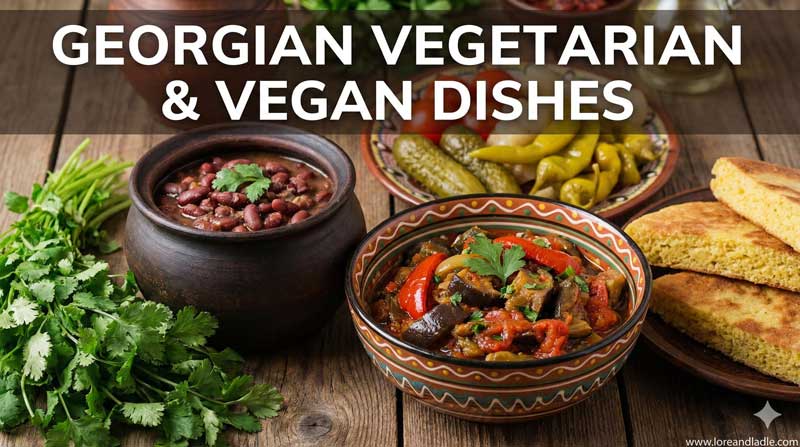
Welcome: Introducing plant-based Georgian comfort food ideas to bring Georgian flavors to your U.S. table
This post celebrates a thoughtful way to savor Georgia’s cooking in a plant-friendly way. The dish concept focuses on comfort, warmth, and fresh, seasonal ingredients. It highlights how simple steps and plant-based substitutes can honor traditional flavors while inviting new cooks to the table. The goal is clear: celebrate skill, hospitality, and the beauty of Georgia’s food culture in every bite.
The heart of Georgian flavor: fresh herbs, nuts, and bright contrasts
Georgian cooking centers on balance. Fresh herbs, roasted vegetables, nuts, and subtle spices mingle with bread, cheese, and beans. The flavor palette often features tangy notes from grape must or vinegar, creamy textures from ground nuts, and smoky warmth from roasted peppers and paprika. This combination makes meals feel grounded, generous, and comforting. In plant-based versions, cashew or almond cheese can stand in for dairy, walnuts add depth, and bright herbs lift the plate. The result is a table that feels alive, inviting, and deeply satisfying.
Plant-based adaptations that honor tradition
You can adapt beloved Georgian dishes with simple, friendly substitutions. The core idea remains: respect for ingredients, thoughtful technique, and shared food.
- Khachapuri, the iconic cheese-filled bread, becomes plant-based with a creamy cashew or almond cheese. A top drizzle of olive oil and a dash of black pepper complete the richness.
- Lobio, a comforting bean stew, shines with aromatics like garlic, onion, cilantro, and fresh herbs. Use red kidney beans or pinto beans for heartiness and finish with a squeeze of lemon.
- Pkhali, the walnut-paste tradition, can be varied with beets, spinach, or carrots. Walnut paste with garlic and herbs makes a silky, savory spread.
- Khinkali, dumplings that feel like little bundles of warmth, can be filled with mushroom and herb mixtures for a savory bite that satisfies the craving for a dumpling.
- Chvishtari, a cornmeal bread with cheese, adapts well with a plant-based cheese blend and a touch of mixed herbs for a crusty, comforting slice.
These adaptations keep the spirit of the dishes intact while making them accessible for plant-based kitchens and U.S. ingredient markets.
Dishes to try: ideas that bring Georgia to the table
- Plant-based Khachapuri: A round loaf with a lush, dairy-free center. Use a cashew-cream cheese and a glossy crust. Bake until the edges turn golden and serve hot.
- Vegan Lobio Pot: A slow-simmered bean stew with bell peppers, herbs, and a tangy finish. It pairs beautifully with rustic bread and chopped herbs.
- Pkhali Trio: A walnut-based spread enriched with beets, spinach, or carrots. Serve with bread or crackers for a light starter or side.
- Mushroom Khinkali: Dumplings filled with sautéed mushrooms, onions, and dill. Steam or boil, then finish with a light sauce or butter substitute.
- Chvishtari with Plant-Based Cheese: Cornbread with a savory cheese twist. A comforting, sliceable loaf that pairs nicely with a fresh herb salad.
These ideas honor Georgian cooking rhythms—sharing, flavor layering, and comforting textures—while using plant-based ingredients that are easy to find in U.S. markets.
Techniques that make plant-based Georgian dishes sing
- Dough work: A soft, elastic dough forms the backbone of khachapuri and khinkali. A gentle rise, careful kneading, and a rested dough yield a tender crumb and a sturdy pocket for fillings.
- Walnut cream: If using walnuts, grind them fine with garlic and a splash of water or olive oil to create a luscious paste. The texture should be smooth but with a bit of bite.
- Balance with acidity: A touch of lemon juice or grape vinegar brightens dishes and echoes Georgian acidity used in traditional sauces.
- Herb layers: Dill, cilantro, parsley, and coriander seeds bring brightness and perfume. Layer herbs in the filling and as a fresh finishing sprinkle.
These techniques help plant-based versions maintain the soul of the dishes: warmth, comfort, and a sense of care.
Ingredient spotlight: khmeli suneli and garden herbs
Khmeli suneli is a classic Georgian spice blend that adds aroma and depth. It typically includes coriander seeds, dill seeds, savory, blue fenugreek, and sometimes mint or marjoram. A small amount goes a long way, giving a savory, slightly herbal edge to stews and spreads. Fresh herbs—dill, cilantro, parsley, and mint—lift dishes just before serving, maintaining color and fragrance. Oil, garlic, onions, and roasted peppers round out the flavor, creating a well-balanced plate.
Serving suggestions: presenting comfort with hospitality
Georgian meals are generous and shared. Present plant-based dishes in family-style bowls and platters so guests can choose variety. Offer a warm bread basket, a bright herb salad, and a small plate of walnut pastes. A simple yogurt-alternative or cultured cashew dip can pair well with bread. If you include wine, choose light, fruit-forward options that won’t overpower delicate herbal notes. The aim is to create a table that feels welcoming, where every guest senses care and tradition.
Cultural value and culinary significance: what this brings to your table
- Hospitality and warmth: Georgian meals emphasize hospitality. Plant-based versions amplify this tradition by inviting everyone to partake, regardless of dietary preferences.
- Seasonal and regional flavors: Fresh herbs, beans, beets, nuts, and corn flour reflect seasonal ingredients. Cooking this way highlights local produce and thoughtful preparation.
- Craft and patience: Kneading dough, simmering beans, and building layered flavors require time and care. The result is a dish that speaks of craft, patience, and pride in technique.
- Shared experience: Meals become stories told through taste. Preparing plant-based Georgian dishes together can strengthen family bonds and friendships, creating lasting memories at the table.
- Gentle innovation: Plant-based adaptations honor classics while inviting modern kitchens to explore textures and plant milks, nuts, and seeds in new ways. This thoughtful evolution keeps the cuisine vibrant and accessible.
A gentle guide to bringing it all home in the U.S.
- Start with the essentials: good bread flour for khachapuri-style crusts, cashews for a creamy center, and walnuts for pkhali pastes.
- Build flavor in layers: sauté onions, garlic, and peppers; then add herbs and the khmeli suneli blend for a familiar, comforting aroma.
- Balance textures: pair creamy fillings with a crisp crust, or contrast soft dumplings with a bright herb salad.
- Plan for gatherings: offer a small tasting board with bean stews, walnut spreads, and warm bread. Guests can sample a variety of textures and flavors.
- Keep it simple: choose one or two dishes to start, then expand as you gain confidence with plant-based ingredients and Georgian flavor profiles.
Conclusion: a comforting bridge between kitchens
These plant-based Georgian comfort food ideas invite you to explore a rich culinary tradition with fresh, plant-friendly twists. The dishes honor hospitality, craft, and seasonal produce. They offer a welcoming way to share Georgia’s flavors with friends and family in the United States. By focusing on warmth, balance, and care, you create a table where every bite feels like a conversation—about heritage, craft, and the joy of gathering to enjoy good food together.