
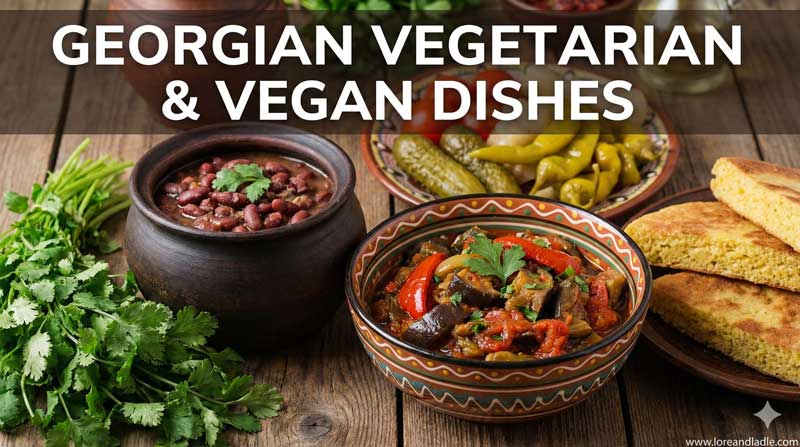
Introducing the Dish: Simple eggplant and walnut pkhali You Can Cook in Any U.S. Kitchen
This dish blends smoky eggplant with a silky walnut purée, bright herbs, and a tangy note. It travels easily from a small kitchen to a larger table. In addition, it welcomes cooks of all levels to explore a moment of Georgian flavor. The name itself invites curiosity: Simple eggplant and walnut pkhali You Can Cook in Any U.S. Kitchen. It signals accessibility, warmth, and a celebration of plant-based ingredients.
A Window into Georgian Culinary Tradition
Georgian cuisine shines with simple, seasonal ingredients prepared with care. Pkhali is a cherished family dish that appears on many tables as a starter or shared plate. It centers around walnut purée, produced with cloves of garlic, fresh herbs, and a touch of acidity. Eggplant is often the companion here, roasted or grilled to bring a smoky depth. The result is a cool, spreadable centerpiece that invites conversation and tasting. This dish shows how a few honest ingredients can become something greater when crackers, bread, or herbs join in. It is a small celebration of regional flavor that feels welcoming in any kitchen.
The Core Elements: Eggplant, Walnuts, Herbs
At the heart of pkhali are two heroes: eggplant and walnuts. The eggplant provides a creamy, mellow base with a smoky edge. The walnuts add richness, protein, and a gentle bitterness that balances the dish. Fresh herbs—usually parsley, cilantro, dill, and sometimes mint—brighten every bite. Garlic offers a quiet bite, while a splash of vinegar or lemon adds lift. Salt and pepper tie the flavors together. Optional touches like pomegranate seeds or a drizzle of good olive oil can finish the dish with color and extra sparkle. This combination creates a texture that is smooth but lively, with pockets of herbiness and crunch from the nut paste.
Texture, Balance, and Culinary Significance
Texture matters in this recipe. The eggplant is smooth and creamy, almost velvety. The walnut mixture provides a gentle grit and depth. When these textures meet, the palate experiences a contrast that is both comforting and refreshing. The herbs act like a bright breeze, lifting the dish from rich to balanced. The acidity keeps the flavors clear and lively. Practically, the preparation teaches a classical technique: roast or grill, scoop, then blend or mash the nut mixture with aromatics before folding in the eggplant. The result is a timeless example of how simple components can deliver elegance and satisfaction on a plate.
Hospitality on a Plate: Cultural Value
Pkhali embodies hospitality in many kitchens. It invites sharing and slow enjoyment. A spread of small dishes, including pkhali, creates a moment to linger over bread, vegetables, and dip. This is food as conversation, aroma, and memory. The dish honors everyday cooking by elevating humble ingredients—eggplant, walnuts, herbs—into something worthy of a special occasion or a quiet weeknight meal. By presenting a dish that is easy to prepare and pleasing to the senses, cooks connect with a broader tradition of care and welcome around the table.
Making It in Any U.S. Kitchen: Accessibility and Adaptations
You can craft this dish with commonly found ingredients in most U.S. markets. Eggplants are widely available, as are walnuts, garlic, fresh herbs, and citrus or vinegar for brightness. In places where fresh herbs are scarce, you can substitute with dried herbs or a smaller amount of dried dill or parsley to maintain aroma. If walnuts are hard to find, a portion can be replaced with another nut or seed, though walnuts keep the authentic character of pkhali. For a vegan-friendly, gluten-free plate, serve with crusty bread, pita, or crisp vegetables. The key is balancing smokiness, nuttiness, and herbaceous freshness, which you can tailor to your pantry without losing the dish’s heart.
Pairings, Presentation, and Celebration
Present pkhali as a small, elegant scoop or spread. Garnish with chopped herbs and a few pomegranate seeds for color and a touch of sweetness. A light drizzle of olive oil adds richness while enhancing the aroma. Pair it with a simple bread or crisp vegetables, and you have a complete, shareable moment. The dish shines in mezze-style meals or as a quiet starter before a larger dinner. It’s also a comforting option for gatherings, inviting guests to dip, taste, and discuss the textures and flavors.
Final Thoughts
Simple eggplant and walnut pkhali is more than a recipe. It is a gateway to a thoughtful culinary tradition and a reminder of how accessible, plant-forward cooking can be. In any U.S. kitchen, the dish offers a graceful approach to flavor, texture, and hospitality. Its beauty lies in the balance of smoky eggplant, creamy walnut, and fresh herbs, all held together by a bright note of acidity. Try it as a new voice at your table, and discover how a humble spread can enrich your cooking, your conversations, and your appreciation for food culture.