
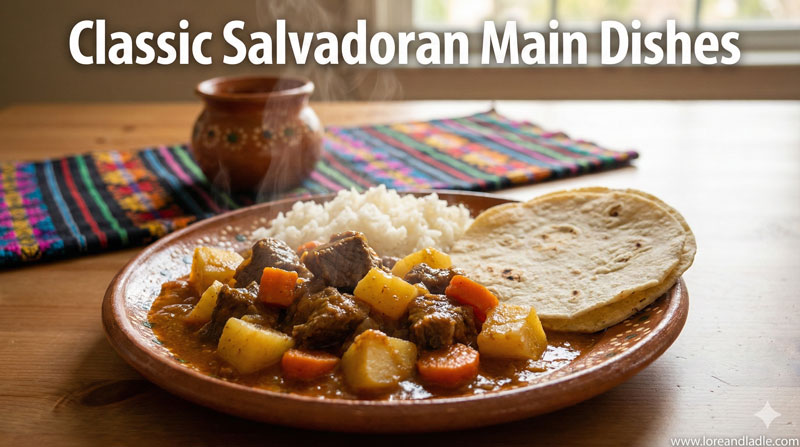
The Ultimate Guide to home-style Salvadoran chicken and rice plates for Beginners
A warm plate of Salvadoran chicken and rice invites you into a kitchen where aroma, color, and comfort meet. This guide focuses on the cultural value and culinary significance of the dish, presenting a clear path for beginners to enjoy a home-style favorite. You will discover why this simple meal holds a steady place in daily life and celebrations alike.
Why this dish shines in Salvadoran homes
In Salvadoran homes, meals tell a story of welcome and care. The chicken and rice plate embodies that spirit through balanced flavors and practical technique. It blends tender meat, fluffy grains, and bright aromatics into a single, satisfying dish. Families often prepare it as a reliable weeknight option, yet it also graces Sunday gatherings and small celebrations. The result is a sense of community expressed through food, shared between cooks and those they feed.
The dish also reflects everyday ingenuity. Home cooks use what’s on hand, adapting seasoning levels and the color of the rice to personal taste. In this way, each kitchen adds its own touch, while preserving a familiar core. The result is a timeless meal that feels both intimate and inviting, a bridge between generations and a doorway to regional flavors.
Core flavors and ingredients
A home-style Salvadoran chicken and rice plate rests on a few dependable ingredients. The goal is harmony: the chicken offers rich savor, the rice provides a tender counterpoint, and the aromatics tie them together.
- Chicken pieces, typically thighs or drumsticks, for moist texture
- Long-grain white rice for light, separate grains
- Sofrito base: onion, garlic, and bell pepper for depth
- Tomatoes or tomato sauce to lend brightness
- Achiote paste or ground annatto for a warm, golden hue
- Chicken stock or water to cook the rice in flavor
- Fresh cilantro or parsley for brightness
- Salt and pepper to balance the profile
- Optional: peas, carrots, and a squeeze of lime for color and freshness
This combination yields a comforting, approachable palate. The achiote adds a gentle warmth and a sunlit color, while the sofrito foundation ensures the dish smells inviting from the moment you start.
Techniques that matter for beginners
The beauty of this dish lies in its approachable technique. Start with a simple plan, and you’ll end with a plate that feels polished yet homey.
- Prep everything first. Chop onion, garlic, pepper, and tomatoes; rinse the rice.
- Brown the chicken. Searing adds flavor and color. You don’t need a perfect crust—just a light golden color on all sides.
- Build the sofrito. in the same pot, soften onion, garlic, and pepper to release their aroma.
- Toast the rice lightly. Stir the rice with the sofrito to coat each grain and wake its starch.
- Add color and liquid. Stir in the achiote and tomatoes, then pour in stock or water.
- Simmer gently. Cover and cook until the rice is tender and the chicken is cooked through. Let it rest a moment to settle.
- Finish with freshness. A squeeze of lime and a scattering of cilantro brighten the plate.
With a one-pot approach, you keep cleanup minimal while maintaining full flavor. If you prefer, you can brown the chicken separately and combine it with the rice later for an extra layer of texture.
Variations you might encounter at home
Home cooks adapt this dish in small, flavorful ways. These variations keep the core idea intact while allowing personality to shine.
- Color and aroma: Use achiote for a warm yellow-orange tone or substitute paprika for a milder hue.
- Vegetables: Add peas and diced carrots for color and sweetness, or include a few slices of bell pepper for extra crunch.
- Tomato presence: Some households use tomato sauce for a smooth base; others rely on fresh chopped tomatoes for a brighter bite.
- Rice texture: For a looser, lighter grain, reduce the liquid slightly; for a creamier result, allow a touch more steam toward the end.
- Meats beyond chicken: While chicken is classic, you can try turkey cutlets or a mix of bones and boneless pieces for varied texture.
These twists are welcome in many homes and help beginners discover how subtle changes alter aroma, color, and mouthfeel, all while staying true to the dish’s essence.
Serving ideas and pairings
A home-style plate shines on its own, but thoughtful accompaniments enrich the experience.
- Fresh citrus: A wedge of lime or orange adds a lively brightness just before eating.
- Greens: A light salad or chopped cilantro leaves offer a crisp contrast to the warm rice.
- Bread or tortillas: Warm tortillas or simple flatbread make the meal sturdier and convenient for scooping.
- Sides: A small portion of beans or a quick veggie sauté complements the dish without overwhelming it.
- Beverage pairing: A cool, refreshing agua fresca or a light, citrusy drink pairs nicely with the savory warmth.
These elements help create a complete, inviting dining experience that celebrates the dish’s simple joy.
Beginner-friendly shopping list and kitchen setup
To start confidently, assemble the essentials in a single trip. This list keeps you prepared without clutter.
- Chicken thighs or drumsticks
- Long-grain white rice
- Onion, garlic, bell pepper
- Tomatoes or tomato sauce
- Achiote paste or ground annatto
- Chicken stock or broth
- Fresh cilantro, lime
- Salt, pepper
- Optional: peas, carrots
A sturdy pot with a tight-fitting lid makes the one-pot method easy. Measure and prep ingredients ahead of time so you can cook with steady momentum.
The cultural value of everyday meals
This dish stands as a daily testament to care and hospitality. It emerges from kitchens where families gather, share, and unwind after a busy day. The preparation teaches patience and balance: the right heat, the right amount of liquid, and a moment to rest before serving. In this way, the dish becomes more than sustenance. It is a ritual of belonging, a quiet celebration of where people come from and how they welcome others to the table.
As a beginner, you participate in a living tradition. Your version may carry the flavors of your own pantry or the preferences of your family. In every iteration, the dish preserves its core: a comforting blend of textures and aromas that speaks to home, memory, and shared meals.
Quick tips for success
- Start with a simple seasoning setup. You can adjust salt and pepper after tasting the broth.
- Don’t rush the browning process. A touch of color on the chicken adds depth to the final dish.
- Keep the rice evenly spread in the pot to avoid clumping.
- Rest the dish briefly after cooking; it helps the rice settle and flavors meld.
- Taste and adjust aromatics at the end, but avoid over-seasoning, which can dull the delicate balance.
Getting started: a simple beginner recipe you can try
- Prepare ingredients: chop onion, garlic, pepper; rinse rice.
- Sauté: in a pot, soften onion, garlic, and pepper. Add achiote paste until fragrant.
- Brown chicken: season with salt and pepper, then brown on all sides.
- Add rice and liquids: stir in rice, add tomatoes (or sauce), then pour in stock.
- Simmer: bring to a gentle boil, reduce heat, cover, and cook until rice is tender and chicken is cooked through.
- Finish: fluff the rice, scatter cilantro, and serve with lime.
This approach keeps the experience approachable while delivering a plate that honours Salvadoran Home Cooking. The Ultimate Guide to home-style Salvadoran chicken and rice plates for Beginners invites you to explore this comforting tradition, one pot at a time. Enjoy the aroma, savor the textures, and celebrate the beauty of a dish built on care, flavor, and everyday joy.