
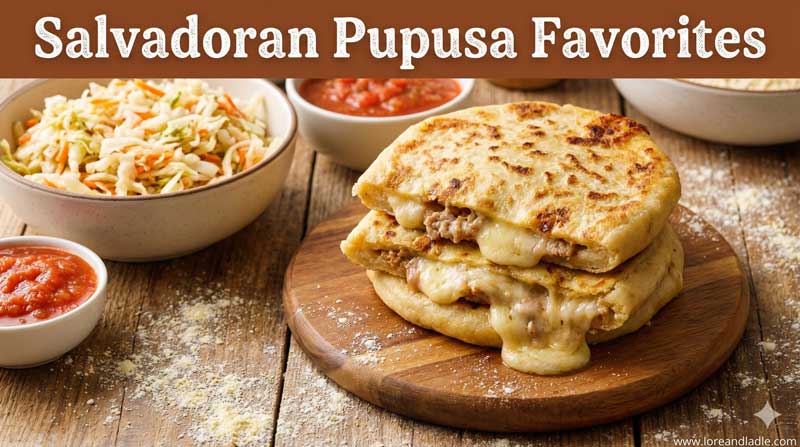
Pupusas are more than a snack. They’re a warm hello from a bustling kitchen, a staple at family meals, and a small ritual that celebrates simple ingredients shaped by care. This post focuses on the dish’s cultural value and culinary significance, with a gentle guide to lightening the classic cheese and bean pupusa through thoughtful ingredient swaps. The goal is to honor taste, texture, and tradition while making room for lighter, approachable variations.
What makes pupusas special
Pupusas combine a soft corn dough with a savory filling. The dough, made from masa harina, becomes a tender disk when pressed and seared on a hot comal or skillet. The most cherished versions pair a melty cheese with a smooth bean paste, creating a comforting contrast between the chewy exterior and the creamy inside. This simple structure invites variation, which families often welcome with pride. In markets and kitchens alike, the pupusa acts as a bridge between everyday cooking and festive moments. It invites conversation, shared bites, and careful attention to technique. The result is a dish that feels both intimate and universally appealing.
The heart of the classic filling
Cheese and beans anchor the traditional pupusa. The cheese provides melt and fragrance, while beans bring earthiness and body. In many homes, cooks blend mild cheeses that melt smoothly to achieve a creamy interior without heaviness. Beans are typically seasoned with garlic, onion, and a touch of salt, then mashed to a velvety spread. Together, they create balance: richness from the cheese and a gentle, savory depth from the beans. This pairing also reflects practical cooking: simple, affordable ingredients that store well, yet deliver a satisfying, comforting bite. When you bite into a pupusa, you feel a quiet celebration of everyday cooking—humble ingredients transformed by warmth, patience, and craft.
Lightening up: ingredient swaps
Lightening the classic cheese and bean pupusa means preserving the dish’s soul while making it a touch lighter on the plate. Here are practical, flavorful swaps that keep texture and balance intact.
- Cheese swaps
- Use part-skim or low-fat cheeses. A blend of a melt-friendly cheese with a touch of a milder, crumbly cheese can maintain creaminess without excess fat.
- Mix in fresh, grated soft squash or mashed white beans with the cheese. The added moisture and sweetness let you reduce cheese slightly while keeping a luscious interior.
- Try a small amount of plant-based cheese designed to melt well. This keeps the illusion of a classic melt while offering a dairy-free option for guests who prefer it.
- Bean and veggie boosts
- Increase the bean portion modestly with a darker bean purée for depth. A smoother purée lets you stretch the filling without losing creaminess.
- Fold in finely minced greens (spinach, chard) or grated zucchini. They add color, moisture, and a gentle freshness without overpowering the filling.
- Masa and dough adjustments
- Hydrate the masa just enough to maintain pliability. A slightly lighter dough helps the pupusa feel less dense after cooking.
- Add a splash of roasted corn kernels to the dough for sweetness and texture. This boosts flavor without changing the essential character of the masa.
- Oil and cooking technique
- Cook on a hot, well-seasoned comal with minimal oil. A quick, steady sear yields a crisp edge and a tender center.
- Let the pupusas rest a moment after cooking. This helps the fillings set and prevents tearing when you bite in.
- Plant-forward and dairy-light options
- Combine cheese with mashed beans and roasted vegetables to create a filling that tastes rich but uses less cheese.
- Replace dairy portions with a dairy-free option that melts well, ensuring the pupusa remains approachable for different diets.
Why these swaps work
– They preserve the essential mouthfeel: a soft, chewy exterior with a creamy interior.
– They maintain balanced flavors: a touch of sweetness from vegetables, savory depth from beans, and the familiar comfort of melted cheese.
– They expand accessibility: lighter versions appeal to different appetites while keeping the dish recognizable.
– They honor tradition by staying close to the classic shapes, textures, and serving style, even as the fillings become more varied.
Techniques for balanced flavor and texture
A successful lightened pupusa still feels like a pupusa. Fine-tune a few technique details to keep that feel intact.
- Hydration and dough handling
- Start with warm water to hydrate the masa gradually. The dough should feel soft, not stiff. If it cracks, add a tiny amount of water and knead gently.
- Rest the dough briefly after mixing. A short rest relaxes the gluten-like structure in corn dough and helps it hold together when pressed.
- Filling distribution
- Keep fillings evenly distributed. Too much filling risks tearing the dough and makes the bite feel heavy.
- For lighter fillings, place a thin layer of cheese on the dough, then a modest layer of beans or vegetables, and cover with another thin layer of dough.
- Pressing and shaping
- Use a smooth, flat surface and press evenly. A uniform disc cooks evenly and prevents hotspots that can toughen edges.
- Roll or press to a thickness that feels sturdy yet delicate. Around a quarter to a half inch is a common range; adjust to your masa’s elasticity.
- Temperature and cooking
- Preheat the comal or skillet until it sizzles lightly when tested with a small piece of dough.
- Cook each side until golden and just set, then flip once. Overcooking can dry the filling, while undercooking can leave the center too soft.
- Restoring tenderness
- If a pupusa feels firm after cooking, cover it briefly with a clean cloth. The residual heat helps the filling settle and the texture relaxes.
Cultural value in modern kitchens
The cheese-and-bean pupusa embodies a family-friendly cuisine that travels well in everyday life. In homes and community kitchens, the process of making pupusas is a collaborative ritual. Parents teach children the feel of the dough, the art of careful filling, and the patience needed to press and cook just right. The dish showcases how a few staple ingredients—corn dough, cheese, beans, and a splash of seasonings—can become something comforting and celebratory. When families share pupusas, they exchange stories of the day, pass around curtido, and savor the moment of togetherness. These simple acts sustain cultural memory and reinforce a sense of belonging.
Lightening the pupusa does not erase its roots; it adds a thread of adaptability that keeps the dish lively in homes with evolving tastes and ingredient availability. By embracing gentle swaps, cooks preserve essential flavors while inviting new friends to participate in the same ritual. The result is a version that feels familiar yet fresh, inviting more people to appreciate the dish’s delicate balance of comfort and brightness. In markets and kitchens alike, the pupusa remains a vivid expression of culinary craft—tiny disks that carry big cultural meaning.
Serving and celebrating the dish
Pupusas shine when paired with bright, crisp accompaniments. A fresh curtido (fermented cabbage slaw) adds a zippy contrast to the creamy filling. A tangy tomato salsa or salsa roja offers a lively palate cleanser between bites. Slices of avocado or a light squeeze of lime enhance the dish without overpowering the filling. The presentation matters too: serve warm, glossy pupusas on a wooden board or plate, with small bowls of curtido and salsa within easy reach. The ritual of dipping and sharing creates a moment of togetherness that many families treasure.
In closing, simple ingredient swaps give the classic cheese and bean pupusa a gentle, lightened charm without losing its essence. The dish remains a testament to the beauty of wise substitutions, thoughtful technique, and the joy of gathering around a hot, comforting bite. Whether you cook for a busy weeknight or a festive weekend, these pupusas celebrate the enduring appeal of a traditional favorite, made inviting for today’s kitchens and palettes.