
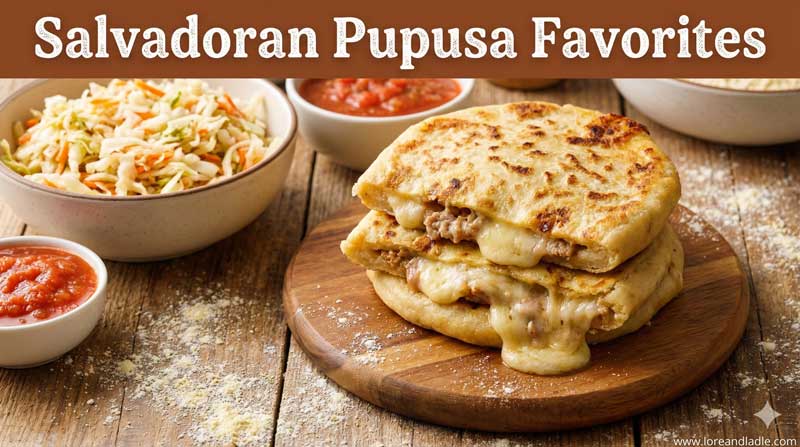
From El Salvador to Your Kitchen: Pupusas Revueltas with Pork, Beans and Cheese
Pupusas revueltas embody a vibrant moment in El Salvadoran cuisine. This dish blends soft corn masa with a hearty mix of pork, beans, and cheese. The result is a warm, inviting bite that speaks of home kitchens, markets, and shared meals. The preparation celebrates balance: textural contrast, comforting flavors, and a sense of welcome in every bite. In short, revueltas are more than food; they are a doorway into the everyday beauty of Salvadoran cooking.
The Heart of the Dish: Masa and Fillings
The foundation is masa de maíz, a smooth dough formed from ground corn. Water and a touch of salt bring the dough to life. Skilled hands shape each disc with care, keeping the center soft and the edges neatly rounded. The fillings—pork, beans, and cheese—create a lively harmony. Pork adds savor and a meaty richness; beans contribute creaminess and depth; cheese lends melt and brightness. This trio is classic, yet forgiving, inviting cooks to adapt with approachable, heartwarming results. Cheeses vary by region and taste, from traditional quesillo or queso fresco to milder, stringier varieties. Together, they showcase how simple ingredients can sing when matched thoughtfully.
Cooking Craft: From Dough to Delight
Pupusas are cooked on a hot, dry griddle or comal. First, a dough ball is pressed into a thick, round disc. Then the filling is tucked inside and the dough sealed with gentle pressure. Finally, the disc is flattened again so the filling is slightly visible at the seam. The cooking time is brief, just long enough for a crisp, lightly browned exterior to form. The interior stays soft and tender, a pleasing contrast that keeps guests coming back for one more bite. The technique highlights careful touch, steady heat, and patience—skills passed down and refined with each batch.
The Taste of Community: Serving and Savoring
Nearly every bite invites conversation and connection. Pupusas are commonly served with curtido, a bright, tangy cabbage slaw, and a tomato-based salsa. Curtido’s acidity cuts through richness, while its crunch adds a refreshing contrast. The pairing creates a complete sensory experience: warmth from the pupusa, brightness from the slaw, and a gentle kick from the salsa. Sharing pupusas revueltas becomes a moment of togetherness, a reason to gather, smile, and savor the day. The dish fits both Busy Weeknights and leisurely weekend meals, always inviting accompaniment and conversation.
A Palette of Salvadoran Flavor: Variations and Culture
Though revueltas center pork, beans, and cheese, cooks often tailor fillings to taste. Some households add a hint of spices, a touch of chili, or a drizzle of oil to heighten aroma. The cheese choice can alter the mouthfeel, from stringy melt to creamy richness. Regional markets showcase small twists that reflect local ingredients and family traditions. Yet the core idea remains timeless: a hearty, harmonious filling wrapped in a tender masa, then grilled to a comforting finish. This enduring pattern reveals how Salvadoran food embraces flexibility, craft, and shared pleasure in everyday meals.
Bringing Pupusas Revuelta into Your Kitchen: Practical Tips
- Start with good masa dough: mix masa harina with water and a pinch of salt until cohesive. Let it rest briefly to hydrate.
- Keep fillings balanced: equal portions of pork, beans, and cheese prevent any single flavor from overpowering the others.
- Seal well: pinch edges firmly so the filling stays inside during cooking.
- Use a hot, dry surface: a well-seasoned griddle or heavy skillet gives the signature slight crust.
- Serve with curtido and salsa: the tangy slaw and bright salsa elevate the dish and complete the experience.
- Personalize thoughtfully: experiment with cheese types or add a touch of herbs, but preserve the core trio for the characteristic revuelta profile.
A Gentle Celebration of Salvadoran Cuisine
Pupusas revueltas with pork, beans, and cheese invite us to slow down and enjoy the beauty of simple ingredients crafted with care. They honor technique, respect tradition, and celebrate the joy of sharing. Each bite offers texture, warmth, and memory—an edible welcome that travels from El Salvador to your kitchen through simple steps and patient, attentive cooking. This dish stands as a flavorful bridge between everyday cooking and a rich culinary heritage, inviting everyone to discover its comforting charm and enduring significance.