
Introduction
Easy Weeknight vegan-friendly bean and veggie pupusas for Busy Families invites you to explore a dish that feels like a hug on a plate. It is practical, flavorful, and rooted in joyful everyday cooking. This post focuses on its cultural value and culinary significance, celebrating how a simple bean and vegetable filling becomes a celebration of family meals and shared flavors.
Pupusas are more than food. They are a favorite at markets, kitchens, and simple gatherings. The name itself signals comfort, daily life, and care. In this version, vegan ingredients fit naturally, making a meal that honors tradition while respecting modern dining needs.
Cultural Value of Pupusas
Pupusas hold a cherished place in the cooking routines of many homes. They show how a few ingredients can become something comforting and complete. The dough, made from masa harina and water, carries the soft, chewy texture that people adore. Filling choices reflect regional tastes and seasonal produce, turning a basic recipe into a canvas for family creativity.
Making pupusas is often a hands-on family activity. Children help pat the dough, neighbors share tips, and meals become a reason to gather. The act of shaping, sealing, and frying mirrors a care for craft and for those at the table. This shared cooking rhythm strengthens the sense that food is about connection as well as nourishment.
Culinary Significance of Bean and Veggie Fillings
Beans provide protein and heartiness, making the filling satisfying for busy days. When mixed with vegetables, they bring color, sweetness, and texture. The result is a filling that feels complete without animal products. This balance showcases how plant-based ingredients can stand up to traditional textures and flavors.
The bean and veggie combo also highlights freshness and seasonality. Onions, peppers, corn, herbs, and greens contribute aroma and brightness. The contrast between a soft inner filling and a lightly crisp exterior creates a pleasing bite every time. In short, this filling embodies versatility, nourishment, and everyday delight.
The Vegan Twist
This pupusa version embraces vegan-friendly ingredients without losing the original spirit. By using beans and vegetables as the core, the dish stays comforting and familiar while inviting plant-based warmth. The spices and herbs lift the flavors, giving depth without heaviness. It shows how traditional foods can adapt gracefully to modern diets while keeping their essential soul intact.
The Tortilla and Texture
The masa dough forms the foundation. When cooked, it yields a tender yet resilient crust that holds the filling well. The exterior becomes lightly crisp from pan-frying, while the interior remains soft and flavorful. The skill is in balancing thickness and sealing so the pupusa stays intact during cooking. This harmony between dough and filling is a hallmark of the dish’s culinary craft.
Serving and Shared Moments
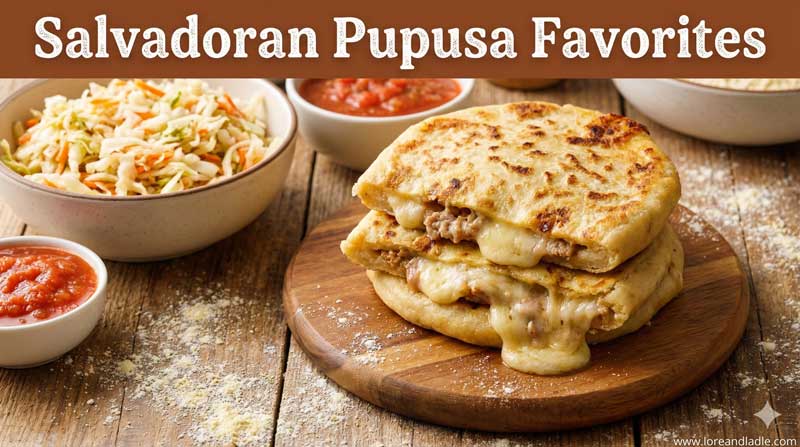
Traditionally, pupusas are enjoyed with curtido—a crisp cabbage slaw—and a tomato-based sauce. These accompaniments add brightness and tang, enhancing the savory warmth of the pupusas. The pairing invites conversation and appreciation for a simple, well-balanced meal. Serving them family-style encourages everyone to take a moment to savor the textures and aromas.
Practical Tips for Busy Families
For weeknights, plan a little ahead. Cook a batch of bean filling and stash it in the fridge for quick assembly. Shape the dough in small portions, keep it covered, and fry a few pupusas at a time. Freeze uncooked pupusas for later meals; they reheat nicely. Use a colorful mix of vegetables to keep meals vibrant and appealing to kids and grownups alike. Involve the family in a short, cheerful routine—this turns cooking into a shared, rewarding activity.
Conclusion
Easy Weeknight vegan-friendly bean and veggie pupusas for Busy Families offers a tasty bridge between everyday life and culinary craft. It highlights how a simple, plant-based filling can carry depth, warmth, and cultural charm. By celebrating texture, color, and family involvement, the dish stands as a delightful reminder that good food can be both easy to make and rich in meaning. Enjoy this inviting, respectful tale of flavor and tradition, served up week after week in homes that value nourishment and togetherness.