
Why desayuno típico Salvadoran breakfast plates Is Winning Over U.S. Foodies
Desayuno típico, or Salvadoran breakfast plates, offers more than a meal. It presents a morning ritual that celebrates balance, texture, and aroma. The plate brings together staple ingredients in a way that feels both hearty and bright. For U.S. foodies, it opens a fresh window into Latin American breakfast artistry. The approach is simple, yet deeply flavorful, making every bite feel like a respectful nod to everyday village kitchens and bustling markets.
The Core Components and Their Roles
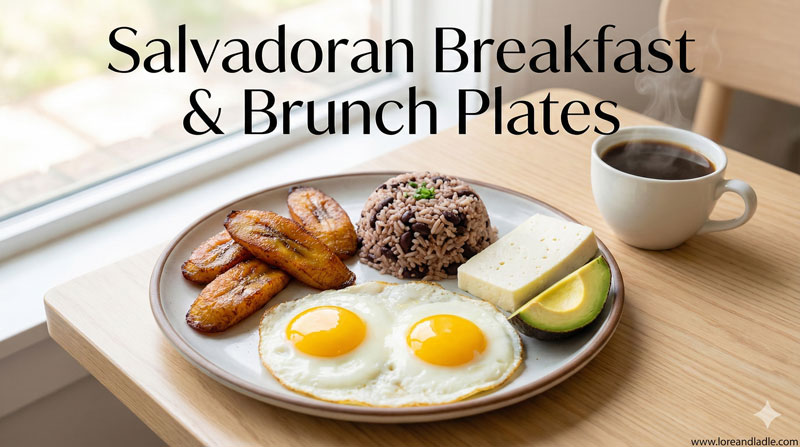
- Frijoles refritos (refried beans): Creamy, savory, and soothing. They form the backbone of the plate, adding creaminess and protein.
- Huevos (eggs): Often fried, they bring richness and a touch of indulgence. Their yolks invite sauces and salsas to mingle.
- Plátanos fritos (fried plantains) or maduros: Sweet, caramelized edges give contrast to the savory beans and eggs.
- Tortillas: Fresh corn tortillas serve as edible spoons, wrappers, and carriers for bites of everything on the plate.
- Queso fresco or queso duro (fresh or aged cheese): A bright, salty counterpoint that lifts the dish.
- Crema: A cool, tangy drizzle that smooths the bold flavors and ties components together.
- Optional chimol or pico de gallo: A light tomato-onion salsa adds brightness and acidity.
Each element is deliberate. Together, they create a harmony of sweet, savory, and creamy notes. The result is a plate that invites slow savoring and mindful tasting, rather than quick grazing.
The Cooking Craft Behind Each Plate
The magic starts with careful selection of ingredients and a calm kitchen tempo. Beans are cooked and mashed to a thick, velvety texture, then seasoned with onion, garlic, and a touch of lard or aceite. The tortillas are warmed on a flat comal until they sing with a hint of browning. Plantains are sliced and fried until their edges become caramel amber. Eggs are prepared to a gentle finish—fried with crisp edges or softly runny yolks, depending on preference.
The cheese is crumbled or craved to melt softly when touched by warm tortillas. Crema is poured in a light lattice over the eggs and beans, balancing sharpness with silkiness. The result is a plate that looks inviting, with colors that tell a story of farm freshness and kitchen skill.
Textures, Flavors, and the Joy of Balance
First comes the contrast: crisp plantain skins meet smooth beans and silky eggs. Next, the softness of fresh cheese and the cool veil of crema provide a gentle counterpoint to the warmth of fried components. The tortillas offer a pliable, tender bite, capable of carrying a line of beans or a bite of egg. Finally, the ensemble ends with a little brightness from a tomato-based salsa, if chosen. This balance is the heart of the dish. It keeps flavors distinct while weaving them into a comforting whole.
Cultural Value in Everyday Life
Desayuno típico is more than sustenance. It embodies a daily ritual that families share and celebrate. Preparing the plate becomes a moment of care, inviting conversation and connection. The components reflect regional abundance: beans from the family garden or a local market, plátanos ripening on a back stoop, fresh cheese from a nearby dairy. The plate tells a story of local life—how markets hum with activity, how cooks tune flavors to family preferences, how mornings begin with a sense of readiness for the day ahead.
Rituals of the Table: Sharing and Morning Energy
In many homes, breakfast is a gathering. Parents, siblings, or friends sit together, passing tortillas and sharing bites. A pot of coffee or a mug of hot honeyed tea waits nearby, inviting slow sips and conversation. The pace feels unhurried, a small retreat from the busy day to come. This social rhythm gives the meal a cultural depth that goes beyond taste. It’s about being present, savoring the moment, and starting the day with warmth.
Visual Appeal and Market Freshness
The plate is a celebration of color and texture. Golden fried plantains glow beside pale beans and white cheese. The red of a careful salsa or the green of fresh herbs can brighten the scene. The sensory impact is immediate: aroma rising from the beans, a crisp edge on plantains, the comfort of melted cheese. That visual and aromatic appeal helps the dish travel well from kitchen to table, inviting curiosity and appreciation among new diners.
How to Enjoy It in the U.S. or at Home
- Seek quality ingredients: look for good quality corn tortillas, authentic crema, and fresh queso. If local options are limited, alternatives like cotija or feta can offer a similar salty tang.
- Prepare with a calm pace: start with beans simmering, then warm tortillas, while plantains fry. Finish with eggs and cheese just before serving.
- Pair thoughtfully: a bright coffee or a light fruit agua fresca complements the meal without overpowering it.
- Adapt flavors with care: if chimol is unavailable, a quick mix of tomato, onion, a splash of lime, and cilantro can provide the required brightness.
The beauty of this breakfast is in its flexibility. It welcomes small adjustments while preserving its core balance and charm. U.S. diners can experience the same warmth by preparing it at Home or seeking a Salvadoran café where the plate is prepared with care.
A Quick Guide to Recreating the Plate
- Plan the order: beans first, plantains second, tortillas third, eggs fourth, cheese and crema as toppings last.
- Control heat: fry plantains until the edges are crisp but centers stay soft. Eggs should be finished with a gentle sizzle, not a harsh fry.
- Layer thoughtfully: spread beans on a tortilla, add plantains, place eggs, sprinkle cheese, then drizzle crema.
- Finish with freshness: a light salsa or a squeeze of lime adds a final lift.
This approach keeps the dish approachable while preserving its distinctive Salvadoran voice.
The Dish in the Curriculum of Flavor
Desayuno típico Salvadoran breakfast plates sit at the intersection of everyday life and culinary craft. They teach us to value balance, technique, and seasonal ingredients. The dish encourages mindful eating: notice the sweetness of plantains beside the savory beans, the creaminess of the cheese balancing the heat, the soft tortilla tying every bite together. It is a lesson in how simple, well-prepared ingredients can become a rich, complete meal.
Concluding Note: A Bright Window to Salvadoran Taste
These breakfast plates welcome everyone to a morning of appreciation and discovery. They highlight how cultural food can be both comforting and exciting, familiar and new at the same time. For U.S. foodies and curious eaters, the desayuno típico offers a savory gateway to Salvadoran culinary artistry—made with care, enjoyed slowly, and shared with warmth. The plate stands as a testament to the beauty of everyday cooking and the joyful flavors that nourish the day ahead.