
From El Salvador to Your Kitchen: desayuno típico Salvadoran breakfast plates
Introduction
Every morning, a plate of desayuno típico Salvadoran breakfast plates greets the day with warmth and color. This meal is more than fuel; it is a ritual that celebrates community, family, and the careful balance of flavors that Central American kitchens nurture. The dish speaks softly of mornings at Home, markets that bustle with fresh produce, and the simple joy of sharing a table. Its appeal lies in approachable ingredients, respectful technique, and a sense of place that travelers and locals alike feel when they take a bite.
The Core Elements of the Plate
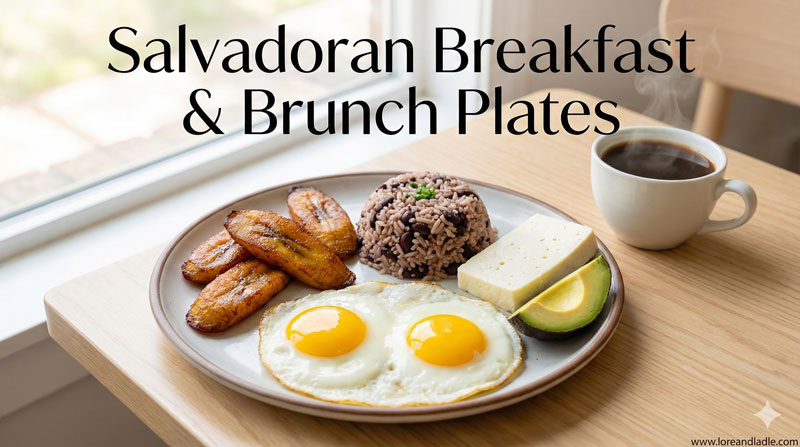
A classic desayuna típico centers on harmony among several familiar elements. Warm corn tortillas offer a comforting base. Frijoles refritos (refried beans) bring creaminess and depth, while a few slices of ripe plantain add sweet contrast. Eggs, often with bright yolks, provide protein and a gentle richness. A scoop of crema and a dusting of queso fresco give a tangy, bright finish. Avocado adds freshness, color, and a creamy note that rounds the plate. In many homes, a small serving of rice or a light salsa may accompany the scene. In some regions, a pupusa or a light meat option might appear, but the essence remains the same: a balance of textures—crisp tortilla, velvety beans, soft eggs, and a hint of sweetness from plantains.
The arrangement is deliberate but not rigid. Each element can be enjoyed on its own or combined in bites that reveal new contrasts. The textures shift from warm and tender to creamy and cool, while the flavors range from mellow and savory to bright and tangy. This interplay keeps the plate lively without overwhelming the palate.
Techniques and Flavor Harmony
Culinary significance shines in how the components meet on the plate. The beans are often gently mashed, not pureed, to retain a comforting bite. The eggs may be cooked softly to preserve moisture and a runny yolk spirit that mingles with the beans and crema. Tortillas are usually warm enough to carry fillings without becoming soggy, creating a seamless mouthfeel between bites.
Plantains offer a caramelized sweetness that echoes the richness of the crema and cheese. The crema adds a silky, cool note that contrasts with the warmth of the other elements. Cheese provides a light saltiness and a crumbly texture that complements the smoothness of the beans. Avocado slices contribute a fresh, grassy note that brightens the plate and helps balance the meal overall.
Attention to temperature is key. A variety of temperatures—hot tortillas, warm beans, cool crema, and ripe plantains—creates a dynamic listening for the palate. The result is a plate that feels cohesive yet allows each component to shine in its own right.
A Window into Daily Life
Desayuno típico is more than a recipe; it is a daily expression of care and routine. In homes and street stalls alike, the breakfast scene invites conversation, shared bites, and a sense of belonging. The dishes reflect local farming cycles: corn, beans, and plantains arriving fresh from nearby fields, dairy items sourced from nearby creameries, and coffee that wakes the morning with a soft aroma. This meal marks the start of the day with intention, offering energy for work, study, and family moments to come.
Culinary traditions like this celebrate hospitality by inviting everyone at the table to participate—whether through offering a second tortilla, passing the crema, or choosing the first bite with a smile. The plates serve as a gentle reminder that nourishment is a social act as much as a personal one.
Regional Twists and Variations
Across El Salvador, breakfast plates carry regional personality without losing their core identity. In some regions, eggs may be reflected with a touch of hue from fresh salsa or herbs. A side of avocado may be sliced neatly or mashed into a quick spread. While plantains remain common, some kitchens favor ripe, fried rounds for a deeper sweetness. Cheeses can range from crumbly fresco to smoother queso duro, each lending its own texture and salt profile.
Even when extras appear—like a small portion of grilled carne, a sliver of salty chicharrón, or a fresh curtido (a tangy cabbage slaw)—they enhance rather than replace the essential trio of beans, eggs, and tortillas. The variations celebrate local harvests and family preferences, showing how a single breakfast can carry different flavors while preserving the same spirit of morning nourishment.
Sourcing, Freshness, and Presentation
The beauty of desayunos típicos rests partly on the quality of ingredients. Fresh tortillas, bright beans, and ripe plantains create a memorable bite. In markets and kitchens, cooks select coffee beans with care, knowing a true cup of coffee can elevate the entire meal. Presentation matters too: a tidy plate with a gentle balance of colors invites anticipation and respect for each component.
This focus on freshness and balance mirrors broader food culture values—honoring inputs from the land, honoring the hands that prepared them, and honoring the moment of sharing. The result is a plate that feels both humble and celebratory.
Plating for Everyday Joy
To honor the dish, keep presentation simple and inviting. Place a tortilla or two as the base, layer a small portion of beans, and set eggs nearby with a bright splash of crema. Add a few slices of avocado and plantain to frame the plate, then finish with a pinch of cheese and a light dusting of salt. A wedge of lime or a small serving of curtido can be included to spark brightness if desired. The goal is to create a scene that looks inviting and tastes balanced, not crowded.
How to Recreate at Home
If you want to bring a touch of this cultural breakfast into your kitchen, start with the core elements and let regional preferences guide you. Choose fresh corn tortillas, hearty beans, and ripe plantains. Add eggs cooked softly, a spoon of crema, and a few slices of cheese. Finish with avocado and a simple salsa if you like a zing of brightness. Think in terms of texture and temperature, not just flavor. The joy comes from the way these components meet and the comfort they bring at the start of the day.
This approach keeps the focus on culture and culinary significance: a respectful recreation that honors the original plate while inviting your own gentle adaptations.
Conclusion
Desayuno típico Salvadoran breakfast plates offer a welcoming glimpse into a culture where meals begin with care, end with satisfaction, and stay with you through the day. The combination of beans, eggs, tortillas, plantains, cheese, crema, and avocado creates a balanced, comforting experience that highlights both everyday life and shared joy. By savoring this breakfast, you celebrate a culinary tradition that values simplicity, warmth, and the art of harmonizing flavors. Whether enjoyed at dawn in a family kitchen or imagined during a quiet morning at home, the dish remains a timeless expression of Salvadoran hospitality and culinary artistry.