
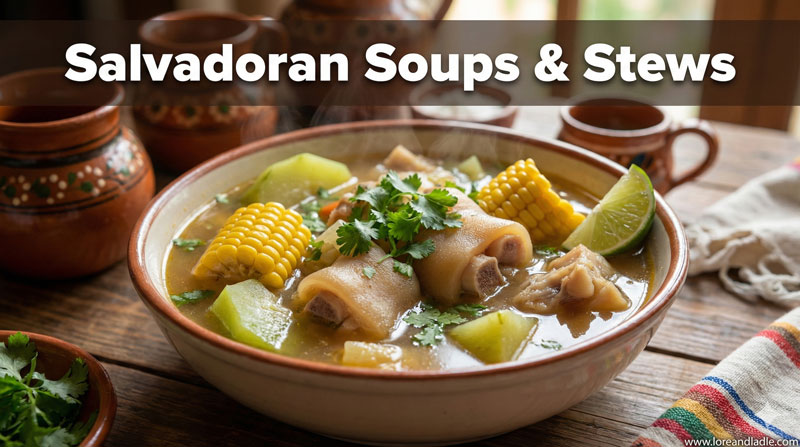
Sopa de res, hearty Salvadoran beef soup: What to Order at Salvadoran Restaurants in the U.S.
Sopa de res is more than a bowl of soup. It Is a warm, generous expression of Salvadoran hospitality. In kitchens back home and in many Salvadoran restaurants across the United States, this dish invites people to slow down, share, and savor the depths of flavor built through careful technique and trusted ingredients. This post celebrates its cultural value and culinary significance, and it offers practical notes on what to order when you visit Salvadoran eateries in the U.S.
What is Sopa de Res?
Sopa de res, or hearty beef soup, centers on a sturdy beef cut, typically bone-in—often a beef shank or a meaty bone segment—simmered until it yields tender meat and a rich, aromatic broth. Into the pot go vegetables that bring texture and sweetness: corn on the cob, chunks of potato, pieces of yucca (cassava), slices of carrot, and sometimes chayotes. A handful of herbs—garlic, onion, cilantro—and a hint of oregano brighten the broth. The result is a satisfying, comforting soup with a clear, soulful broth and a rainbow of textures in every spoonful.
The Art of the Broth
A great sopa de res starts with the broth. Chefs brown the meat to develop a subtle depth, then simmer it slowly with bones to extract collagen and a savory roundness. Time is the invisible ingredient here. Low heat and patience coax out gelatin and a meaty sweetness that lingers on the palate. The vegetables join the pot midstream, absorbing the seasoned liquid while contributing their own character: the sweetness of corn, the starchy bite of potato, and the creamy bite of yucca. The result is a broth that feels both bright and substantial, a foundation for the other flavors to dance upon.
Texture, Flavor, and Balance
In a well-made sopa de res, balance is the guiding principle. The beef is tender but still has a bite, the vegetables provide contrast, and the broth carries the aroma of garlic, onion, cilantro, and oregano. Corn adds bursts of sweetness with each bite, while yucca and potato offer comforting heft. A squeeze of lime or a scattering of chopped cilantro can lift the broth, revealing new notes without masking the core flavors. The overall experience is warm and satisfying, inviting slow tasting and conversation.
A Dish of Family, Food, and Sharing
The cultural value of sopa de res lies in its role as a communal, everyday treasure. It is a dish that appears at family meals, Weekend Gatherings, and comforting lunches alike. In Salvadoran homes, sharing a pot of sopa de res is a way to welcome guests and to express care. The act of serving a steaming bowl, offering lime wedges and warm tortillas or rice on the side, embodies hospitality. This sense of sharing carries beyond the kitchen; it becomes a memory that people carry with them and recreate when they dine out at Salvadoran restaurants in the U.S.
Regional Flair Within El Salvador
Across regions, cooks bring subtle differences to sopa de res. Some versions lean toward a sweeter profile with more corn or a touch of ripe plantain. Others emphasize a leaner broth and crisper vegetables. You may find small regional tweaks like the choice of herbs or the presence of additional vegetables such as bell pepper or green plantain slices. In the U.S., restaurateurs often preserve the core identity—tender beef, a rich broth, and a generous assortment of vegetables—while adapting the dish to local tastes and available produce. The core idea remains the same: a nourishing bowl that tells a story of home, craft, and care.
Indigenous Roots in the Ingredients
While the dish has evolved through many hands and kitchens, the key ingredients reflect long-standing culinary traditions. Corn and yucca anchor the soup, connecting present-day plates to generations of cooks who celebrated these staples for texture, sweetness, and sustenance. Fresh cilantro, garlic, and lime brighten the bowl, echoing the vibrant flavors found in many Central American kitchens. This combination—hearty beef, starchy vegetables, and bright herbs—speaks to a food culture that values balance, seasonality, and comfort.
How to Order Sopa de Res in U.S. Salvadoran Restaurants
If you want to experience sopa de res at its best in the United States, here are practical tips:
- Look for the dish by name. On many menus, it will appear as “Sopa de Res” or “Sopa de Res with beef.” If you don’t see it, ask the server if the kitchen has a similar beef soup.
- Decide on portion size. Traditional bowls can be generous. If you’re ordering for one, you may choose a smaller cup or a standard bowl, then add extra bread or rice on the side.
- Request optional enhancements. A squeeze of lime, a handful of chopped cilantro, and a side of tortillas or white rice complement the soup beautifully.
- Consider your side pairing. Alongside sopa de res, many diners enjoy fresh slaw, avocado slices, or a light cucumber salad. A simple hot sauce or pico de gallo can provide a gentle heat and brightness.
- Be open to variations. Some kitchens add unique touches—more corn for sweetness, additional yucca for starch, or a touch of bell pepper. These variations stay faithful to the core idea: a hearty, flavorful broth with tender beef and comforting vegetables.
Pairings and the Experience of Dining
Sopa de res shines when paired with simple, homestyle sides. A side of white rice helps soak up the flavorful broth, while warm tortillas invite you to dip and savor. A light salad with fresh lime can cleanse the palate between spoonfuls, keeping the experience lively and balanced. For beverages, a cold agua fresca or a lightly sparkling drink often complements the dish without overpowering the flavors.
A Dish for All Seasons and Tastes
Sopa de res offers a versatile culinary experience. Its warmth and heartiness make it a comforting choice on cooler days, while the bright herbal notes keep it lively enough for year-round enjoyment. The dish invites mindful tasting— savoring the beef’s tenderness, appreciating the vegetables’ texture, and recognizing how the broth carries the day’s aromatics. This accessibility and depth are part of what makes sopa de res a beloved staple in Salvadoran cooking.
Embracing the Beauty of Salvadoran Cuisine
Choosing sopa de res at a Salvadoran restaurant in the U.S. is more than selecting a dish; it is embracing a beautiful tradition of cooking that values patience, balance, and generosity. The soup embodies a kitchen that respects ingredients, cherishes time, and invites shared meals. When you order and savor this dish, you participate in a culinary practice that honors family and community through a simple, nourishing bowl.
In Summary
Sopa de res is a landmark dish in Salvadoran cuisine, celebrated for its rich broth, tender beef, and comforting vegetables. Its cultural value lies in hospitality, shared meals, and the careful craft of simmering a pot to life. When you visit Salvadoran restaurants in the U.S., you have the opportunity to taste a timeless bowl that connects flavors, memories, and people. The next time you see sopa de res on the menu, consider it not just a meal, but a warm invitation to experience Salvadoran culinary artistry at its heart.