
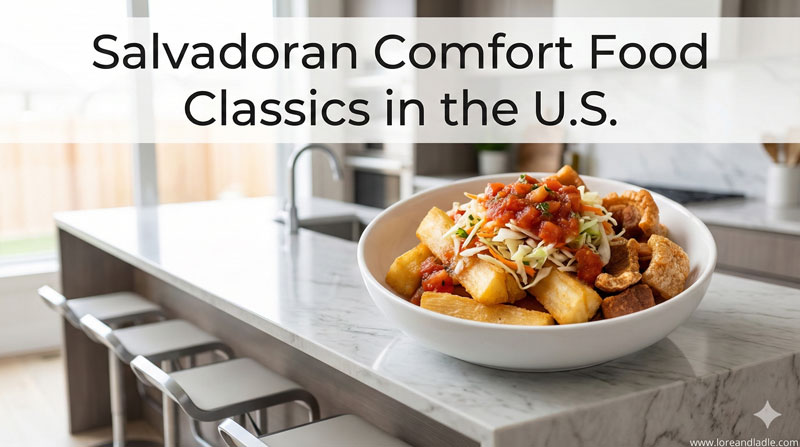
Introduction: Discover Pupusa and Yuca Frita Comfort Food Plates Loved Across the U.S.
This article invites you to savor pupusa and yuca frita as a duo that brings warmth to the table. The plates are beloved for their comforting textures, bright flavors, and friendly presence in homes and eateries. They celebrate simple ingredients turned into something joyful, practical, and endlessly shareable. Read on to discover how these dishes hold cultural value and culinary significance in American kitchens and communities.
The Heart of Pupusas: Masa, Fillings, and Craft
Pupusas start with masa, a dough made from ground corn. The dough is mixed with water and a touch of salt until it feels supple. Then you shape discs, fill them, and seal the edges. The fillings vary, offering a range of flavors that speak to home cooking and regional pride. Common choices include melty cheese, refried beans, and pork. In many kitchens, there is room for personal touches—airy cheese blends, soft beans, or a hint of herbs.
The craft lies in balance. A pupusa should be sturdy enough to hold a forgiving amount of filling, yet tender enough to bite through with ease. A flat press or a gentle hand press helps achieve a round, even shape. Cooking on a hot griddle, known as a comal, creates a light crust while preserving a chewy interior. The result is a comforting bite with a quiet snap, a texture that invites you to take another, then another.
Culturally, pupusas are a shared canvas. Families pass along simple tricks—how much salt to add, how thick the disc should be, how long to rest the dough. Each household has its preferred fillings, and those preferences can reflect seasonality, local ingredients, or family memory. The act of preparing pupusas becomes a small ceremony of care, patience, and togetherness.
Yuca Frita: Crisp Roots and Gentle Earthiness
Yuca frita begins with yuca, a sturdy root with a subtle sweetness and a dense, starchy bite. The root is peeled, cut, and boiled to tenderness. Once soft, it is cooled briefly, then fried to a crisp exterior. The result is a golden outside with a soft, comforting center. The aroma is inviting, a reminder of cozy meals shared with friends and family.
Yuca frita is often enjoyed plain, salted lightly, or dipped into a bright salsa. It also pairs beautifully with pupusas on a single plate, offering a crunchy contrast to the tender filling inside. The root’s earthy notes bring balance to the plate, and the crisp edges give a satisfying texture that lingers on the palate.
In many kitchens, yuca frita is part of a broader repertoire of fried snacks that honor local produce and practical cooking. The method honors minimal waste and thoughtful preparation, turning a humble ingredient into a friendly crowd-pleaser. The result is a comforting staple that travels well from home dinners to festive gatherings.
A Harmonious Plate: Texture, Flavor, and Serving Traditions
Pairing pupusa with yuca frita creates a comforting plate that pleases many senses at once. The chewy interior of the pupusa contrasts with the crisp, creamy bite of the yuca frita. Add a tangy curtido—the pickled cabbage slaw—and the combination becomes bright, refreshing, and balanced. A dollop of salsa or a tangy dipping sauce can lift the flavors without masking them.
The plate often arrives warm and inviting, with aromas that speak of home cooking and care. Each bite presents a chorus of textures and tastes: savory cheese and pork within the pupusa, soft starchy notes from the yuca, and the crisp bite of fried edges. The result is a comforting experience that respects traditional techniques while welcoming variation.
This harmony reflects a broader culinary value: it shows how simple components can come together to create depth and satisfaction. The dish invites sharing, conversation, and appreciation for manual skill—every piece contributing to a larger, comforting whole.
Cultural Value in American Kitchens: Shared Traditions and Everyday Joy
Across the United States, pupusa and yuca frita find homes in Family Dinners, weekend meals, and community gatherings. They are approachable for home cooks, with straightforward techniques that yield dependable results. In many households, preparing these dishes becomes a ritual that reinforces family bonds, offers a sense of place, and fosters joy around the table.
The cultural value shines in the way the dishes adapt to local tastes without losing their essence. Home cooks and chefs experiment with fillings, sauces, and accompaniments to reflect regional preferences while preserving the core idea: a comforting plate built from honest ingredients and careful craft. The result is a flexible dish that travels well through neighborhoods, markets, and kitchen counters, spreading a sense of warmth and welcome.
Regional Adaptations Across the U.S.: A Tapestry of Local Flavors
In diverse American communities, pupusas and yuca frita appear in many settings—from street corners to family-owned restaurants. California kitchens might highlight fresh cheeses and herb-forward fillings, while Texas menus blend spicy touches with hearty meats. New York and New Jersey kitchens often bring bright curtido with a tangy kick, alongside variations that suit urban diners and apartment cooking.
Along the Southeast, cooks may lean into milder fillings and crisp, golden yuca frita, pairing them with sauces that complement local spice preferences. In the Midwest, home cooks often emphasize consistent textures and easy-to-find ingredients, focusing on accessibility and reliability. Across all regions, the plates serve as a bridge between tradition and everyday tasting menus, inviting people to try, adapt, and enjoy.
Craft, Skill, and Shared Moments: The Beauty of Technique
The beauty of these dishes lies in the craft—the careful choice of masa, the technique of filling, the timing of frying, and the plating that invites sharing. Pupusa-making calls for steady hands and patience; yuca frita requires precise boiling and crisp frying. When families gather to prepare them, memories form around the kitchen island, the stove, and a shared plate.
This shared labor is part of the cultural value. It demonstrates how skill is passed along, how little tips—and a steady rhythm—can transform simple steps into satisfying results. The result is not only food but a small ceremony of care that strengthens bonds and invites newcomers to participate.
Tips for Enjoying and Creating at Home
- Start with quality masa and fresh fillings for best flavor.
- Use a flat press or a heavy pan to shape pupusas evenly.
- Boil yuca until tender, then fry to achieve a crisp exterior.
- Serve with curtido and a bright salsa to brighten the plate.
- Experiment with fillings and dipping options to discover personal favorites.
Conclusion: A Comfort Food That Welcomes and Delights
Pupusa and yuca frita offer a welcoming doorway to a rich tradition of simple, satisfying cooking. They celebrate texture, balance, and community on a single plate. Whether shared at a family table, enjoyed at a neighborhood market, or prepared during a quiet night at Home, these dishes bring a sense of place, warmth, and care. They remind us that good food can be both humble and deeply meaningful, inviting everyone to slow down, savor, and connect through the joy of cooking and eating together.