
A Warm Welcome to a Comfort Food Favorite
Comfort Food Cravings: pupusa and yuca frita comfort food plates You’ll Want Again and Again invites you to explore a pairing that feels like a hug from the kitchen. This duo blends simple ingredients with careful technique to create something memorable. It speaks softly of community, skill, and daily joy. In every bite, you sense a cultural thread that ties family meals, street vendors, and home kitchens into one satisfying plate.
What Are Pupusas and Yuca Frita?
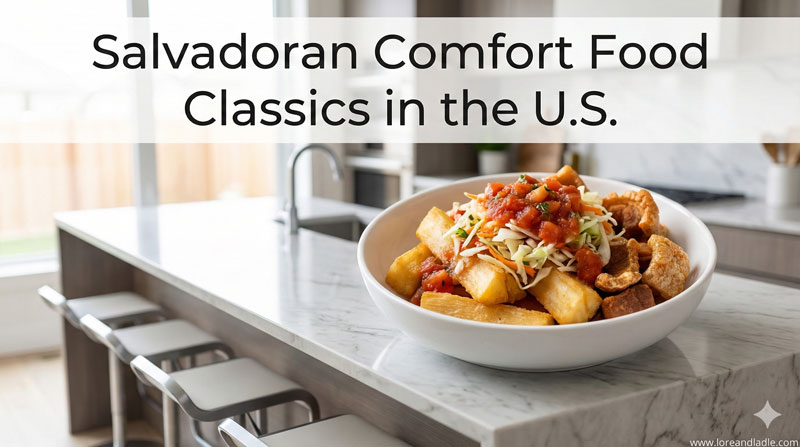
Pupusas are thick corn tortillas stuffed with cheese, beans, or pork. They cook on a hot surface until the outside develops a gentle crisp while the filling stays soft and melted. Yuca frita are crisp-tried cassava bites. They arrive hot, toasted on the outside and smooth inside. When served together, pupusas offer warmth and ooze, while yuca frita provides a crunchy counterpoint. The plate comes with curtido, a tangy cabbage slaw, and a bright salsa. The flavors are distinct, yet they harmonize beautifully.
The Craft of Pupusa Making
Crafting a pupusa starts with masa dough. The dough should be smooth, pliable, and lightly salted. Chefs press it into a round, then add a filling before sealing the edges. The secret? Resting the dough briefly helps the flavors mingle and the filling to stay centered. Heat a flat griddle or comal, then cook the pupusas until both sides glow with color. The result is a soft center that yields to a gentle bite. Regional fillings vary, but cheese and refried beans remain classics. This shared technique connects cooks across kitchens and generations.
The Crisp Beauty of Yuca Frita
Yuca frita celebrates cassava’s satisfying starch. Cassava is peeled, chopped, and boiled until tender. A second fry makes the exterior crisp while keeping the inside tender. The aroma, nutty and warm, fills the air as plates come together. People dip the pieces into a simple sauce or enjoy them with the same curtido that accompanies pupusas. The pairing highlights how textures can play off each other—soft centers, crackly edges, and bright toppings.
A Plate That Feels Like Home: Cultural Significance
This dish speaks to daily life and shared meals. Vendors with hot griddles, family kitchens, and festive gatherings all honor it. Pupusas are a beloved staple in street markets and Family Dinners alike. Yuca frita complements the plate with its sturdy bite and comforting crunch. Together, they form a representation of hospitality: a plate offered warmly, meant to be shared. The ritual of making and eating these foods reinforces care, skill, and a sense of belonging around the table.
Taste and Texture: Why This Pair Works
The pupusa brings a creamy, melty center, a gentle resistance from the crust, and a comforting softness that invites another bite. The yuca frita adds crispness, a slight sweetness, and a satisfying chew. Curtido introduces acidity to brighten the plate, while the salsa adds a vinegary kick and spice. The combination creates a balance of soft and crisp, warm and tangy, hearty and fresh. It’s a well-rounded experience that respects traditional flavors while inviting new tasters to discover them.
How to Enjoy It: Tips for Home Cooks
- Start with good masa dough. If you’re using dried masa harina, mix with warm water and a pinch of salt until it holds together.
- Keep fillings simple at first. Cheese alone or cheese with beans makes a classic pupusa.
- Press evenly for uniform thickness. A tortilla press helps, but you can also roll gently with a heavy bottle.
- Fry pupusas on medium heat until the crust is golden. Do not rush; the center should warm through slowly.
- For yuca frita, boil cassava until tender, then dry well before a double fry. A hot oil bath ensures crisp edges.
- Serve with curtido and a bright salsa. Fresh toppings lift the flavors and invite seconds.
- Pair with a light beverage, like a citrus agua fresca, which cleans the palate between bites.
Regional Flavor Map
Across regions, small differences color the dish. Some cooks tuck a peppers’ heat into the pupusa filling. Others favor a cheesy, stretchy center with a hint of smoky pork. The curtido can lean tangy, slightly sweet, or peppery depending on the recipe. These variations show how a single plate can reflect many kitchen personalities. The shared method and common ingredients keep the essence intact while celebrating local twists. This adaptability is a mark of culinary value: a dish that welcomes change yet remains recognizably itself.
Closing Thoughts: A Plate to Return To
Pupusa and yuca frita form a comfort plate that feels both timeless and welcoming. The dish invites curiosity about technique, ingredients, and the joy of sharing food. It stands as a reminder that good cooking honors simple staples—corn, cassava, cabbage, and a few bright condiments—yet creates something memorable. For lovers of wholesome, flavorful meals, this pairing signals a return to the table where warmth, texture, and care come together in one satisfying bite. You’ll want to return again and again.