
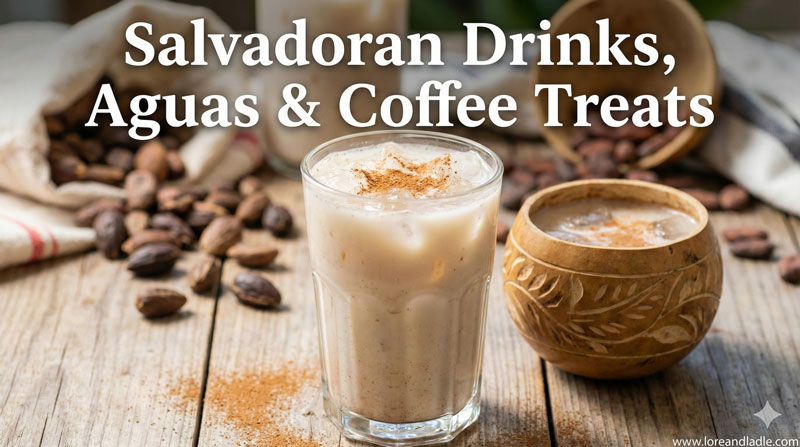
Blended fruit licuados with Salvadoran flavors: The Salvadoran Drink Winning Over Coffee Lovers
Introduction
This drink showcases how simple ingredients can become a celebration of culture. Blended fruit licuados with Salvadoran flavors are creamy, bright, and inviting. They tell a story of fresh markets, family kitchens, and the rhythm of daily life in El Salvador. The drink appeals to many palettes, including coffee lovers who seek a refreshing, fruit-forward alternative that still feels comforting and familiar.
What makes Salvadoran licuados unique
Salvadoran licuados stand apart through their use of ripe, locally grown fruit and a soft, creamy texture. The fruit is blended with milk or water and ice, sometimes a touch of sugar, and always with care for balance. The result Is a drink that feels both indulgent and light, a testament to the patience of choosing the right fruit at peak sweetness. This combination creates a harmony where natural fruit brightness shines, while the creaminess rounds the finish.
Core flavors and ingredients
The heart of these licuados lies in the fruit. Mango, papaya, pineapple, and guava provide tropical depth, while tamarind adds a tangy note that keeps the drink lively. Hibiscus, known as flor de Jamaica, can lend a floral tartness when used as a subtle infusion. A splash of lime or citrus can lift the flavors and echo the bright acidity found in Salvadoran desserts and beverages. Milk or a dairy-free alternative adds creaminess, while ice gives a smooth, drinkable chill. The result is a versatile canvas: fruit-forward, lightly sweet, and naturally refreshing.
Texture, technique, and accessibility
Blending is the key technique. A quick blend with ice creates a velvety body without heaviness. The texture invites slow sipping, allowing each fruit character to come forward. Because ingredients are often locally available, these licuados are accessible year-round. They adapt easily to different kitchens—home cooks can mirror street-style blends or craft more refined versions in cafes. The emphasis on simple, high-quality components makes the drink approachable for beginners and delightful for seasoned tasters.
Cultural value in daily life
In Salvadoran life, licuados are more than a treat; they are a social companion. They appear at market stalls, street corners, and family gatherings, offering a moment of joy in everyday routines. Children often enjoy licuados after school, while adults reach for them as a cooling break on hot days. The drink embodies hospitality: a generous beaker offered to guests, a shared moment that invites conversation and smiles. This warmth and practicality anchor the licuado in the texture of daily culture, making it a familiar staple in homes and public spaces alike.
Licuados in cafes and markets
Cafes and markets across El Salvador highlight licuados as a bridge between home cooking and urban flavors. In a cafe setting, a licuado can stand alongside coffee with its own voice—smooth, fruity, and aromatic—yet distinctly lighter in body. At markets, vendors offer rotating fruit blends, inviting customers to choose their preferred combination. This flexibility mirrors the country’s culinary curiosity: a welcoming space where tradition and experimentation meet.
A celebration of hospitality and community
The Salvadoran licuado celebrates community through its shared preparation and enjoyment. Families pass down preferred blends, noting which fruits balance best with milk or with a citrus kiss. Friends gather around a cooler on a warm afternoon, passing cups and stories in equal measure. This social facet elevates the drink beyond taste, turning it into an edible expression of Salvadoran warmth and generosity.
How to savor and share
To honor the culture, start with ripe fruits and a choice of dairy or dairy-free base. Blend with ice until smooth, then adjust sweetness and acidity to taste. Serve in chilled glasses, with a straw that invites a slow, savoring sip. Pairing notes include bright fruit with creamy undertones, a contrast that echoes Salvadoran desserts and savors. Sharing a licuado can become a small ceremony—an invitation to pause, enjoy, and connect.
The cultural significance for coffee lovers
For coffee enthusiasts, these licuados offer a refreshing, fruity counterpoint to the roasted intensity of coffee. They provide a cool, creamy experience that complements a warm cup, or a lively, caffeine-free option during hot days. The appeal lies in balance: the natural sweetness of fruit, the creaminess of the base, and the clean finish from citrus touches or ice. In that balance, coffee lovers can discover a new way to enjoy a familiar ritual—whether as a morning companion, an afternoon break, or a dessert-like refreshment after a meal.
Regional variations and fruit seasons
Fruit availability shapes regional variations. Coastal towns might lean toward pineapple and coconut notes, while highland areas celebrate mango, papaya, and guava in peak season. Tamarind brings a crave-able tang in many versions, and hibiscus can appear as a bright, floral accent. These variations reflect the local harvests and tastes, making each licuado a personal signature of place and moment.
A simple invitation to explore
If you wish to experience this Salvadoran delight at Home, start with a few ripe fruits you love, add milk or a plant-based alternative, blend with ice, and taste. Adjust with a squeeze of lime or a dash of tamarind for brightness. The play of flavors and textures invites experimentation, while the core idea remains rooted in simplicity, seasonality, and sharing.
Conclusion
Blended fruit licuados with Salvadoran flavors stand as a vivid example of culinary craft rooted in everyday life. They blend tradition with freshness, hospitality with personal taste, and fruit-forward brightness with creamy comfort. The Salvadoran drink winning over coffee lovers speaks to a universal appeal: food that is generous, refreshing, and deeply connected to how people live, share, and celebrate together.