
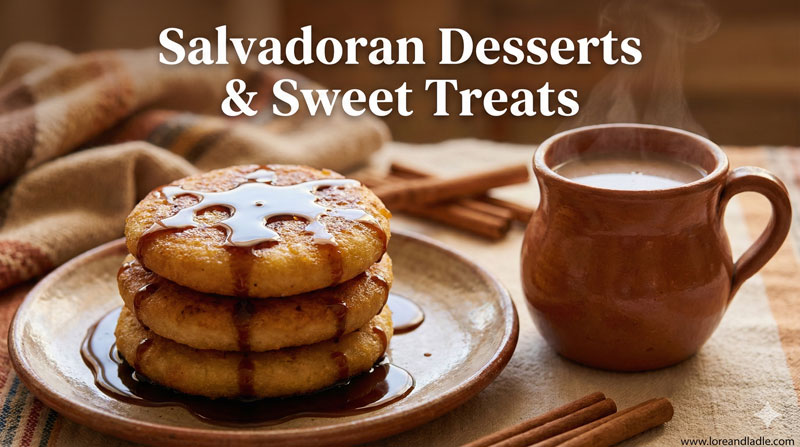
The Ultimate Guide to Salvadoran semita dulce sweet bread for Dessert Lovers
Welcome to a warm, inviting look at semita dulce from El Salvador. This bread holds a special place for dessert lovers who seek comforting sweetness and thoughtful craft. Here, we explore its cultural value and culinary significance with care and enthusiasm.
The heart of semita dulce
Semita dulce is more than a pastry. It Is a symbol of shared moments, a treat that travels from kitchen to table with family and friends. In Salvadoran homes, this bread often graces breakfast tables, tea breaks, and festive gatherings. Its gentle aroma invites conversation and slows the pace for a moment of pleasure. Dessert lovers discover in semita dulce a bridge between daily life and celebrations. The bread embodies everyday hospitality and the quiet artistry of home baking.
The dough: ingredients and technique
The dough starts with enriched ingredients. Typically, you’ll find flour, eggs, milk, sugar, and a touch of butter or lard. These elements bring softness and fragrance. Yeast is the gentle heartbeat that helps the dough rise, giving it a tender crumb. To keep the texture light, bakers often add a hint of vanilla or orange zest. The kneading process builds gluten and warmth, shaping the bread’s final structure. After kneading, the dough rests, then is shaped into rounds. A second rise completes the preparation before bake time. The result is a bread with a delicate, moist interior and a slightly glossy crust.
Fillings and toppings
Semita dulce shines through its fillings and toppings. Many versions feature a sweet fruit jam, such as pineapple, spread between layers or tucked inside the center. Other delights include dulce de leche or a soft caramel center. Some bakers fold in raisins or candied fruit for texture and color. The surface may receive a light brush of butter and a sprinkle of sugar or sesame seeds. These touches add aroma and a gentle crunch. Each bite reveals a balance between sweetness, richness, and the bread’s natural softness, a harmony beloved by dessert lovers.
Cultural moments where semita dulce shines
In Salvadoran culture, semita dulce is a trusted companion for daily rituals and special occasions. It appears during family gatherings, weekend mornings, and coffee rituals. The bread embodies invitation and care, signaling that guests are welcome. Sharing semita dulce reinforces a sense of belonging and warmth. Its presence at celebrations highlights the care that goes into home baking and the joy of sharing something crafted with patience. The bread becomes a small celebration in itself, inviting reflection on the simple pleasures of good company and a quiet moment of sweetness.
Flavor and texture profile
Expect a soft, springy crumb with a gentle, creamy sweetness. The aroma blends butter, vanilla, and citrus, lifting the senses before the first bite. The crust offers a light contrast—slightly crisp, pleasantly chewy, never heavy. The overall experience is comforting and refined, appealing to dessert lovers who savor texture as much as taste. Freshness matters: a warm slice feels especially inviting, while a cooled piece reveals the bread’s lasting tenderness.
Making semita dulce at home: steps and tips
Home bakers can bring this dessert’s magic into their own kitchens. Start with room-temperature ingredients for consistent mixing. Use fresh yeast or a reliable instant-yeast blend. Hydrate the yeast in warm milk with a touch of sugar, then blend with flour, eggs, butter, and flavorings. Knead until the dough is smooth and elastic. Allow generous resting time for a soft crumb. Shape into rounds and let them rise again. Bake until the crust is lightly golden and the interior is airy. For fillings, prepare a smooth jam or a creamy complement that complements the bread’s sweetness. Finish with a gentle glaze or a final dusting of sugar if desired. This careful approach yields a loaf that feels personal and well crafted.
Regional twists and variations in El Salvador
Different towns offer their own nuances. Some versions emphasize a citrus note from orange zest, while others highlight a subtle spice such as anise. Fillings vary from bright fruit jams to creamy centers, each producing a distinct aroma and character. Seasonal variations appear around holidays, infusing the bread with memories of festive days. Despite these differences, semita dulce maintains its essence: a soft, comforting bread that brings people together and invites conversation over a shared bite.
Serving ideas and pairings
Semita dulce pairs beautifully with hot beverages. Enjoy it with a cup of coffee or a mug of cocoa to highlight its gentle sweetness. It also works well with tea for a lighter pairing. For a complete dessert moment, serve a warm slice with a small dollop of whipped cream or a fruit compote on the side. The bread’s comforting profile makes it a flexible star at breakfast, dessert, or afternoon gatherings.
Preservation and longevity
Store semita dulce in a breathable container at room temperature for a couple of days. For longer life, refrigerate or freeze in portions, wrapping well to protect from drying. When reheating, a brief warm toast or microwave break brings back its softness and aroma. Proper storage keeps the bread tender and fragrant for several days, preserving its comforting character.
A closing note on its cultural value
Semita dulce stands as a quiet ambassador of Salvadoran taste and tradition. It embodies hospitality, care, and the joy of sharing something made with attention. For dessert lovers, the bread offers a connection to everyday life and festive moments alike. By appreciating semita dulce, you celebrate a beloved piece of Salvadoran culinary culture and the artistry of simple, satisfying sweetness.
If you are curious about exploring this dessert further, seek out local bakeries or family recipes that emphasize fresh ingredients and careful technique. You will discover how a humble loaf can carry warmth, memory, and beauty in every bite.