
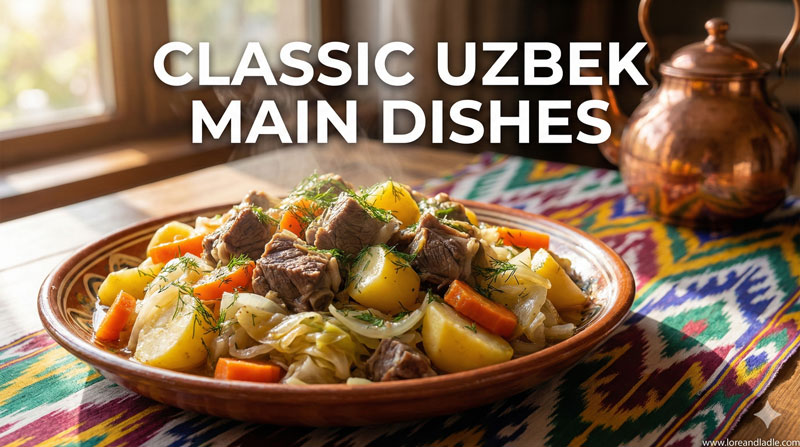
Traditional Palov – Classic Uzbekistani Main Dishes Flavor You’ll Love
Palov, the traditional Uzbek dish, embodies the warmth and rhythm of daily life. It is more than a meal; it is a story told in grains, spice, and hue. The aroma fills kitchens and markets, inviting friends and family to gather. This dish celebrates craft, patience, and shared moments around the table.
The Heart of Uzbek Hospitality
In Uzbek culture, Palov stands as a symbol of hospitality. Hosts welcome guests with care, preparing a pot that gathers people from near and far. The act of cooking becomes a gesture of welcome, respect, and generosity. Palov brings generations together, turning cooking into a communal ritual. Each bite carries the memory of feasts shared at weddings, harvests, and seasonal celebrations. The dish invites conversation, laughter, and quiet gratitude for good food and good company.
Core Ingredients and Craft
Palov relies on a few simple, honest ingredients prepared with attention. Long-grain rice provides a tender, fluffy texture when cooked well. Onions brown slowly, releasing sweetness that anchors the dish. Carrots, cut into thin sticks, introduce color and a gentle sweetness. Meat—often mutton or beef—furnishes depth and savor. Salt and whole spices like cumin threads through the pot, weaving warmth into every layer.
The technique matters as much as the ingredients. The dish starts with a hot, well-oiled base where onions sizzle to a caramel hue. Meat follows, developing a rich fond. Carrots then join, releasing their aroma as they soften. Rice is added, often rinsed and drained, and water is poured carefully to steam the grains to tenderness. A crisp, golden crust may form on the bottom, a cherished phenomenon that adds texture and depth. Throughout, the timing and heat balance the oil, vegetables, and grains into a cohesive, fragrant whole.
The Cooking Method: From Fire to Flavor
Traditionally, Palov is cooked in a wide, deep pot over steady flame. The process rewards patience and focus. First, you heat oil until it shimmers, then fry onions until they glow. Next, you sear the meat to lock in juices. Carrots follow, absorbing the flavors from the pot. After that, rice goes in, layered with careful precision. Water or broth is added, and the pot rests to let the grains steam into softness rather than boil away. As the journey finishes, the kitchen fills with a savory perfume that signals readiness. The result is a harmonious balance of textures: tender meat, silky rice, and crisp edges at the bottom.
Regional Variations and Shared Traditions
Across Uzbekistan, Palov reflects local tastes and landscapes. In Samarkand, cooks may favor a slightly sweeter note from carrots and a pronounced aroma from cumin. In Bukhara, the technique emphasizes a deeper crust and a robust meat presence. In other regions, cooks experiment with garlic tucked in the center or a touch of dried fruits for contrast. Yet, across these variations, the dish remains a unifying thread—a traditional method that honors careful preparation and shared meals. The consistent idea is simple: good Palov is the reward of quiet focus, generous portions, and a night well spent around the fire.
Serving Palov with Style: Hospitality and Rituals
When Palov arrives at the table, it is typically shared from the pot, with friends reaching for warm bread and fresh salads. Non bread and a cup of tea accompany the pot, enriching the experience with texture and contrast. Rituals around serving emphasize balance—scooping portions so everyone receives a fair share, then passing the pot to the next guest with a nod of thanks. The practice reinforces respect for cooks, guests, and the communal feast. Palov thus becomes a social thread, weaving together nourishment, conversation, and gratitude.
Palov in Modern Uzbek Dining
Today, Palov appears in both home kitchens and contemporary eateries. Chefs celebrate its heritage while exploring subtle modern twists. Some restaurants present Palov with precise plating, while home cooks keep the pot simmering on a quiet afternoon. Regardless of setting, the dish invites appreciation for technique, timing, and the generosity it embodies. Modern interpretations still honor the core values: simplicity, balance, and the shared pleasure of a meal that nourishes body and spirit.
A Timeless Flavor of Culture
Tradition, craft, and community converge in Palov. The dish teaches patience, invites conversation, and honors the skill of cooks who bring long-held methods to life. Each bite honors the harvest, the kitchens that fed families, and the gatherings that formed memories. Palov is a flavorful bridge between generations, reminding us how food can carry culture forward with grace and warmth. It stands as a celebratory staple, beloved for its aroma, texture, and the sense of welcome it creates.
If you crave a dish that speaks softly yet proudly of Uzbek culinary artistry, Palov offers a rich, inviting experience. Its beauty lies in the balance of simple ingredients, the quiet discipline of its technique, and the communal joy it inspires. Taste it, and you taste a culture that values family, hospitality, and the artistry of traditional cooking.