
Discovering Classic Qazi
Classic Qazi – Uzbekistani Rice & Pilaf Specialties Flavor You’ll Love is more than a dish. It is a gentle invitation into the heart of Uzbek dining. The recipe blends precise technique with generous hospitality, inviting family and friends to gather around the table. The aroma rises first, then the senses follow: a balance of meat, rice, and fragrant spices that speaks of careful craft and shared meals. This dish embodies a culture where food marks moments, honors guests, and carries memory from one home to the next. In short, Classic Qazi is a celebration of everyday life and timeless taste.
The Core Ingredients
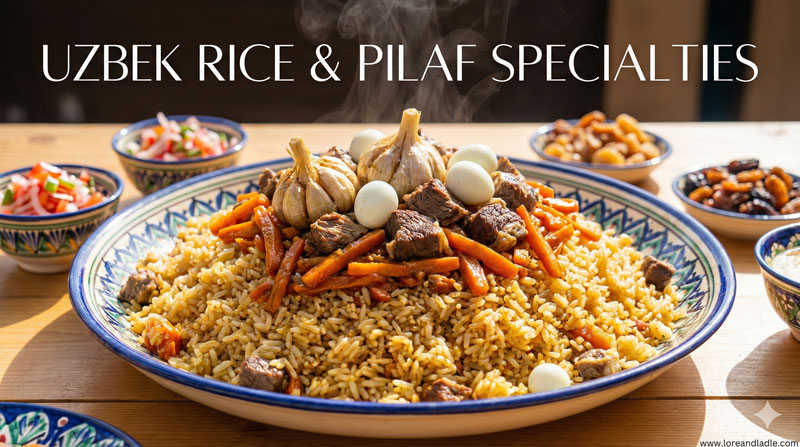
At the center of Classic Qazi are a few trusted ingredients prepared with care. Long-grain rice acts as a delicate canvas. Tender meat, usually mutton or beef, provides depth and warmth. Onions offer sweetness as they caramelize, while carrots add color, texture, and a savory sweetness all their own. Olive or vegetable oil helps release flavors, while spices such as cumin and coriander give a gentle, earthy bouquet. Some cooks add garlic for a subtle bite, and a touch of bay leaf or black pepper heightens the aroma. If available, a handful of dried apricots or raisins brings a note of sweetness that brightens the dish. Each ingredient plays a role, and together they create a harmonious profile that is at once comforting and refined.
The Art of Uzbek Rice Pilaf
The technique behind this pilaf-like dish is a study in balance. First, the meat is seared to release its rich flavors. Next, onions soften and fade into the pan, followed by the carrots, which become sweet ribbons of color. The rice is rinsed until the water runs clear, then added to the pot with just enough broth to begin its quiet steam. The key is layering and patience: the grains absorb moisture slowly while remaining distinct, and the aromas rise in steady waves. A kazan, a wide, heavy pot, often serves as the traditional stage for the cooking, allowing heat to circle evenly and produce that characteristic glossy finish. The result is rice that is fluffy and separate, meat that is tender, and vegetables that retain their bite. The dish finishes with a resting moment, letting flavors settle and the grains firm up for easy serving.
Cultural Value and Hospitality
In Uzbek homes, food is a bridge between people. Classic Qazi becomes a focal point when guests arrive or when families gather after a day’s work. Sharing a bowl or a plate of pilaf signals welcome, care, and mutual respect. Recipes are preserved in family memory, passed down with notes about timing, ratios, and the small adjustments that make each cook’s version unique. The dish also travels through markets and community celebrations, where cooks showcase their skill and generosity. In this way, Classic Qazi serves as a thread linking generations, a practical craft that also honors tradition. It fosters conversation, laughter, and gratitude, turning a meal into a meaningful moment.
Flavor, Texture, and Aroma
Taste is the guiding compass of Classic Qazi. The meat provides a warm, savory foundation, while the onions contribute sweetness and depth. Carrots deliver a gentle sweetness and a vibrant color that pleases the eye as well as the palate. The spices offer a toasty, earthy fragrance that lingers in the air and on the tongue. The rice grains, light and separate, carry the seasoning without becoming heavy. The overall effect is balanced comfort: familiar, approachable, and deeply satisfying. The aroma alone tells a story of careful preparation and a kitchen where time is a friend, not a rival. Each bite reveals layers that invite you to chew slowly and savor the moment.
Serving Traditions and Pairings
Classic Qazi is best enjoyed in a setting that welcomes conversation and sharing. Serve the pilaf in a broad, shallow dish or in warmed bowls, with fresh herbs and a side of rustic bread such as non. A simple tomato-onion salad can brighten the palate between bites. Tea often accompanies the meal, offering a calm companion to the lingering spices. For many, the dish stands on its own, yet it can be complemented by light vegetables or a yogurt-based sauce to add a cool contrast. The serving style emphasizes generosity: a generous portion for each guest, a chance to pause, and a moment to express appreciation for the cook and the company.
The Place of Qazi in Uzbek Culinary Identity
Classic Qazi sits comfortably within Uzbek culinary identity as a testament to regional skill and shared taste. It reflects a tradition that values precise technique, seasonal ingredients, and a measured approach to spice. The name itself carries a sense of history and craft, inviting cooks to honor both memory and present-day dining. This dish shows how a local recipe can become a beloved emblem of hospitality, offering a flavorful doorway into a culture that takes pride in its food, its families, and its everyday rituals. By presenting a balanced, accessible flavor, Classic Qazi helps people connect with Uzbek cuisine in a direct and memorable way.
Cooking Tips for Home Cooks
To bring Classic Qazi to your kitchen with confidence, start with quality ingredients. Rinse long-grain rice until the rinse water runs clear, then let it drain well. If possible, soak the rice briefly to relax the grains. Use a heavy pot or a kazan for even heat distribution. Brown the meat to develop depth, then soften onions until they turn gold. Add carrots and spices, and let their aromas bloom before layering the rice and stock. Use just enough liquid to begin steaming, and resist the urge to stir vigorously once the rice begins to cook. Allow the dish to rest after cooking so flavors settle and the grains finish absorbing moisture. Adjust salt to taste, keeping in mind that the stock or broth can contribute salt as well. With patience and attention, you will enjoy a dish that feels both timeless and easy to share.
A Warm Invitation to Taste
If you are curious about a dish that celebrates craft, family, and community, Classic Qazi offers a welcoming path. Its careful balance of textures and flavors invites you to explore and savor. By preparing it at Home or sharing it with guests, you participate in a living tradition that honors cooking as a daily act of care. The result is more than nourishment; it is a doorway to cultural appreciation, a reason to gather, and a moment to reflect on the simple pleasure of a well-made plate of rice, meat, and spices. Enjoy the beauty of Classic Qazi, and discover the culinary significance it holds for Uzbek cuisine and beyond.