
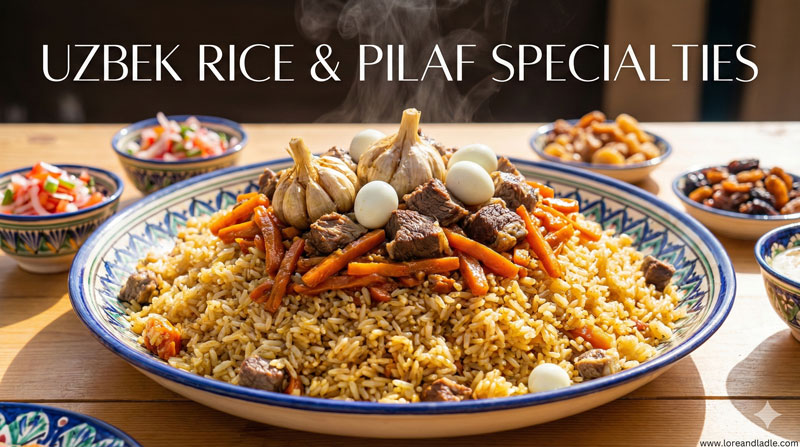
Welcome to Easy Homemade Non Bread – Uzbekistani Rice & Pilaf Specialties Flavor You’ll Love
Welcome to a friendly guide to a beloved table staple. Easy Homemade Non Bread – Uzbekistani Rice & Pilaf Specialties Flavor You’ll Love invites you to meet a round, fragrant bread that sits at the center of Uzbek meals. This bread, called non, accompanies fluffy plov or rice pilaf and adds warmth to gatherings. The dish blends simple ingredients with a deep cultural memory. If you love comforting hearth bread and savory rice dishes, you will feel at Home with this combination.
The Heart of Uzbek Meals: Non and Pilaf Together
In Uzbek kitchens, non and pilaf share a long, generous partnership. Pilaf is more than a dish; it is a celebration of aroma, texture, and balance. The bread is its perfect partner. The soft interior invites bites of savory rice, vegetables, and spices. The crisp crust offers a satisfying contrast. Together, they create a meal that feels crafted for conversation, hospitality, and shared smiles. This harmony is a clear sign of Uzbek culinary artistry, where each element supports the other and the table becomes a place for warmth and welcome.
How Easy Homemade Non Bread Comes to Life
The journey from simple dough to a round loaf is a quiet act of care. The dough uses flour, water, salt, and a pinch of yeast or levain to awaken flavor. Kneading smooths the mix and builds gluten to hold a gentle rise. The dough rests, releasing steam and softening the crumb. When ready, it is shaped into a round disk with a raised edge and a gentle crown on top. A decorative touch—patterns pressed in or sesame seeds sprinkled—speaks to tradition and pride. Then it bakes until the crust turns a warm, honey-gold and the aroma fills the room.
If you lack a traditional clay oven, a hot oven or a baking stone still yields a wonderfully crisp crust and a tender interior. The key is steady heat and a short, final blast of high heat to form that inviting crackly crust. The result is a bread that looks as comforting as it tastes.
Cultural Threads: Hospitality, Family, and the Table
Bread holds a special place in Uzbek culture. It is a symbol of hospitality, care, and shared abundance. When guests arrive, bread is often the first offering—warm, fragrant, and ready to welcome. The act of sharing non signals a wish for good fortune and companionship. Families bake non together on weekends or for festive meals, passing the dough, the kneading, and the storytelling from one generation to the next. This ritual of making and sharing ties people to memory and place.
Non also appears in daily life as a dependable anchor at meals. It helps balance the rich flavors of pilaf, lentils, and vegetables. It invites conversations, laughter, and the rhythm of a meal that lingers just a little longer. In this way, the dish becomes a bridge between generations and a generous gesture to anyone at the table.
Regional Voices: Flavor, Shape, and Character
Uzbekistan’s many regions bring small differences to non. In some cities, the crust holds a deeper color and a pronounced sheen, while in others the loaf is a touch lighter. Patterns pressed into the top can reflect local motifs or family marks. Sesame seeds are a common touch, adding a gentle nutty note and a visual cue that the bread is crafted with care. Even the size can vary: some homes favor a broad, low disk; others prefer a taller crown. Yet the essence remains the same—a round loaf that gathers people around the plate.
These regional touches create a chorus of non across Uzbekistan. Each loaf tells a story of the kitchen, the baker, and the day’s ingredients. It is this quiet diversity that keeps the bread vibrant, inviting, and deeply comforting to those who know it.
Pairings and Seasonal Flavors: Plov, Rice, and Fresh Greens
Plov, the iconic Uzbek rice dish, often stars alongside non. Carrots, onions, garlic, cumin, and sometimes saffron perfume the rice, while the bread keeps the flavors centered and approachable. A slice of non crocks through the dish, catching bits of rice and vegetables with every bite. Fresh herbs, yogurt, or pickled vegetables brighten the plate and offer balance to the savory richness.
Seasonal variations can influence both pilaf and non. In summer, herbs like dill and cilantro lift the finish. In cooler months, heartier spices emerge, and a subtly toasted bread pairs with roasted vegetables. The pairing remains true to its purpose: it elevates the dining experience and invites a slow, enjoyable meal.
A Modern Kitchen: Making Non Easy, With Respect for Tradition
Today’s Home Cooks can celebrate this dish with confidence. A well-warmed oven, a sturdy baking sheet or stone, and a trusted dough recipe bring non to life without fuss. The method honors tradition while welcoming contemporary tools. Even busy cooks find time to bake a batch, share the loaf warm, and enjoy the table’s friendly energy.
If you want to introduce the dish to family and friends, start with a simple dough, rest it patiently, shape it with care, and bake. A few sesame seeds on top and a quick score or pattern add a finishing touch. Your kitchen becomes a place where old flavors meet new moments, and every slice carries a sense of Uzbek culinary craft.
Serving Rituals and the Joy of Sharing
Serving non is more than delivering food; it is inviting conversation and connection. Offering bread with both hands, presenting it with a smile, and placing it near the center of the table signals warmth and welcome. Guests are invited to tear a piece, dip it into a savory sauce, or savor it with pilaf. The act of sharing bread strengthens bonds, celebrates hospitality, and honors the care that goes into cooking. In this way, Easy Homemade Non Bread serves not only a meal but a memory in the making.
A Taste of Uzbek Heritage, Right in Your Kitchen
This dish embodies a cherished culinary heritage. It showcases how simple ingredients can become a vehicle for flavor, culture, and communal joy. The non bread acts as a guide rail for the pilaf’s aroma and texture, helping the table feel cohesive and alive. The combination invites everyone to slow down, listen to the sizzling pan, and savor the moment when bread meets rice.
Whether you are revisiting Uzbek flavors or discovering them for the first time, you will sense the care poured into this dish. The beauty lies in the balance—soft interior, crisp crust, fragrant rice, and a shared moment around the table. It is a reminder that food is a generous, everyday celebration of culture, craft, and community.
Conclusion: The Circular Beauty of Non in Uzbek Cuisine
The story of Easy Homemade Non Bread – Uzbekistani Rice & Pilaf Specialties Flavor You’ll Love ends where it began: at the table, where bread and pilaf come together to create warmth and welcome. This bread is more than nourishment; it is a cultural emblem of hospitality, family, and the art of slow, deliberate cooking. From the kneading to the final bite, non reflects patience, pride, and the joy of sharing. If you seek a dish that speaks softly of tradition while inviting modern kitchens to join the feast, you have found it here. Enjoy the circle of flavor, the texture of memory, and the simple pleasure of a well-made loaf beside a fragrant plate of pilaf.