
Introduction
Classic Chuchvara – Uzbekistani Rice & Pilaf Specialties Flavor You’ll Love introduces more than a dish; it opens a doorway into Uzbek culture. These delicate dumplings meet the fragrant drama of rice pilaf to create a meal that feels like a welcome, a memory, and a celebration all at once. The dish embodies careful craft, generous hospitality, and a reverence for seasonal ingredients. With each bite, you taste tradition in motion: soft wrappers, savory fillings, and the slow warmth of family kitchens.
Cultural Roots of Chuchvara
Chuchvara has long held a special place at Uzbek tables. In kitchens and communal kitchens alike, families practice this craft across generations. The process connects young cooks with elders, teaching patience, precision, and pride in small details. The dough becomes a quiet partner to the filling, and the act of sealing each dumpling becomes a ritual of care. This is food that speaks of welcome and shared effort, where the same dough can become many dumplings and each dumpling a tiny work of art. The resulting texture—thin, tender, and subtly chewy—praises the patience of the maker. In Uzbekistan, chuchvara is more than a snack; it Is a cultural gesture of generosity and thoughtfulness.
The Harmony of Chuchvara and Uzbek Plov
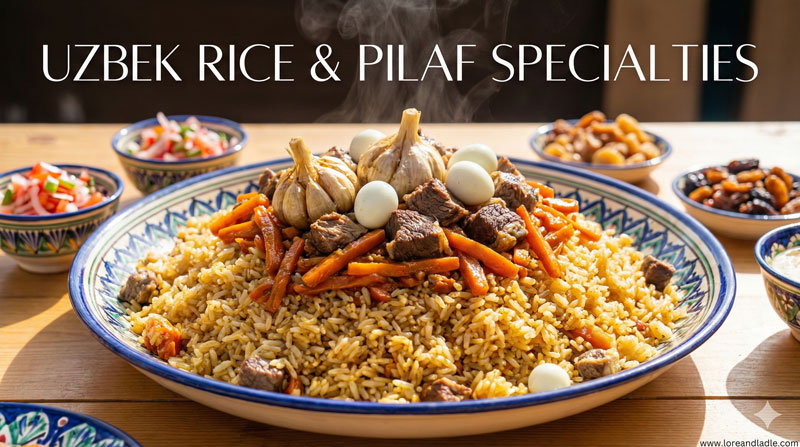
Uzbekistan’s rice pilaf, or plov, provides a bold counterpoint to the chuchvara. Plov brings sweetness from onions, savoriness from meat, and the fragrance of spices that sing through the grain. When these two elements meet on one table, they create balance: the dumplings offer a delicate bite that contrasts with the hearty, aromatic pilaf. The pairing is a celebration of texture and aroma, a reminder that culinary culture often thrives on complementary contrasts. Moreover, this union speaks to a practical rhythm of Uzbek meals, where a shared table becomes a stage for sensory harmony and social warmth.
The Craft of Making Chuchvara
The beauty of classic chuchvara lies in its technique. The dough requires only Simple Ingredients—flour, water, salt—yet the result depends on careful kneading and rolling. The goal is a thin sheet that nearly dissolves on the tongue. Filling options favor ground lamb or beef, finely chopped onions, and a chorus of herbs such as dill or parsley. The key is balance: enough meat to savor, enough onion to perfume, but not so much moisture that the wrapper can’t seal. Shaping is an exercise in precision, with the dumplings sealed tight to hold their shape during cooking. In serving, the dumplings can be presented in clear broth, or alongside the plov with a light, bright sauce for dipping. Each choice highlights the dumplings’ versatility and underscores the chef’s skill.
Regional Flair Across Uzbekistan
Uzbekistan’s regional variations add texture to this dish’s cultural narrative. In Samarkand, cooks may emphasize a slightly sweeter note from the onions and a touch of herbs that brighten the filling. Bukhara’s versions often lean toward a meat-forward profile, with a robust filling and a thinner wrap that lets the flavor of the meat shine. In Tashkent and other northern areas, you might find subtle differences in spice balance and the thickness of the dough. These regional accents show how a single dish can travel across landscapes while absorbing local character, much like a tapestry that grows richer with new threads.
Serving Traditions and Social Significance
Serving chuchvara is almost always a social act. Generations gather to roll, fill, and seal, transforming a kitchen into a lively space of conversation and shared laughter. The dumplings are commonly offered as a featured starter or a comforting main, especially when guests arrive with good spirits or when families gather for a weekend meal. The aroma from the simmering broth or the fragrant air around the plov invites conversation, gratitude, and a sense of belonging. This is food that invites participation, fosters connection, and turns dining into a ritual of hospitality.
A Culinary Heritage in Every Bite
Classic Chuchvara emphasizes fresh, high-quality ingredients. The dumplings showcase the craft of dough and the balance of a well-seasoned filling. Plov, with its long-grain rice, carrots, onions, and meat, provides the backbone for the meal’s aroma and texture. Together, they reveal a culinary heritage rooted in neighborhood markets, family kitchens, and festive celebrations. The dish also reflects a sustainable approach to ingredients: local meats when available, seasonal produce, and simple seasonings that let the main components stand out. This simplicity, paired with careful technique, makes the flavor both comforting and memorable.
Preserving the Beauty of Uzbek Cuisine
As you explore Classic Chuchvara, you encounter a living tradition that invites admiration and curiosity. The dish speaks of patience, skill, and a lasting respect for the ingredients and people who prepare it. It reminds us that food can be a gateway to culture, encouraging us to try new textures, fragrances, and combinations. The elegance of the dumplings, the depth of the pilaf, and the warmth of the shared table all together celebrate the beauty of Uzbek cuisine and its enduring appeal.
Conclusion
Classic Chuchvara – Uzbekistani Rice & Pilaf Specialties Flavor You’ll Love is more than a meal. It is a cultural expression—an invitation to savor the craft, the hospitality, and the regional flavors that make Uzbek cuisine beloved. When you taste the delicate dumplings beside the fragrant rice, you taste a story of community, artistry, and timeless tradition. Take the chance to share this dish with friends and family, and you will discover how food can carry culture with grace and joy.