
Easy Homemade Halva – Uzbekistani Rice & Pilaf Specialties Flavor You’ll Love
This post explores a beloved dish that travels through Uzbek kitchens with grace. Easy Homemade Halva blends the gentle sweetness of halva with the warm spices of Uzbek rice and pilaf traditions. It is more than a dessert; it is a cultural note, a story shared over tea, and a small ceremony in a busy day. The dish invites curiosity and invites everyone to savor a moment of hospitality.
Hospitality in Every Bite
In Uzbek households, welcoming guests is a cherished ritual. Halva arrives at the table as a sign of generosity and care. When a family or a friend visits, halva sweetens the air as conversations begin. This tiny act of serving halva alongside tea and pilaf helps people feel seen and valued. The flavor is familiar, yet it carries the memory of countless kitchens where smiles grow with each bite. In this way, halva becomes a quiet ambassador of Uzbek warmth.
The Soul and Shape of Halva in Uzbek Kitchens
Halva in this context is more than a recipe. It is a link between generations. Grandmothers pass down tips about toast level, the balance of nutty notes, and the timing of syrup. Mothers adapt the dish to household needs, while children learn to measure sweetness with care. The result is a dessert that carries family identity in its texture and aroma. The sensory appeal—soft, grainy, and luminous with saffron or pistachio—speaks to a culture that values harmony, patience, and shared ritual.
Ingredients and Craft: A Cultural Palette
A simple version centers on semolina or sesame-based halva, paired with a gentle syrup and fragrant spices. Typical elements include:
– Toasted semolina or sesame paste for a nutty base
– Butter or oil to carry aroma and keep the mixture tender
– Sugar or a light syrup to achieve a delicate sweetness
– Saffron or cardamom to evoke festive color and aroma
– Nuts or dried fruits as a graceful garnish
The process itself is a form of storytelling. Toasting releases a warm nut fragrance. Pouring a hot syrup and stirring slowly creates a soft, cohesive texture that glows in the bowl. Each step reflects a value: care, balance, and a respect for ingredients’ natural brightness. The result is a dessert that feels both simple and refined, making it suitable for everyday meals and special occasions alike.
Plov, Rice, and Halva: A Duo of Comfort
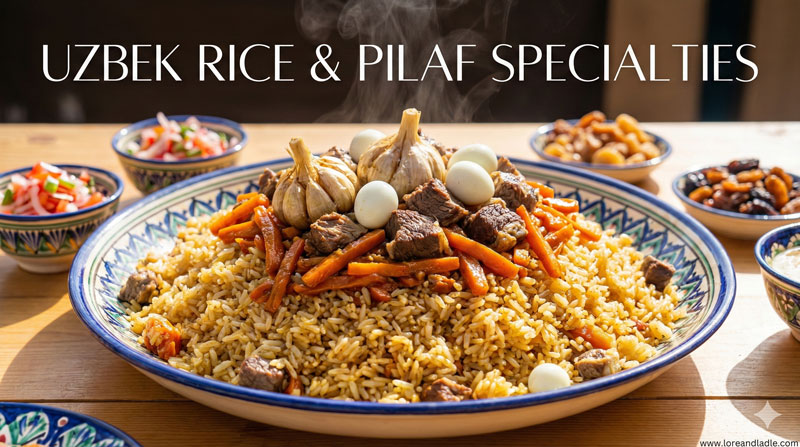
Pilaf (plov) is Uzbekistan’s iconic rice dish, and halva often appears as a companion that completes the dining moment. The contrast between the grainy, luminous halva and the savory, amber pilaf creates a balanced meal experience. The saffron-tinted rice and the pale, silky halva share a color harmony that pleases the eye as well as the palate. Together, they tell a story of daily nourishment and festive celebration. In many homes, halva is the gentle finish to a plate of pilaf, inviting lingering conversation and a final sip of tea.
Seasonal Moments and Shared Traditions
Navruz and other seasonal gatherings offer a natural stage for halva. In springtime celebrations, friends and families come together to share sweet dishes, exchange small gifts, and enjoy the fragrance of new beginnings. Halva’s presence reinforces the sense of renewal and community. It is a steady star on the menu, showing that food can connect people across ages and occasions with equal warmth.
A Modern Kitchen, Yet Timeless Roots
Today, many households prepare Easy Homemade Halva with a practical mindset: quick to Make, easy to share, and adaptable to different family preferences. Yet the heart of the dish remains rooted in tradition. Modern substitutions—like using alternative nuts, dried fruits, or locally sourced oils—still honor the cultural idea: a dessert that invites conversation, compliments a shared meal, and supports a sense of belonging. The dish evolves, but its cultural value stays constant: it is a gesture of hospitality, memory, and community.
Why This Dish Matters in Food Culture
- It embodies Uzbek hospitality: a simple plate that opens space for conversation and comfort.
- It celebrates family continuity: recipes travel from elders to younger cooks, shaping shared identity.
- It blends everyday life with festivity: easy to prepare for daily meals, yet refined enough for special occasions.
- It highlights harmony of flavors and textures: a gentle sweetness that balances the savory notes of pilaf life.
- It honors seasonal rhythm: especially meaningful during celebrations and family gatherings.
Inviting You to Explore
If you are curious about Uzbek flavors, start with Easy Homemade Halva as a doorway. Notice how a modest dessert can carry stories, values, and a sense of place. Observe how the aroma changes as the ingredients toast and the syrup thickens. Listen to the conversations that begin around the table after the first bite. In this way, the dish offers more than taste; it offers a sense of belonging in a rich culinary tradition.
Final Thoughts
Easy Homemade Halva stands as a modest masterpiece in Uzbek culinary culture. It is a testament to hospitality, family continuity, and the art of slow, thoughtful cooking. By savoring its texture and fragrance, you join a tradition that celebrates generosity, shared meals, and Everyday beauty. May this dish inspire your own kitchen to welcome visitors with warmth, to honor memories through flavor, and to enjoy the timeless flavor of Uzbek friendship.