
Welcome to Simple Ganfan – Uzbekistani Soups & Stews Flavor You’ll Love
Delight meets tradition in Simple Ganfan. This dish offers more than sustenance; it opens a window into Uzbek culture and its deep Love for careful cooking. You’ll sense a warmth in every bowl, a story told through meat, vegetables, herbs, and patience. The name itself invites curiosity: Simple Ganfan – Uzbekistani Soups & Stews Flavor You’ll Love. It promises comfort, balance, and a gentle celebration of everyday meals.
A Window into Uzbek Hospitality and Food Culture
Uzbek cuisine centers on sharing. In homes and markets alike, meals are occasions to connect, laugh, and welcome guests. Simple Ganfan embodies this spirit. The pot becomes a gathering place where family and friends converge, aromas filling the room as conversations flow. The dish highlights seasonal ingredients and practical techniques passed down through generations. It is not just supper; it is a ritual of care. Through its preparation, cooks honor ancestors, seasons, and the simple joy of nourishment shared with others.
Core Elements of Simple Ganfan
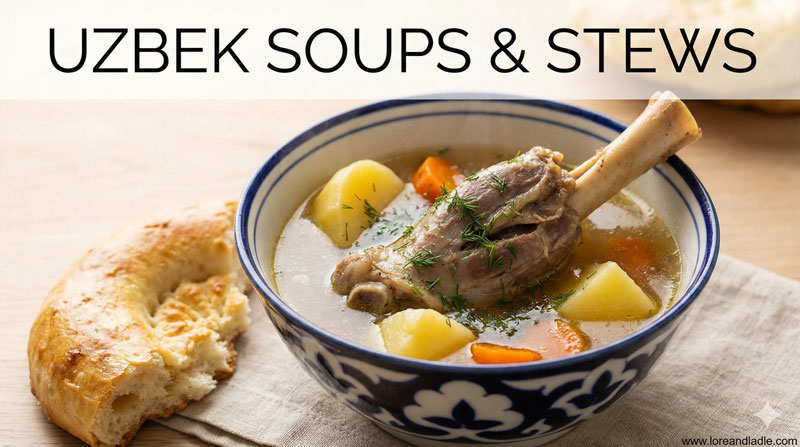
At the heart of Simple Ganfan lies a harmony of ingredients that reflect Uzbek pantry essentials. Tender meat—commonly lamb or beef—meet hearty vegetables like potatoes, carrots, onions, and tomatoes. Fresh herbs, such as dill and coriander, lend brightness, while cumin brings a gentle warmth that resonates with regional spice profiles. The broth is clear and comforting, letting each component shine. Some cooks add a small dose of paprika or green chiles for a subtle kick. To accommodate different traditions, you may also encounter noodles or rustic dumplings folded into the pot. Each regional version preserves the same core idea: a nourishing, flexible dish built on accessibility and seasonality.
The Cooking Rhythm: Slow Simmer, Big Flavor
Simple Ganfan thrives on a steady simmer. The technique matters as much as the ingredients. First, the meat is browned to deepen its flavor. Next, aromatics and vegetables join the pot, releasing their fragrance. Then the broth simmers gently, allowing textures to soften and flavors to mingle. Finally, herbs are added toward the end to preserve their bright character. This method favors patience and balance, producing a soup-steak dish that feels hearty yet light on the palate. The result is flavor that lingers in a comforting, mouth-watering way.
The Flavor Profile You’ll Love
The beauty of Simple Ganfan is its sense of harmony. You’ll notice a savory base from meat and broth, softened by vegetables. Fresh dill and coriander lift the dish with green, herbaceous notes. The cumin adds a warm, earthy edge that ties the ingredients together. Tomatoes lend a gentle acidity, brightening the pot without overpowering the other flavors. If noodles or dumplings are included, they bring a soft, comforting texture that invites you to savor one more spoonful. The overall profile stays soothing and balanced, making it a reliable favorite for many seasons.
Regional Touches and Family Traditions
Across Uzbekistan, families adapt Simple Ganfan to local tastes, family rituals, and seasonal fare. Some kitchens emphasize bigger chunks of potato for heartiness; others favor more carrot sweetness. In certain households, cooks toast spices in a dry pan before adding them to the pot, a small technique that can deepen aroma. The dish travels through generations as a reliable canvas for personal touches—garlic pressed through a squeeze of lemon for brightness, or a dollop of yogurt swirled on top for richness. These variations celebrate regional pride while keeping the shared idea of a comforting, communal meal intact.
Serving and Rituals
Serving Simple Ganfan is a respectful, enjoyable ritual. Ladle the steaming broth over a bed of crusty bread or alongside flatbread, so guests can dip and savor. A scatter of fresh herbs on top brings color and life to the bowl. In many homes, the first bowl is shared with elders or guests as a sign of welcome, followed by rounds for everyone at the table. Pairing the dish with a bright salad or lightly pickled vegetables can offer a pleasing contrast, enhancing the overall dining experience. The serving moment is as important as the cooking itself, reinforcing the value of hospitality.
A Quick Home Method to Try
- Sear meat in a large pot to build a rich base.
- Add chopped onions, carrots, and potatoes; cook until lightly softened.
- Stir in tomatoes, water or broth, and your chosen spices (cumin, dill, coriander).
- Let the mixture simmer slowly until the meat is tender and flavors meld.
- If using noodles or dumplings, add them toward the end and cook until al dente.
- Finish with chopped fresh herbs just before serving.
This approachable method keeps the essence of Simple Ganfan intact while inviting Home Cooks of all levels to participate. The dish rewards patience, but it remains accessible for weeknight dinners and Weekend Gatherings alike.
The Cultural Value and Culinary Significance
Simple Ganfan stands as a testament to Uzbek culinary artistry grounded in everyday life. It shows how a few well-chosen ingredients, treated with care, can carry a sense of place and community. The dish teaches respect for seasonal produce, the joy of shared meals, and the beauty of adapting a traditional recipe to your own kitchen. It also celebrates the skill of balancing textures and flavors, a hallmark of Uzbek soups and stews. By inviting everyone to the table, Simple Ganfan reinforces social bonds and creates lasting memories around food.
Final Thoughts
Simple Ganfan – Uzbekistani Soups & Stews Flavor You’ll Love invites you to slow down, connect with others, and honor a culinary tradition that values warmth, balance, and craft. Its cultural value lies in its universality—the way a single pot can bring people together and reflect a community’s love of good food. If you seek a dish that feels both timeless and welcoming, this is a flavorful choice that embodies the heart of Uzbek home cooking. Enjoy the aroma, savor the ingredients, and celebrate the people who share the meal with you.