
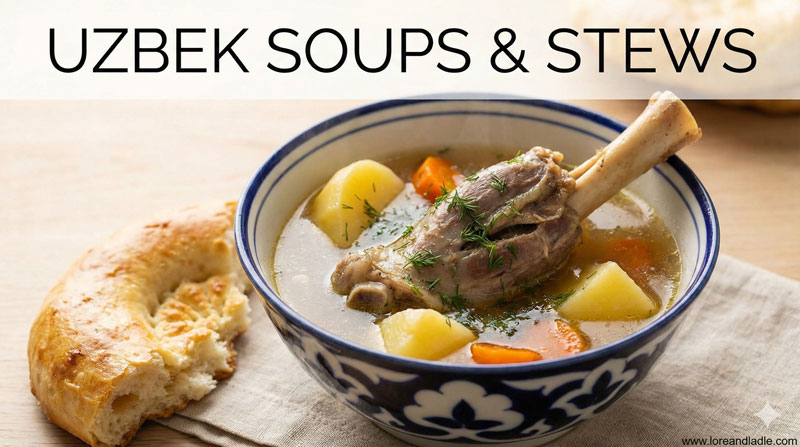
Perfect Katlama – Uzbekistani Soups & Stews Flavor You’ll Love
Katlama stands at the crossroads of texture, aroma, and hospitality. In Uzbek cuisine, this layered pastry is more than a snack; it is a symbol of care, sharing, and seasonal celebration. The dish invites you into a kitchen where technique, family tradition, and attentive timing come together to create something truly memorable. Through its delicate crunch and warm richness, katlama speaks a quiet, inviting language about food as a cornerstone of everyday life.
What is Katlama?
Katlama is a layered pastry that unfolds in thin, buttery sheets. The dough is worked to be exceptionally pliable, then brushed with oil or butter and folded to form many delicate layers. It emerges from the oven or a hot pan with a flaky crust and a soft, flavorful interior. Some versions feature sesame seeds or nigella seeds on top, catching the light and adding a final, fragrant touch. The result is a pastry that feels both luxurious and approachable—perfect for beginning a meal or standing proudly at its center.
A Proud Tradition in Uzbek Homes
In Uzbek households, katlama is more than flavor; it is a gesture of welcome. When guests arrive, owners often present a tray of fresh bread and pastry, including katlama, as a sign of generosity. The act of sharing food is a language all its own, conveying warmth, respect, and a sense of community. Katlama finds its place beside soups, stews, and plov, forming part of a generous spread that reflects the family’s care for its guests. This tradition keeps alive a rhythm of gatherings, laughter, and stories told around the table.
The Craft Behind the Crust
The magic of katlama lies in patience and technique. The dough is rolled extremely thin, close to the translucence of a page. Layers are built with careful brushing of fat, allowing each sheet to meld into the next. As the pastry bakes, it swells into a light, airy structure, with a crisp edge and a tender inner crumb. Filings and toppings—whether a touch of salt, a whisper of sugar, or a scattering of seeds—enhance the flavor without overpowering the pastry’s delicate balance. The result is a crust that shatters gracefully at the first bite, releasing its nutty, buttery scent.
Katlama and the Table: Pairings with Soups & Stews
Although katlama shines on its own, it also enhances the broader meal. In Uzbek dining, soups and stews offer depth, warmth, and nourishment, and katlama provides a textural contrast that elevates the experience. A spoonful of hearty shurpa or a simmering lagman bowl pairs beautifully with a crisp, flaky piece of katlama. The pastry acts as a palate cleanser between rich broths and savory fillings, while its fat content complements the meat, herbs, and vegetables common to these dishes. The combination creates a harmonious balance: the soup offers body and heat, and katlama delivers a delicate crunch and a comforting fat richness that lingers pleasantly.
Regional Variations and Seasonal Flavors
Across Uzbek regions, katlama carries subtle regional touches. Some kitchens favor a lightly sweet glaze, while others emphasize savory notes, with sesame, nigella, or a modest dusting of salt. Fillings can range from simple oil and herbs to finely chopped nuts or dried fruit folded into the layers. Seasonal ingredients influence the aroma and texture as well: in cooler months, a tad more fat can heighten the pastry’s comforting presence; in harvest seasons, a hint of honey or fruit can offer a gentle sweetness that complements autumn soups and stews. This flexibility makes katlama a versatile companion to a family’s preferred soups and stews, adapting to what is freshest in the market and what the family most enjoys sharing.
Craft, Hospitality, and Community
The making of katlama is often a shared activity, weaving generations together. Grandparents teach the rhythm of rolling and layering; younger cooks learn the timing, how to judge heat, and when the crust has reached its ideal crispness. This collaborative process reinforces values of patience, attention, and generosity. When the pastry finally emerges from the oven, it is a celebration of teamwork and love. Serving katlama at the table reinforces hospitality, inviting conversations that stretch into the afternoon as the steam clears and the room fills with aromas of butter and toasted seeds.
How to Enjoy and Keep Freshness
To savor katlama at its best, serve it warm, ideally soon after it comes from the oven. The crust should be crisp on the outside and tender inside. If you need to reheat leftovers, do so gently in a low oven or a light skillet to revive the crunch without drying the interior. Store katlama in a cool, dry place and cover to preserve its flakiness. A few minutes in moderate heat can refresh its aroma and texture, making it feel almost freshly baked again. Pairing suggestions include a hot cup of tea, a light yogurt dip, or a small side of fresh herbs to brighten the palate between bites of the pastry and spoonfuls of stew or broth.
A Language of Flavor and Culture
Katlama communicates in a language of texture and warmth. Its layered construction mirrors the layered conversations that happen around Uzbek tables: family stories, seasonal greetings, and the careful attention paid to each dish before it is shared. The pastry invites guests to slow down, listen, and enjoy the craft that goes into each bite. In this way, katlama becomes more than a recipe; it is a cultural touchstone that celebrates family, hospitality, and the everyday beauty of a well-prepared meal.
Conclusion: A Dish That Feels Like Home
Perfect Katlama embodies the soul of Uzbek cuisine: generous, precise, and deeply communal. Its flaky crust and rich interior offer a tactile reminder of how food can nurture connection. Whether enjoyed alongside a steaming bowl of shurpa or alongside a plate of plov, katlama enhances the meal with texture and warmth. It stands as a tribute to tradition, while inviting new cooks to carry its heritage forward with care and joy. In every bite, you taste a culture that loves to share, celebrate, and savor the simple elegance of a well-made pastry.