
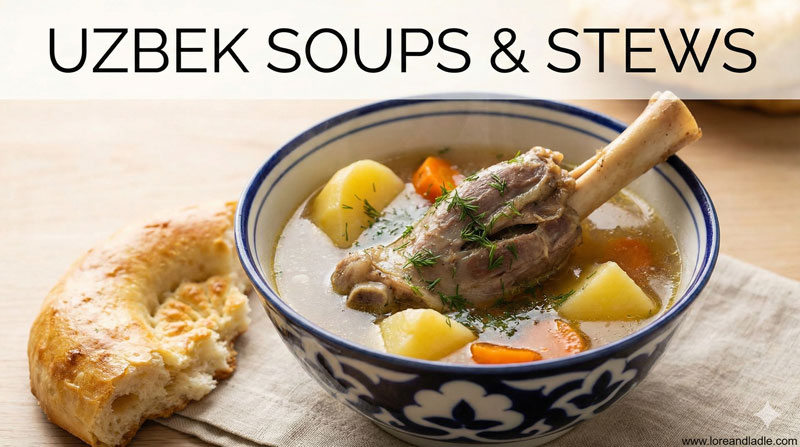
Introduction: Traditional Lagman – Uzbekistani Soups & Stews Flavor You’ll Love
Traditional Lagman is more than a meal. It Is a warm invitation into Uzbekistani soups and stews, where every bite tells a story of craft, family, and everyday celebration. The dish blends hand-cut noodles, a hearty broth, and a colorful chorus of vegetables. In one bowl, you taste history, technique, and the joyful rhythm of daily life in Uzbekistan. This post explores its cultural value and culinary significance, inviting you to savor the flavor and spirit of Lagman.
A Window into Uzbek Hospitality
Hospitality shines through Lagman every time a pot comes to the table. Cooks prepare it to welcome guests, to mark a gathering, or simply to share a moment of kinship. The aroma travels through the home, drawing everyone closer. When the bowl arrives, friends and family gather around, talk flows, and the meal becomes a communal event. Lagman turns cooking into a shared ritual, where time spent nearby and hands that work together create a sense of belonging.
Core Elements: Noodles, Broth, and Vegetables
At the heart of Lagman are three trusted elements: the noodles, the broth, and the vegetables. The noodles are often handmade, long, and satisfyingly sturdy, designed to soak up just enough broth without turning mushy. The broth carries depth from simmered meat, typically lamb or beef, and from a careful blend of spices. Vegetables—onions, peppers, carrots, and tomatoes—brighten the pot with color and texture. Some kitchens add potatoes, green beans, or herbs, enriching the dish with layers of aroma. The overall balance is precise: a robust, savory base paired with fresh, vibrant vegetables and a comforting noodle bite. The result is a dish that feels both rustic and refined, a testament to patient technique and local produce.
Regional Tales: Samarkand, Bukhara, Tashkent
Uzbekistan’s regions leave distinctive fingerprints on Lagman. In Samarkand, cooks may emphasize a slightly sweeter tomato character and a richer herb note, creating a bright, fragrant bowl. In Bukhara, the spices can lean toward earthier tones, with cumin and coriander playing more prominent roles to deepen the savor. In Tashkent, you might find a lighter, brisker finish, with vegetables cut for quick cooking and a broth that feels clean and inviting. These regional accents celebrate how communities shape a shared dish while preserving its core identity: hand-made noodles, a soulful broth, and fresh vegetables harmonizing in every serving.
The Art of Noodles: Craftsmanship
The noodle is Lagman’s signature craft. Skillful hands pull and cut dough into strands that retain bite as they soak in broth. This technique connects generations of cooks, who pass down feel and tempo as much as recipe text. The noodles are not merely a component; they are a living bridge between past practice and present enjoyment. When the noodles meet the simmering broth, they release a gentle elasticity that makes each mouthful satisfying. The craftsmanship of Lagman noodles elevates the dish from simple sustenance to an artful expression of culinary devotion.
Serving Traditions and Social Life
Lagman shines in how it’s served. A generous bowl arrives with a garnish of fresh herbs—cilantro, dill, or parsley—plus a touch of garlic, chili oil, or pepper for those who enjoy a gentle kick. A piece of flatbread often accompanies the meal, inviting diners to dip and savor every last drop of broth. Serving Lagman in a shared setting reinforces togetherness; diners pass bowls, share spoons, and linger over conversation. This social rhythm—serve, share, savor—defines Lagman as much as its flavor.
Lagman as a Seasonal Friend
Lagman fits naturally into the rhythms of Uzbek life. In cooler months, the dish offers warmth and heartiness that comfort the senses. In warmer seasons, cooks might emphasize brighter vegetables and a lighter broth, keeping the dish inviting without weighing the palate. The adaptability of Lagman makes it a reliable companion throughout the year, echoing how families and communities adapt ingredients to the season while preserving the essence of the dish.
A Modern Take: Tradition Meets Variation
Today, Lagman embraces gentle modern touches without losing its core identity. Some kitchens offer meat-free versions that highlight vegetables and herbs, while others experiment with spice blends to create a milder or more zestful profile. Yet even with variations, the key elements endure: hand-made noodles, a nourishing broth, and a generous mixture of vegetables. This balance keeps Lagman relevant and beloved across generations, regions, and kitchen styles.
Final Thoughts: The Flavor You’ll Love, The Culture You’ll Cherish
Traditional Lagman stands as a delicious reminder of how food carries culture. It celebrates skilled handiwork, seasonal produce, and the warmth of shared meals. The dish invites curious eaters to appreciate the careful balance of texture, aroma, and taste that defines Uzbekistani cuisine. If you’re exploring world soups and stews, Lagman offers a compelling encounter with a timeless craft and a welcoming culinary voice. Enjoy the aroma, the texture, and the sense of connection that come with every bowl, and you’ll understand why Lagman remains a cherished staple in Uzbek food culture.