
How to Make Katlama – Uzbekistani Soups & Stews Flavor You’ll Love
Katlama is more than bread. It is a warm thread that ties families and friends together around the table. In Uzbekistani homes, this layered, flaky bread often appears beside hearty soups and stews. Its aroma, texture, and golden crust invite sharing and conversation. This post celebrates katlama’s cultural value and culinary significance, and explains how its character enhances the soups and stews that bring comfort to the day.
What Katlama Represents in Uzbekistani Cuisine
In Uzbekistani cuisine, bread holds a special place. It is a sign of hospitality, a gesture of welcome, and a centerpiece for gatherings. Katlama embodies that spirit with its careful layering and generous folds. Each bite carries a memory of hands that kneaded, rolled, and rested the dough. The bread’s crisp edges contrast with a tender, almost melt-in-your-mouth center, a harmony that mirrors the balance found in traditional stews and broths. Sharing katlama becomes a moment to savor flavors, tell stories, and appreciate the craft of Home Cooking.
The Craft Behind Katlama
The magic of katlama lies in technique and patience. The dough is simple: flour, water, salt, and a touch of fat. After mixing, the dough rests, gaining softness and strength. Then comes the layering: a thin sheet is brushed with oil or clarified fat, folded, and rolled again to create delicate sheets. This lamination builds layers that puff and separate during cooking. Finally, the bread is cooked until the outer surface turns a warm golden color while the inner layers stay fragrant and moist. The result is a bread that invites you to tear and share, with a texture that adds a satisfying bite to soups and stews.
Katlama and the Harmony with Soups & Stews
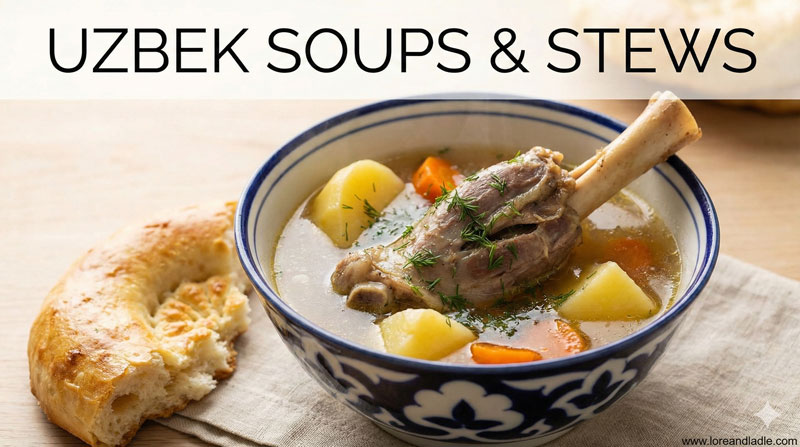
Katlama shines when paired with rich Uzbekistani soups and stews. Consider a hearty shurpa or a comforting lamb stew. The bread’s flaky layers capture little pools of broth, while its subtle richness enhances the savoriness of the dish. The light crunch of the crust contrasts with the soft interior, creating a pleasing mouthfeel. In every bite, you feel the skill behind both the bread and the soup—the careful balance of fat, flour, and time that makes both dishes linger in memory.
Regional Touches and Flavor Variations
Variations in katlama exist, each carrying a local note. Some cooks sprinkle sesame seeds or nigella seeds on top for a warm, nutty aroma. Others brush the dough with a mix of oil and herbs to introduce a faint herbal lift. Even the shape can vary from round to oval, but the underlying idea stays the same: multiple delicate layers created with care. These small differences reflect how communities adapt a beloved technique while preserving its essence. When you enjoy katlama with a favorite soup, you taste both the shared tradition and the personal touch of the cook.
Serving Traditions and Ways to Enjoy
Warm katlama is best enjoyed fresh, torn into pieces and shared on a large platter. It serves as a welcoming gesture at the table, a companion to tea, and a perfect carrier for flavorful morsels in a soup. For a complete experience, pair katlama with yogurt, pickles, or a fresh herb salad on the side. If you have leftovers, a gentle reheat revives the crust and keeps the layers inviting.
A Simple Home Approach to Katlama
- Start with a soft, smooth dough and let it rest.
- Roll the dough into very thin sheets.
- Brush with oil or melted fat, then fold to create layers.
- Repeat rolling and folding if you like extra texture.
- Cook on a hot skillet or in a warm oven until the crust is golden and crisp.
- Serve warm, with your favorite soup or stew.
A Glimpse of Cultural Beauty
Katlama offers more than nourishment. It reflects the care that goes into daily meals and the joy of sharing. Each slice speaks of family time, patient hands, and a kitchen’s quiet art. In Uzbekistani kitchens, this bread is a bridge between flavor and memory, inviting people to gather, taste, and cherish the moment.
Final Thoughts
If you seek a dish that marries texture, aroma, and tradition, katlama is a perfect choice. Its layered richness adds depth to soups and stews while honoring a time-honored approach to food. By making and sharing katlama, you participate in a living, flavorful culture that values hospitality, technique, and togetherness.