
Hook
On a quiet Saturday, a kitchen clock ticks softly as a pot begins to sing with steam. The cook sets down a spoon and smiles at the scent rising from the pot: garlic, soy, and a hint of vinegar weaving through the air. Why Chicken Adobo Is a Must-Try Filipino Dish in the U.S. seems to appear in every kitchen as a gentle invitation to gather, taste, and linger a little longer over a shared meal. In this everyday moment, the dish feels like a warm hello—familiar, comforting, and quietly delicious.
Jump to Recipe
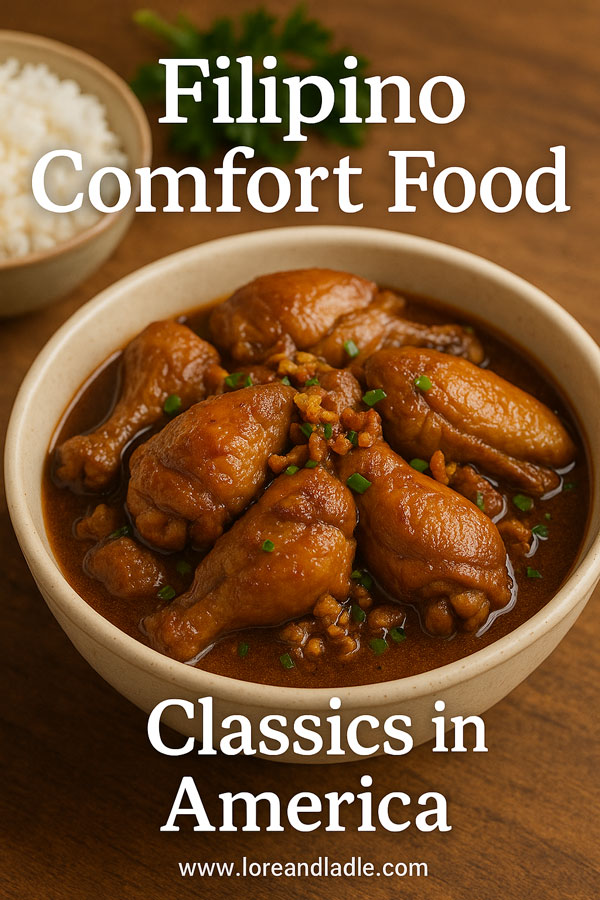
- What it is: a braised chicken dish seasoned with soy sauce, vinegar, garlic, bay leaves, and peppercorns, finished with a glossy, savory sauce.
- Core flavors: salty, tangy, and garlicky, with a comforting depth from slow braising.
- Texture note: tender chicken that pulls from the bone, paired with a silky sauce that clings to rice.
- When to cook: ideal for weeknights, weekend family meals, and casual gatherings with friends.
- How it’s typically served: over hot white rice, with a side of vegetables or a simple egg atop to soak up the sauce.
- Quick idea for variations: you can adjust the balance of vinegar and soy, add a touch of sweetness, or pair with fried rice for a richer bite.
- Time horizon: mostly hands-on time short, with most of the depth coming from a gentle simmer that coats the meat and thickens the sauce.
- Why Why Chicken Adobo Is a Must-Try Filipino Dish in the U.S. works: it’s approachable, pantry-friendly, and deeply flavorful, inviting home cooks to improvise while keeping a clear center of taste.
The Deep Dive
Why Chicken Adobo Is a Must-Try Filipino Dish in the U.S. stands out for its balance and simplicity. The dish blends two pantry staples—soy sauce and vinegar—into a bright, comforting sauce that brightens as it braises. Garlic adds aroma and warmth, while bay leaves and peppercorns provide subtle depth. The preparation invites you to adjust the flavors according to taste, yet it remains distinctly cohesive, with each bite carrying a familiar, homey feel.
In daily life, the dish takes on many roles. It is a dependable weeknight staple that cooks quickly once the pot comes to a simmer. It appears at Family Dinners as a shared main, easy to pair with white rice and a simple vegetable. It can also be a centerpiece at a casual potluck, where the aroma invites conversation and shared plates. The texture—savory sauce embracing tender meat—offers a reliable comfort that food and conversation can share.
Key characteristics shine in every bowl of Why Chicken Adobo Is a Must-Try Filipino Dish in the U.S. The color is deep and glossy, a sign of slow, quiet reduction. The scent lingers, mingling with steam and the warmth of the kitchen. The meat remains moist and flavorful, with a gentle bite that speaks of braising rather than boiling. The sauce clings to rice and greens, making each mouthful satisfyingly complete.
People enjoy this dish in many ways that feel simple and true. Some savor the richness with extra rice and a briny edge from the sauce. Others spoon a little sauce onto a fried egg or fold it into a bowl of fried rice for a breakfast-for-dinner twist. Leftovers often taste even better the next day as the flavors meld, offering a convenient, comforting option for busy schedules. The dish adapts well to different kitchens, ingredients, and moods, and that adaptability is part of its appeal.
Occasions for Why Chicken Adobo Is a Must-Try Filipino Dish in the U.S. include casual family meals, weeknight dinners, and friendly gatherings where everyone contributes a dish or a story. It fits a quiet celebration just as well as a simple weeknight ritual after a long day. The tradition is less about ceremony and more about a dependable, shared experience: a pot of braised chicken, a plate of rice, and a moment to enjoy each other’s company.
Non-political traditions surrounding the dish focus on warmth, hospitality, and home cooking. The kitchen becomes a place to trade ideas, swap tweaks to the recipe, and offer a helping hand with chopping or setting the table. The act of tasting together—checking the balance of salty and tangy, appreciating the aroma of garlic, and passing bowls of steaming rice—builds a small ritual of care in daily life. In this sense, Why Chicken Adobo Is a Must-Try Filipino Dish in the U.S. serves as a gentle reminder that good food often travels through simple, shared moments.
The Recipe Card
Core ingredients:
– Chicken thighs and/or drumsticks (bone-in for more flavor)
– Soy sauce
– Vinegar (typical rice vinegar or white cane vinegar)
– Garlic cloves, crushed or sliced
– Bay leaves
– Whole peppercorns
– Water or light broth
– Optional: a small amount of sugar or palm sugar
– Optional: onion, for extra aroma
– Optional: a little oil for searing
High-level method:
– Sear or brown the chicken pieces to develop color, then braise them in a mixture of soy sauce, vinegar, garlic, bay leaves, peppercorns, and a splash of water until the meat is tender and the sauce is glossy and cohesive. Finish by letting the sauce reduce to a pleasing glaze and adjust with a touch of sweetness if desired. Serve hot with steamed white rice and a simple side, so the dish shines as the main, comforting star. Why Chicken Adobo Is a Must-Try Filipino Dish in the U.S. remains the guiding idea, a reminder that this pot of flavor travels well and welcomes everyone to the table.