
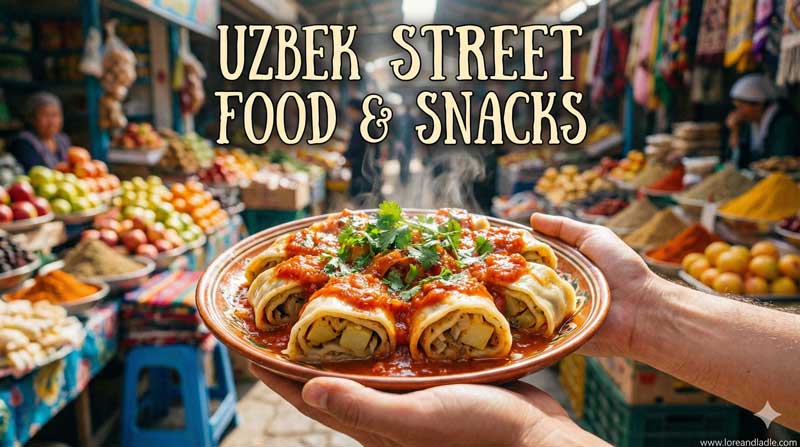
How to Make Katlama – Uzbekistani Street Food & Snacks Flavor You’ll Love
In Uzbek street food, Katlama shines as a golden, flaky pastry that speaks to welcoming hospitality. This dish blends technique with heart, inviting neighbors and visitors to share a moment over tea. Here, we explore its cultural value and culinary significance, then show a friendly way to craft it at Home.
What Katlama Is and Why It Matters
Katlama is a layered, lightly fried pastry from Uzbekistan’s vibrant food scene. It resembles a delicate lattice of dough, built with care and patience. The result is crisp on the outside and tender inside, with a scent that lifts the mood. In markets and tea houses, Katlama signals a pause in the day—an opportunity to connect, smile, and savor. Its appeal lies in the balance of skill and simplicity, showing how small techniques can carry big cultural meaning.
The Craft Behind the Flaky Layers
The magic of Katlama rests on three ideas: thin dough, generous layering, and careful heat. Bakers roll dough into very thin sheets, then brush each sheet with a light layer of oil or melted fat. They stack and fold those sheets to create many delicate layers. The result catches sun on the surface, revealing a honey-gold crust when fried or baked. The texture plays a tune, with a crisp edge and a soft, chewy center. Flavor comes from the dough itself, a hint of oil, and a kiss of sugar or sesame that appears when served. The technique reflects a culture that values rhythm, balance, and shared moments around the stove and the teahouse.
How to Make Katlama at Home
To begin, gather these essentials: flour, water, a pinch of salt, a dash of yeast, oil or melted fat, and optional sugar or sesame for finishing. The steps are simple, but patience makes the difference.
- Mix dough: Combine flour, water, salt, and a little yeast. Knead until smooth, then let it rest. A short rest helps the dough relax.
- Roll thin: Divide the dough and roll each piece very thin. Aim for sheets that are almost translucent.
- Layer and brush: Brush a light layer of oil on a sheet, lay another sheet on top, and repeat to build several layers.
- Shape and cut: Roll the layered sheet into a loose log, then cut into generous diamonds or squares.
- Cook: Fry pieces in a shallow pan with warm oil until the edges turn crisp and the centers stay tender. If you prefer, bake on a hot sheet at a high temperature for a crisp result.
- Finish and serve: Dust with a touch of sugar or sesame if you like. Serve warm, ideally with tea.
Feel free to adapt the process for your kitchen. The joy of Katlama grows with care, consistent heat, and sharing.
Katlama in Uzbek Tea Culture
Katlama is a companion to tea time. In Uzbekistan, tea is more than a drink—it is a moment to slow down and connect. Street vendors, family kitchens, and bustling teahouses all carry the aroma of Katlama as a signal that conversation is welcome. The pastry travels well, making it a popular snack for mornings, errands, or gatherings. Its presence in daily life celebrates hospitality, friendship, and the pleasure of a well-made bite.
Flavor, Texture, and Regional Touches
The flavor is gentle and inviting. A light, toasty crust gives way to a soft, airy center. Sugar dusting adds a hint of sweetness, while sesame seeds offer a nutty accent for variation. Across Uzbek cities, bakers might tweak the finish or the thickness of the layers, creating small differences that locals recognize and celebrate. The result is a dish that invites personal touch—much like a family recipe passed through hands with care.
A Cultural Note: Craft, Community, and Celebration
Katlama embodies more than taste. It represents a moment of shared practice—kneading, rolling, and frying together. It links bakers with generations of cooks who perfected the method, then handed it down with pride. In markets and homes alike, Katlama invites conversation, smiles, and a sense of belonging. The dish stands as a gentle reminder that food can bind people through flavor, technique, and time spent together.
Invite to Experience
If you seek a glimpse of Uzbek street flavor, Katlama offers a friendly entry point. The layers, aroma, and delicate crunch tell a story of welcome and craftsmanship. Try making it at home, share a plate with friends, and let the warm notes invite conversation. This is more than a snack; it is a small celebration of culture and care.