
Introduction
Discover Halva – Uzbekistani Dumplings & Noodle Plates Flavor You’ll Love invites readers to explore a dish that embodies warmth, craft, and shared joy. In Uzbek kitchens, halva threads through everyday meals and festive tables alike. It is more than a taste; it Is a gesture of welcome, a signal that guests arrive to be treated with care. This post highlights the cultural value and culinary significance of halva’s presence in dumplings and noodle plates, revealing how flavor carries memory, hospitality, and artistry from one family to the next.
What is Halva in Uzbek Cuisine?
Halva in Uzbekistan comes in several beloved forms. A flour-based halva, sometimes called gurda halva, offers a soft crumb and a comforting sweetness. Sesame and nut varieties bring nutty depth, while honey or sugar lends a gentle glaze. Across households, halva is sliced, shared, and offered with tea, sweets, or fruit. The act of presenting halva is a small, intentional ritual that honors guests and hosts alike. In cooking, halva can brighten desserts or serve as a delicate accent in savory dishes. Its presence signals hospitality, refinement, and a respect for traditional techniques passed down through generations.
Dumplings Meet Halva: A Harmony of Texture and Taste
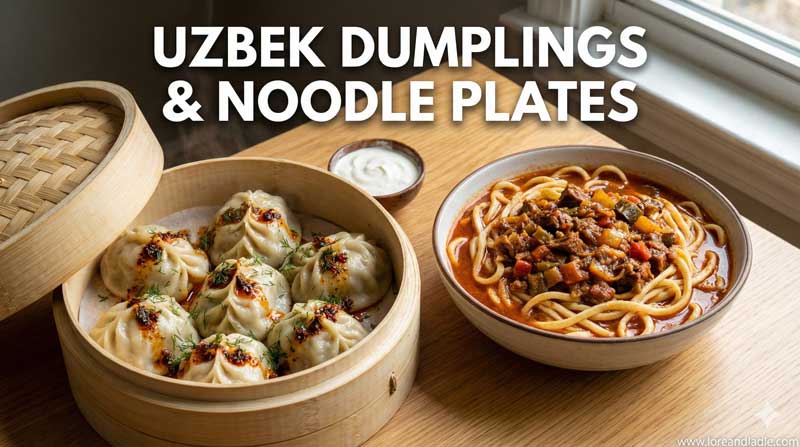
Dumplings in Uzbek cuisine often carry savory fillings, but halva adds an inviting twist when woven into dumplings. Imagine a soft wrapper encasing a halva-infused filling, or a dumpling finished with a halva-scented glaze and a scattering of roasted nuts. The dough remains tender, the bite reveals a whisper of sweetness, and the contrast between doughy warmth and the crumbly halva creates a memorable texture. This pairing showcases how a single ingredient can unify two worlds—the heartiness of dumplings and the delicacy of a sweet, fragrant core. The preparation invites mindful pacing: dough is rolled, fillings are balanced, dumplings are steamed, and the final drizzle glows with a subtle glow of sesame and nut enhances.
Noodle Plates with Halva Essence
Noodle dishes in Uzbekistan, such as lagman-inspired plates, offer a broad canvas for halva’s aroma to mingle with savory sauces and herbs. A halva essence can be introduced as a light glaze, a dusting of powdered halva over the noodles, or a gentle swirl added just before serving. The result is a dish that carries a whisper of sweetness without overpowering the savory depths of broth, meat, and vegetables. This balance respects the integrity of traditional noodles while inviting the palate to experience a new layer of aroma, warmth, and balance. The technique remains refined: noodles are cooked to the perfect chew, sauces are simmered to harmony, and halva’s aroma is released through a careful touch of heat and steam.
Cultural Value: Hospitality, Family, Seasonal Celebrations
Halva, in its many forms, serves as a cultural thread that weaves social connection. Sharing halva with guests expresses respect and generosity. Cooking together—grinding sesame, stirring semolina, shaping dumplings—becomes a family activity that teaches patience and care. Seasonal tables often center on sweets like halva, marking transitions from harvest to feast days and welcoming cycles of the year. The practice of offering halva to newcomers or elders reinforces social bonds and honors tradition. In markets and kitchens, halva’s presence encourages conversation, exchange of tips, and the passing down of stories about families, neighborhoods, and local gatherings. This is more than flavor; it is a doorway to shared memory and mutual appreciation.
Culinary Techniques: From Mixing to Serving
The craft behind halva in dumplings and noodles blends technique with feeling. Toasting nuts and sesame enhances aroma, while grinding creates a fragrant paste. If halva is used as a filling, cooks balance sweetness with savory spices to maintain harmony with the dough. For noodle plates, a gentle halva glaze or dusting requires careful timing so it lingers without overpowering the dish. The doughs—whether for manty-like dumplings or long, hand-pulled noodles—are shaped with care, steamed or simmered to tenderness, and finished with a mindful touch. Across steps, attention to texture, temperature, and balance elevates the dish from simple eating to an act of cultural craft.
Regional Variations and Market Influence
Across Uzbek regions, small differences shape how halva flavors the dumplings and noodles. In historic cities with lively markets, cooks experiment with local ingredients—pistachios, almonds, honey, or saffron—to craft a signature halva aroma. Street stalls and family kitchens alike reflect these regional nuances, creating a spectrum of tastes that celebrate local abundance. Markets become classrooms where cooks learn from one another, swapping tips for roasting seeds, grinding spices, and presenting dumplings with bright toppings. The result is a rich tapestry: a shared culinary language that travels from one town to another while preserving each place’s distinct character.
Pairings and Serving Suggestions
To enjoy this dish fully, pair halva-enhanced dumplings and noodles with a bright, cleansing beverage. Traditional black tea with mint or a lightly sweetened yogurt drink complements the sweet-savory balance. A cup of strong tea after a warm bite can heighten aroma and reset the palate. For texture contrasts, offer roasted nuts or sesame seeds as a finishing touch, and place fresh herbs nearby to add a gentle brightness. Serve warm or at a comfortable room temperature to highlight the delicate contrasts between dough, halva, and sauce. This approach honors both tradition and the pleasure of evolving flavors.
Conclusion
Discover Halva – Uzbekistani Dumplings & Noodle Plates Flavor You’ll Love celebrates more than taste. It honors hospitality, family craft, and the patient artistry that turns simple ingredients into a memorable tradition. Halva’s presence in dumplings and noodles invites cooks and guests to slow down, share stories, and savor balance. In every bite lies a respectful homage to Uzbek culinary heritage—a testament to how sweetness can harmonize with texture, how careful technique elevates humble ingredients, and how food becomes a universal language of care.