
Introduction
A Taste of Ganfan – Uzbekistani Dumplings & Noodle Plates Flavor You’ll Love invites readers into a kitchen where time-honored techniques meet bright, everyday flavors. This dish celebrates the harmony of small, crafted pieces and shared meals. It stands as a window into Uzbek culinary culture, where patience, skill, and hospitality come together around the table. The dish embodies warmth, texture, and a balance of savory, herbal freshness that many families treasure in their weekly meals.
What Makes Ganfan Special
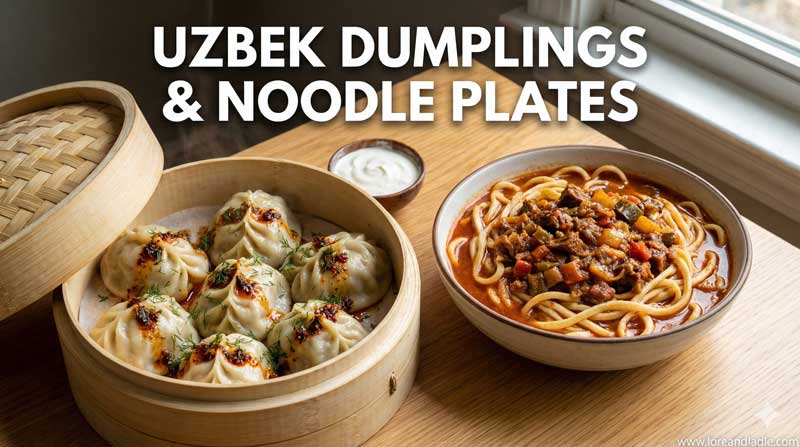
Ganfan blends two beloved formats in Uzbek cooking: dumplings and noodle plates. The dumplings are delicate, with wrappers that yield to a gentle bite, and the fillings carry herbs and tender meat. The noodles offer a different bite—thin yet resilient—so they contrast nicely with the dumplings. Together, they create a menu that feels both comforting and celebratory. The pairing speaks to a culture that values variety on a single plate and cares for texture as a key part of flavor.
The Craft: Dumplings and Noodle Plates
In this dish, dough is a canvas. The dumpling wrappers are rolled to a thin, tender edge, then filled with minced meat, onion, and fresh herbs. The wrappers are sealed with care, revealing a lattice of folds that mirrors the patience of the kitchen. The noodles are made from simple ingredients—flour, water, and salt—and rolled or cut into slender strands. They are cooked just until they glow with a soft chew. Sauces or broths bring the two elements together, weaving the dumplings and noodles into a coherent, satisfying mouthful. This craft highlights a respect for traditional methods while inviting Home Cooks to lean into their own family flavors.
Cultural Value and Everyday Life
Ganfan is more than a meal; it is a shared experience. Families gather to roll dough, mince herbs, and pat out perfect fillings. The process reinforces memory and skill, passed from one generation to the next with quiet pride. In marketplaces and kitchens, the scent of cumin, coriander, garlic, and onions signals a time to gather. Serving the dish in generous portions reflects a culture that values abundance and hospitality. Sharing bowls and passing plates around the table reinforces connection, making every meal a small, meaningful celebration of everyday life.
Ingredients and Techniques, with Respect for Tradition
Key ingredients include tender meat, onions for sweetness, fragrant herbs, and the ever-present spice set that defines Uzbek cuisine. The dumpling dough is kneaded until smooth, then rested to achieve a supple texture. The noodle dough is worked to a gentle elasticity, rolled thin, and cut with care. Techniques emphasize balance: a light touch for the dumplings to keep them plump, and precise timing for the noodles to maintain bite and texture. The result is a dish that speaks softly of craft, patience, and the artistry found in home kitchens.
Regional Variations Within Uzbekistan
Different regions bring their own flavor signatures to Ganfan. Some kitchens favor brighter herb notes, others a deeper meatiness. The balance of spices may shift with local pantry staples, and the thickness of dumpling wrappers can vary by family preference or tradition. These tiny distinctions create a tapestry of styles that still share a core Love for dumplings, noodles, and communal eating. The dish thus serves as a culinary thread that connects diverse regional tastes into one coherent cultural story.
Flavor Philosophy and Pairings
The dish thrives on contrasts: tender dumplings meet chewy noodles, and savory meat mingles with fresh herbs. A bright herbaceous note from dill or parsley cuts through rich fillings, while a light broth or sauce ties the elements together. Tea, bread, and pickled vegetables often accompany the meal, enhancing the freshness of the herbs and the warmth of the spices. This thoughtful balance reflects a broader food philosophy in Uzbek cuisine: harmony among textures, aromas, and flavors to create comfort and delight.
The Dining Moment
Eating Ganfan is a ritual of generosity. Plates are shared, conversations ease into rhythms of cooking and tasting, and the table becomes a stage for everyday joy. This dish supports a sense of belonging, inviting guests to slow down and savor a thoughtfully prepared meal. The experience is inviting, respectful, and rooted in a deep appreciation for what food can offer in daily life.
Conclusion
A Taste of Ganfan presents a vivid portrait of Uzbekistani cuisine through dumplings and noodle plates that delight the senses and honor craft. It celebrates the beauty of simple ingredients treated with care and the warmth of shared meals. Whether enjoyed in a family kitchen or a community gathering, the dish stands as a flavorful reminder of culture expressed through food—an inviting invitation to savor, learn, and linger at the table.