
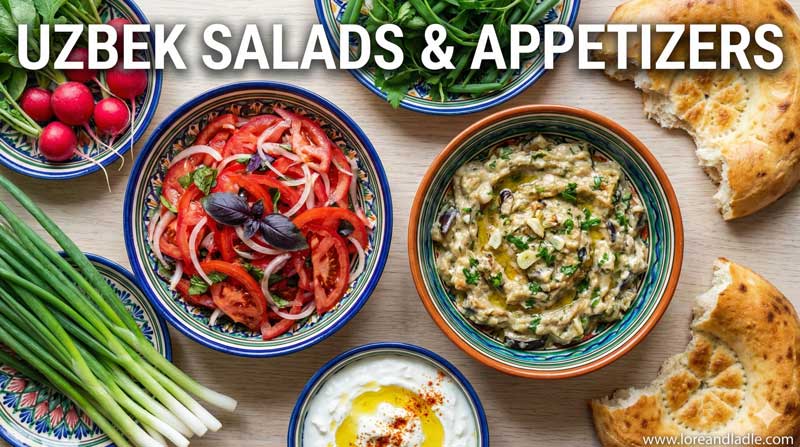
This post introduces Best Recipes for Beshbarmak – Uzbekistani Salads & Appetizers Flavor You’ll Love. It invites readers to explore a beloved corner of Uzbek cuisine, where warmth, family, and simple, radiant ingredients come together in a dish that a community can share with pride. The focus here is on cultural value and culinary significance, shining a light on how Beshbarmak and its accompanying salads and appetizers tell a story of hospitality, craft, and regional pride.
A Celebration of Uzbek Hospitality
In Uzbek culture, food is a bridge between people. Beshbarmak sits at the heart of many gatherings, from festive dinners to everyday family meals. The dish embodies welcome and generosity. People come together around a steaming pot, connect over the aroma of meat and noodles, and savor each bite as a shared gesture of care. These meals are not just about taste; they are a ritual of connection. The act of serving, the hum of conversation, and the clinking of bowls all speak to a long-standing tradition of creating a warm, inclusive space for guests and kin alike.
The Core Components: Noodles, Meat, and Broth
Beshbarmak centers on three simple, honest elements. First, broad, hand-cut noodles form the backbone of the plate. They are tender, slightly chewy, and designed to soak up the essence of the meat and broth. Second, tender cuts of meat—often lamb or beef—provide depth and sweetness that evolve as they simmer slowly. Finally, a fragrant, savory broth ties the dish together, carrying subtle notes of onion, pepper, and spices. Together, these parts create a harmony where each element highlights the others. The result is a bowl and a platter that feel both rustic and refined, a testament to the skill of careful, patient cooking.
Salads and Appetizers: A Bright Frame for the Main
A key feature of the Best Recipes collection is how salads and light appetizers accompany Beshbarmak, balancing richness with brightness. A crisp onion salad lends sharpness and sweetness as it mingles with vinegar and herbs. Fresh tomato and cucumber salads offer cool contrast, while herb-heavy greens—dill, cilantro, and parsley—bring a lift of aroma. Pickled vegetables, tangy relishes, and flatbreads add texture and dimension, creating a plate that feels complete from first bite to the last. These accompaniments are not mere side dishes; they are essential partners that illuminate the tenderness of the meat, the silk of the noodles, and the warmth of the broth. In this sense, salads and appetizers become a language of balance and invitation—one more way the meal speaks of hospitality.
Craft and Craftsmanship: The Making of Noodles and Broth
The beauty of Beshbarmak lies in its craftsmanship. The noodles require attention: rolling to the right thickness, cutting into broad ribbons, and cooking to a precise tenderness. The meat demands a gentle simmer, releasing flavors into the broth while staying juicy. The onion sauce or dressing, where present, adds a finishing note of sweetness and depth. These techniques reflect generations of practice, passed down in kitchens and home kitchens alike. The result is not only a dish but a lineage of skill—every bite carrying a memory of hands that have shaped dough, trimmed meat, and tended a simmer for hours.
Regional Voices: Uzbek Variations and Local Rhythms
Within Uzbekistan, Beshbarmak takes subtle regional shapes. In some regions, noodle thickness varies; in others, the meat might be prepared with a distinctive spice blend or a more pronounced onion note in the sauce. The salads and antipasti can differ in vegetable emphasis, reflecting local harvests and tastes. These variations are not competing; they are complementary threads in a shared tapestry. They demonstrate how cooks honor tradition while celebrating local produce, climate, and family preference. The regional voices of Uzbek cuisine thus enrich the dish, offering a spectrum of textures and flavors that all point toward the same center: a meal built for togetherness.
Serving Traditions and Etiquette: A Guide to the Gathering
The way Beshbarmak arrives at a table matters as much as the dish itself. In many homes, the host arranges the platter with care, ensuring the meat sits beside the noodles and the broth is readily accessible. The salads and appetizers are placed to invite exploration before, during, and after the main course. Sharing is part of the ritual; guests take portions with reverence, and seconds are offered with a courteous smile. The serving sequence emphasizes hospitality: a warm welcome, measured pacing, and a sense of communal enjoyment. This etiquette, simple and humane, reinforces social bonds and makes the meal memorable beyond its flavors.
Flavor Profiles and Aromatic Traditions
The flavor world of Beshbarmak and its companions is a study in balance. Rich, meaty notes mingle with the gentle sweetness of caramelized onions, a touch of pepper, and bright herbal oils. The salads provide crisp acidity and fresh herbaceousness, which brighten the dish and cleanse the palate. Spices are used with restraint, letting the natural qualities of meat, noodles, and greens shine. This approach—clear, direct, and respectful of ingredients—defines not only Beshbarmak but much of Uzbek home cooking. The result is a plate that feels both comforting and refined, a culinary language that emphasizes nourishment, warmth, and clarity of taste.
Pairings, Beverages, and the Table’s Rhythm
To complete the experience, beverages and light accompaniments play a role. A cup of green tea or a cooled yogurt-based drink can refresh the palate between bites. Flatbreads and herbal teas may accompany the dishes, offering texture contrasts and a gentle finish. In this rhythm, the meal unfolds at a comfortable pace, inviting conversation and shared enjoyment. The pairing logic is simple: keep the table vibrant, the flavors honest, and the focus on togetherness.
Keeping Tradition Alive in Modern Kitchens
Today, families and cooks adapt Best Recipes for Beshbarmak to fit modern kitchens while preserving its core spirit. Home cooks may opt for convenient, high-quality ingredients or experiment with fresh herbs and seasonal vegetables. Yet the essence remains: a dish that invites everyone to gather, to share, and to honor the care that goes into preparing a meal. In restaurants and cooking classes across Uzbekistan, you can observe the same devotion to technique, balance, and warmth. The dish travels well in both home kitchens and public spaces, reminding us that great food often begins with simple ingredients treated with respect.
A Guide for Curious Cooks: How to Begin
If you are new to Beshbarmak and wish to explore the Best Recipes collection, start with three guiding ideas:
– Embrace the core trio: noodles, meat, and broth. Respect their relationships, and let one element enhance the others.
– Build flavor with light salads and fresh herbs. They sharpen the plate and provide bright contrasts to the meat’s richness.
– Prioritize sharing. Welcome guests with generous portions and a welcoming presentation. The act of giving is central to the dish’s meaning.
The Cultural Tapestry: Why Beshbarmak Remains a Treasure
More than a meal, Beshbarmak is a cultural thread that weaves together family, history, and craft. It reflects the values of hospitality, generosity, and careful preparation. The dish also honors the farmer, the meat cutter, the noodle maker, and the cook who brings all the pieces together. In this way, Beshbarmak stands as a celebration of everyday excellence—the quiet skill that makes meals feel special and communities feel seen.
Concluding Thoughts: Flavor You’ll Love, Culture You’ll Carry
Best Recipes for Beshbarmak – Uzbekistani Salads & Appetizers Flavor You’ll Love invites readers into a world where food acts as a bridge between generations and geographies. The dish’s cultural value rests on its ability to bring people together, its respect for ingredients, and its patient craftsmanship. The accompanying salads and appetizers do more than garnish; they frame the meal with brightness, balance, and a sense of place. As you explore these recipes, you’ll taste not just flavors but a story—the story of Uzbek cuisine’s warmth, generosity, and enduring love of good food shared in good company.