
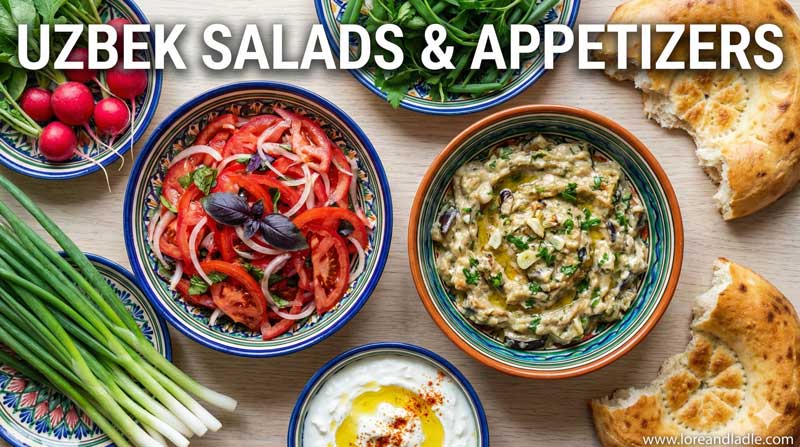
Discover Samsa – Uzbekistani Salads & Appetizers Flavor You’ll Love
Welcome to a journey through a beloved Uzbek staple. Discover Samsa – Uzbekistani Salads & Appetizers Flavor You’ll Love invites readers to savor a dish that carries warmth, craft, and shared enjoyment. In Uzbekistan, Small Bites like samsa open conversations and set a friendly tone at the table. This post celebrates the dish’s cultural value and its culinary significance, highlighting how it reflects longevity, skill, and hospitality.
What Samsa Means in Uzbek Culture
Samsa is more than a snack. It is a tactile link to everyday life and to gatherings big and small. The pastry’s crisp crust, baked to a rich golden hue, contrasts with a tender, flavorful filling. In Uzbek homes and markets, samsa signals care: dough is rolled thin, fillings are seasoned with cumin, coriander, and pepper, and the edges are sealed with precise folds. Each bite offers a moment of comfort and connection, a quiet celebration of a shared meal.
The Craft Behind a Classic Pastry
The craft of samsa blends technique with tradition. Dough is prepared to be pliable yet sturdy, then rolled into thin sheets. Fillings range from savory meat—often lamb or beef with onions and spices—to hearty vegetable mixtures like potato and pumpkin. The pastries are shaped with intention, sometimes into triangles or half-m moons, and then baked in a hot oven or a traditional tandir to achieve a flaky, layered crust. The result is a pastry that delivers aroma, texture, and balance in every mouthful. This careful process speaks to generations of bakers who value precision, patience, and pride in their work.
A Table of Hospitality and Family
In Uzbek culture, food is a language of hospitality. Samsa appears at morning markets, village gatherings, and family luncheons, where neighbors share stories as they share bites. The act of offering samsa embodies generosity and welcome. A plate of warm samsa often accompanies tea, inviting conversation and time spent together. The dish thus supports a social rhythm: it lingers softly in memory, connecting people through taste and conversation.
Flavor, Fillings, and Regional Touches
The flavor profile of samsa is rooted in spices that travel across Central Asia. Cumin brings warmth; coriander offers a fragrant brightness; black pepper adds a gentle bite. Fillings reveal regional preferences and seasonal highlights. You may find meat fillings enriched with onions, garlic, and herbs; vegetarian versions highlight potatoes, onions, and peppers; there are also pumpkin or cheese variations that reflect local farmers’ harvests. The result is a versatile snack that respects tradition while inviting personal interpretation.
Pairings and Serving Traditions
Samsa pairs beautifully with tea, especially a robust green tea that cleanses the palate between bites. A cooling ayran, a yogurt-based drink, also complements the pastry’s richness. In markets and cafes, samsa is often enjoyed in a relaxed setting, where the simple act of sharing adds to its charm. This pairing practice underscores a broader cultural pattern: savoring straightforward foods with beverages that heighten their flavors and encourage conversation.
Why Discover Samsa Feels Timeless
This dish embodies a sense of place and a continuity of care. Its pastry technique and filling choices reflect daily life, seasonal availability, and the desire to create something comforting and satisfying. As a representative of Uzbek snacks and appetizers, samsa offers a window into how communities build warmth and welcome around a table. The dish is an edible sign of craft, hospitality, and the joy of preparation passed down through generations.
An Invitation to Experience
If you seek a culinary moment that celebrates texture, aroma, and social listening—the soft crack of crust, the savory steam, the glow of shared smiles—start with Discover Samsa. Seek a reputable kitchen, a local Uzbek restaurant, or a home kitchen that honors tradition. Taste the harmony of dough and filling, feel the skill of the baker, and listen for the memories carried in each bite. This is more than a snack; it is a respectful celebration of Uzbek culinary artistry and the everyday magic of a well-made bite.