
Introduction
Best Recipes for Tandoor Bread – Uzbekistani Vegetarian & Vegan Dishes Flavor You’ll Love invites readers to explore a dish that is deeply woven into daily life and festive moments alike. This bread carries more than sustenance; it holds a memory of shared kitchens, warm greetings, and the rhythm of Uzbek hospitality. In these pages, you will feel the sense of place that comes with a hot clay oven, the aroma of sesame and sesame-like seeds, and the soft glow of bread rising into a round, inviting shape. The focus here is the cultural value and culinary significance that make tandoor bread a beloved anchor in Uzbek cooking.
The Tandoor and Nan in Uzbek Culture
In Uzbek kitchens, the tandoor oven is a storyteller of flavor. Built from clay and heated with charcoal or wood, the oven adds a smoky depth to every loaf that meets its walls. Nan, or naan, is the bread most commonly baked in this heat, and its presence marks the beginning and end of many meals. Families watch the dough cling to the curved wall of the oven, emerging blistered and blisteringly warm. Sharing nan signals welcome, generosity, and togetherness. Each bite carries a memory of a morning kitchen, a family gathering, or a street-side moment of conversation over a slice of warm bread.
Vegetarian & Vegan Significance
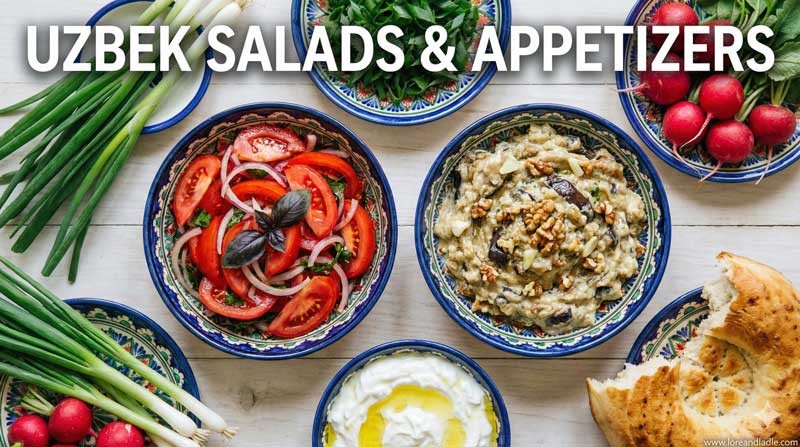
For vegetarian and vegan eaters, tandoor bread becomes a versatile vessel for flavors and textures. It stands beside bowls of vegetable stews, fresh salads, and lentil dishes, inviting plant-based goodness to the forefront. The bread’s soft interior provides balance to crisp vegetables, tangy pickles, and herb-dotted sauces. As a staple, nan supports a plant-forward table by offering a satisfying base for dips, spreads, and roasted vegetables. In Uzbek cuisine, this bread is more than food; it is a respectful platform for vibrant vegetarian and vegan flavors to shine.
Dough Craft and Techniques
The craft behind tandoor bread is humble, rewarding, and precise. A simple dough—flour, water, salt, and a touch of yeast or natural leavening—comes together through steady kneading. The dough rests, relaxes, and develops a gentle rise. When shaped, the bread is pressed into a teardrop or oval form and sometimes sprinkled with sesame seeds or nigella seeds for aroma and texture. The heat of the tandoor seals the crust quickly, creating a blistered surface while keeping the center soft and airy. This balance—the crust’s kiss of smoke and the crumb’s tenderness—defines the essence of Uzbek nan.
Flavor, Aroma, and Texture
Smoky notes greet the senses as nan bakes against the clay walls. The crust is crisp yet not hard; it yields to a tender, almost plush interior. The sesame or nigella seeds contribute a subtle nuttiness and a gentle pop with each bite. Salt highlights the dough’s natural sweetness, while the oven’s heat caramelizes the outside just enough to deepen the flavor. In every slice, you can taste the patience of bakers and the generosity of the traditional kitchen that practices cooking as an act of care.
Serving, Sharing, and Social Value
Serving nan is an act of hospitality. It appears alongside tea, fresh herbs, and seasonal vegetables, ready to be torn by hand and shared. The bread forms a common ground at family meals, feasts, and small gatherings alike. It also travels well—from the bustling market stalls to the quiet home table—carrying the warmth of the oven in its aroma. This social dimension—bread as a unifier—adds to its culinary significance, turning every meal into an opportunity to connect and celebrate together.
Modern Homes and Accessibility
Today, many households blend tradition with convenience. While a traditional tandoor creates the strongest flavor, Home Cooks can approximate the experience. A compact clay or cast-iron oven, or even a hot skillet finished under a broiler, can mimic the blistered surface and soft interior. Importantly, the essence remains the same: a bread crafted with care, a nod to community, and a centerpiece that invites sharing. This accessibility broadens appreciation for Uzbek nan and keeps the cultural practice alive in diverse kitchens.
Conclusion: A Living Tradition
Best Recipes for Tandoor Bread showcases more than a recipe—it reveals a living tradition. The bread embodies hospitality, craft, and the everyday beauty of plant-forward meals in Uzbek culture. It invites cooks to honor simple ingredients and time-tested techniques, while offering a flexible canvas for vegetarian and vegan toppings and pairings. By savoring nan, you embrace a piece of Uzbek culinary heritage and celebrate the warmth of a table where everyone is welcome to share.