
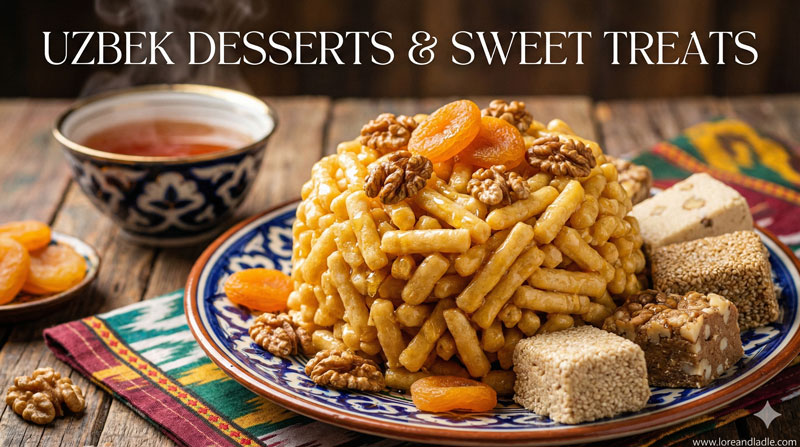
Discover Halva – Uzbekistani Desserts & Sweet Treats Flavor You’ll Love
Halva holds a cherished place in Uzbek kitchens, where every bite carries a note of history, craft, and family warmth. In Uzbekistan, halva is more than a dessert; it is a small ritual that gathers people around the table. The dish invites slow, thoughtful tasting, letting the flavors unfold with tea, conversation, and shared smiles. This post explores the cultural value and culinary significance of halva, inviting you to savor not just a flavor but a heritage.
What Is Halva in Uzbekistan?
In Uzbekistan, halva describes a family of sweet treats built on nutty oils, sugar, and careful toasting. The most common versions use sesame seeds or sesame oil as a base, sometimes blended with sugar, milk, and butter. Simpler forms rely on lightly toasted grains, such as semolina, to create a different texture. The result can be crumbly and silky at once, with a rich, nutty aroma that lingers on the palate. Uzbek cooks emphasize balance—neither overpowering sweetness nor harsh heaviness—so halva complements tea and fruit, rather than overpowering them. The craft is as much about timing as ingredients: the seeds are ground, heated, and stirred until they release their aromas, then joined with sugar and a gentle heat to set into a firm, sliceable treat. In other words, halva is a careful harmony of texture, scent, and sweetness.
A Cultural Favorite Across Uzbek Traditions
Halva is woven into the fabric of daily life and special moments alike. It appears on festive tables and in quiet family gatherings, offering a moment of sweetness after meals or during breaks in afternoon visits. Its presence signals hospitality and care, inviting guests to linger longer and share stories. The preparation itself is a social activity in many homes. Family members take part in toasting sesame, grinding seeds, and mixing the components, turning the making of halva into a small lesson in patience and pride. This shared craft strengthens connections across generations and reinforces a sense of place within the broader Uzbek culinary tradition. In this way, halva becomes a bridge between today’s kitchens and yesterday’s flavors.
Culinary Significance: Texture, Flavor, and Craft
Texture plays a central role in Uzbek halva. The sesame-based varieties offer a creamy, slightly grainy mouthfeel, while semolina-based halva delivers a smoother, more compact bite. The flavor is deep and toasty, with a gentle sweetness that invites another bite rather than demanding it. Crafting halva requires attentive heat control, steady stirring, and precise timing. When done well, the result sits firm yet tender, inviting clean slices and elegant plating. The aroma—warm, nutty, and sweet—prepares the senses for the first bite and sets a comforting tone for the rest of the tasting. This balance of technique and sensorial pleasure highlights halva’s culinary significance as both a skillful preparation and a comforting pleasure.
Regional Threads: How Halva Takes Shape Across Uzbek Lands
Across Uzbekistan, regional preferences shape halva, reflecting local ingredients and tastes. Sesame-based halva remains popular for its rich aroma and robust finish. In some regions, cooks blend sesame with honey or milk to soften the texture and add a velvety depth. Semolina- or flour-based halva offers a lighter, sometimes crumbly alternative with a more delicate sweetness. The colors range from pale ivory to warm amber, depending on the toasting level and ingredients. Regional markets feature small batches, offering fresh textures and scents that speak to a place and its harvests. These variations demonstrate how a single concept—sweet halva—can adapt while preserving core techniques, giving Uzbek cuisine a lively tapestry of flavors.
Serving Traditions: Tea, Temptations, and Time
Halva usually earns its place at tea time or after meals, pairing beautifully with a strong Uzbek black tea. It also makes thoughtful gifts during visits or celebrations, sent with a note of welcome and warmth. When served, slices are arranged on simple plates, sometimes with chopped nuts or dried fruit to add contrast in texture and color. The serving ritual is calm and unhurried, inviting guests to pause and enjoy the moment. This emphasis on mindful tasting and hospitality reflects a wider cultural appreciation for balance, generosity, and shared pleasure in Uzbek culinary life.
How to Appreciate Halva: Tasting Tips
To truly appreciate halva, start with a moment of aroma. Take a slow sniff to notice toasty sesame notes or the subtle sweetness from honey or milk. Then take a small bite and let the texture unfold on your tongue: the initial snap, followed by a creamy, lingering finish. Consider pairing halva with a cup of tea, a slice of fresh fruit, or a handful of nuts for a contrasting bite. If you have a choice, try both sesame-based and semolina-based versions to explore the range of textures and flavors. Each bite offers a window into Uzbek culinary craft and the care that goes into traditional desserts.
Preserving a Culinary Heritage
Halva embodies a living heritage—recipes passed through families, shared at gatherings, and refined by generations of cooks. By enjoying halva, you celebrate the patience, technique, and community that underpin Uzbek desserts. Support local producers who keep traditional methods alive, learn a few basic steps at Home, and pass on the appreciation to friends and family. In doing so, you help keep a vibrant, flavorful practice thriving for years to come. Halva is more than a sweet treat; it is a gentle ambassador of Uzbek food culture.
A Warm Conclusion: The Flavor You’ll Love
If you seek a dessert that carries warmth, craft, and cultural resonance, halva from Uzbekistan offers a distinctive and inviting experience. Its nutty aroma, balanced sweetness, and versatile textures invite both quiet enjoyment and shared celebration. With every slice, you glimpse a story of kitchens, ingredients, and care. Discover halva, and you’ll find not only a flavor you’ll love but a doorway into Uzbek culinary culture—welcoming, respectful, and delicious.