
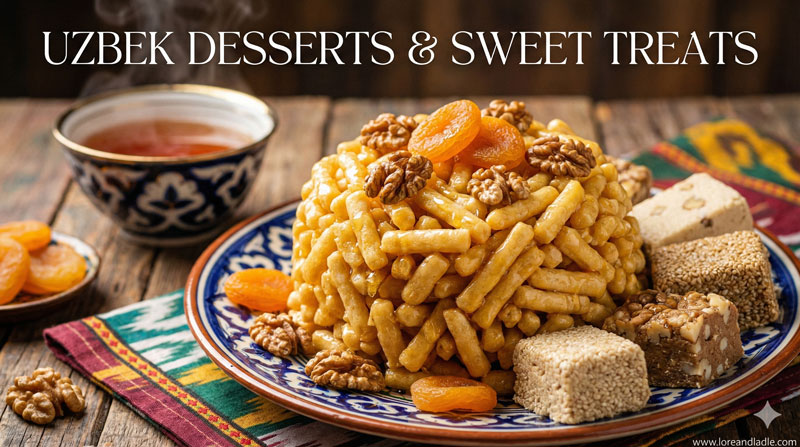
Best Recipes for Beshbarmak – Uzbekistani Desserts & Sweet Treats Flavor You’ll Love
Beshbarmak stands as a cherished centerpiece in Uzbek cuisine, celebrated for its warmth, generosity, and timeless appeal. This blog invites you to explore its cultural value and culinary significance, and to understand why families gather around this dish when making memories together. Although the title may hint at desserts, Beshbarmak is a savory treasure that speaks to hospitality, craft, and regional taste across Uzbekistan.
A Celebration of Beshbarmak in Uzbek Culture
In Uzbek culture, meals are moments of connection. Beshbarmak often marks gatherings that celebrate harvest, special occasions, or the arrival of guests. The dish embodies a spirit of welcome, where food becomes a bridge between generations. Each spoonful carries shared stories, patience in preparation, and the joy of serving others. This is more than sustenance; it is a ritual of togetherness that reinforces family and friendship.
The Soul of the Dish: Hospitality and Family
The very name Beshbarmak translates to “five fingers,” hinting at the timeless custom of eating with hands. This intimate act reinforces a sense of closeness at the table. Families pass bowls, share broth, and present slices of tender meat on a bed of noodles. The ritual creates a gentle choreography that honors elders and guests alike. In every kitchen, the dish becomes a tangible expression of hospitality, respect, and communal care.
The Language of Noodles and Broth
Noodles form the heart of Beshbarmak. They are wide, flat, and hearty, designed to absorb the rich meat broth. The broth itself carries the flavor of slowly simmered meat, with onions adding sweetness and depth. The texture contrast—soft noodles against tender meat and a silky broth—highlights balance and harmony, two principles valued in Uzbek cooking. The simple ingredients come together to create a comforting, memorable experience that echoes through family generations.
Core Ingredients and Their Significance
- Meat: Traditionally lamb or beef, chosen for its tenderness and flavor. The meat is cooked to pull-apart succulence, a sign of careful simmering and patience.
- Noodles: Fresh, wide noodles prepared with care. They provide substance and a satisfying chew that carries the taste of the broth.
- Onions: Often caramelized or lightly sautéed, they lend sweetness and aroma that lift the dish.
- Broth and seasonings: A clear, savory broth seasoned with salt and a touch of pepper or bay leaf. Minimal yet purposeful seasoning honors the natural flavors of the ingredients.
These components reflect a culinary philosophy that values quality ingredients, respectful techniques, and a humane approach to flavor—flavors that feel both grounded and generous.
Preparing Beshbarmak: A Shared Culinary Ritual
In its essence, Beshbarmak is built through patient, communal work. First, meat is simmered slowly to release its tenderness and create a flavorful stock. Next, the noodles are prepared and cooked until just tender. Then the meat is sliced into generous pieces and laid over a nest of noodles. Finally, hot broth and onions are ladled over the top, inviting everyone to dip and savor. The process is a team effort, with family members contributing at every step, making the dish a living memory of shared labor and care.
Regional Taste: Uzbek Variations and Fresh Perspectives
Across Uzbekistan, families put their own stamps on Beshbarmak. Some regions prefer a richer, deeper broth, while others highlight a slightly thicker noodle. Differences may appear in the onion preparation, the thickness of the meat slices, or the balance of salt and pepper. These variations are not just recipes; they are expressions of local memory, climate, and seasonal produce. The result is a diverse family of preparations that all honor the same core idea: a warm, generous dish built for communal enjoyment.
Serving Traditions That Bind People Together
Serving Beshbarmak is an act of hospitality. A host often leads the serving, offering the first bite to a guest or elder to show reverence. Bread, tea, and small accompaniments may accompany the dish, reinforcing the sense of welcome. The communal plate is a reminder that food is a shared experience, where generosity and respect sit at the center of every meal.
Keeping the Flame Alive: Modern Takes that Respect Tradition
Today, cooks preserve the heart of Beshbarmak while inviting new textures and ideas. Some chefs highlight the meat’s tenderness with careful cutting, while others experiment with different meats or broth flavors, all while maintaining the essential balance of noodles, meat, and onion-scented broth. In every kitchen, the focus remains on hospitality, craft, and the joy of gathering. Modern approaches can coexist with tradition, ensuring Beshbarmak remains relevant and beloved for new generations.
Conclusion: Flavor as a Bridge to Uzbek Food Culture
Beshbarmak is more than a savory dish; it is a living portrait of Uzbek culinary heritage. Its noodles, meat, and broth tell a story of provenance, family, and shared meals. The dish invites warmth, fosters conversation, and honors the art of slow, thoughtful cooking. By embracing its cultural value and culinary significance, we celebrate a dish that connects people across generations and regions—an enduring symbol of Uzbek hospitality and cooking craftsmanship.