
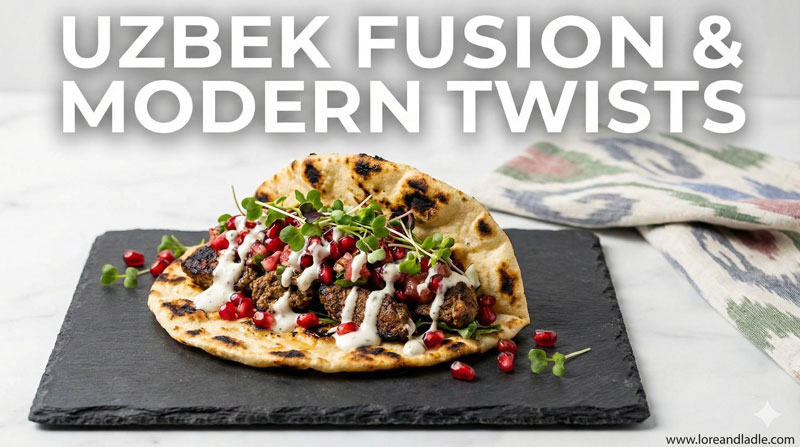
Popular Chuchvara – Uzbekistani Fusion & Modern Twists Flavor You’ll Love
Popular Chuchvara invites you to a table where memory and invention intertwine. This dish blends time-honored technique with fresh ideas, creating a dumpling that feels both familiar and exciting. The result is a plate that honors tradition while welcoming curious palates. In short, it’s a celebration of skill, family, and shared meals.
What is Chuchvara in Uzbek Cuisine
Chuchvara are small dumplings common in Uzbek cooking. The dough is thin and silky, wrapped around a savory filling. Common fillings include minced lamb or beef with onion, seasoned simply to let the meat sing. Some regional versions add pepper, garlic, or herbs to lift the aroma. The dumplings may be steamed, boiled, or lightly fried to finish. Each method has a character of its own, and every cook can tailor the approach. The result is a delicate bite that yields a fragrant, hot center. This simplicity is a hallmark of Uzbek comfort food.
The Cultural Heartbeat of the Dumpling
Chuchvara sits at the heart of family kitchens and community kitchens alike. Making dumplings is often a social act, passed from one generation to the next. Hands move in rhythm as dough is rolled, circles are cut, and pleats become tiny fans of texture. Families gather to chat, share stories, and teach. The process creates a sense of belonging and continuity. Serving chuchvara reinforces hospitality. Guests are offered a warm plate, a cup of tea, and a moment of shared calm. In this way, the dish carries culture as much as it carries flavor.
Crafting the Perfect Dumpling: Technique and Texture
Cooks start with a smooth dough that stretches without tearing. The circle is rolled thin, then filled and sealed with care. Pleats are shaped neatly, and the dumplings are arranged with space so they cook evenly. Steaming preserves the tenderness and aroma, while boiling delivers a bouncy bite. A quick fry can add a light crunch for contrast. Texture matters here: the outer wrapper should give way to a lush, juicy interior. Each bite tells a story of patience, balance, and precise hands.
Fusion Flavors: Modern Twists that Honor Tradition
Fusion in Popular Chuchvara brings playful, thoughtful twists without losing core identity. Chefs experiment with fillings beyond the classic lamb or beef, such as chicken, mushroom, or pumpkin for seasonal variation. Fresh herbs—dill, cilantro, mint—brighten the aroma. Sauces and accompaniments expand the experience: a tangy yogurt dip, a clear meat broth, or a tomato-based drizzle that adds warmth. Some versions drizzle sesame oil or dust cumin and coriander for spice notes. The result is a dumpling that remains rooted in Uzbek craft while inviting contemporary tastes and textures. These twists keep the dish dynamic at Home kitchens and seasonal markets alike.
Serving, Sharing, and the Social Table
Tradition shapes how chuchvara is enjoyed. A steaming platter invites everyone to share. Small bowls of yogurt or broth can accompany the dumplings, enriching each bite with creaminess or a savory lift. Tea often accompanies the meal, turning a simple supper into a moment of calm conversation. Plating matters too: neat stacks of dumplings, a sprinkle of herbs, and a drizzle of sauce make the dish inviting. The table becomes a stage for gratitude, conversation, and connection, reinforcing the cultural value of hospitality.
A Glimpse into the Local Kitchen: Ingredients and Seasonality
Local ingredients define the flavor of Popular Chuchvara. Fresh meat, onions, and herbs shine when prepared with care. Seasonal produce inspires filling variations and bright, herbal notes. The dish thrives on the balance between the savory meat and the delicate wrapper, with aromatics chosen to enhance the natural sweetness of the dough. By embracing seasonal ingredients, cooks honor local farming rhythms and support neighbors in their communities.
Why This Dish Matters: Cultural Value and Culinary Significance
Popular Chuchvara embodies the artistry of Uzbek cuisine. It showcases calm, methodical technique and a love of sharing. The dish teaches patience, precision, and generosity. It stands as a bridge between generations, a culinary language that speaks of home and welcome. The fusion twists demonstrate how a traditional recipe can evolve while preserving its essence. In every bite, you sense a culture that values family, craft, and the joy of gathering around a table.
Closing Thoughts
If you seek a dish that feels both timeless and fresh, Popular Chuchvara offers a warm invitation. It invites you to taste history through careful technique and to enjoy the bright spark of modern flavor. This dish celebrates culture, skill, and community—an edible testament to the beauty of Uzbek culinary heritage.