
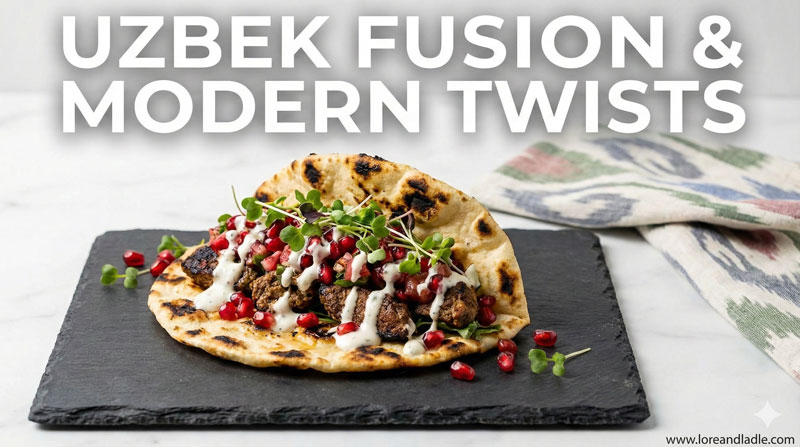
How to Make Somsa – Uzbekistani Fusion & Modern Twists Flavor You’ll Love
Somsa, a beloved Uzbek pastry, offers more than a tasty bite. In this post, we explore the dish How to Make Somsa – Uzbekistani Fusion & Modern Twists Flavor You’ll Love, and we celebrate its place in food culture. The recipe becomes a lens to view hospitality, craft, and shared meals. Expect a journey that honors technique and taste alike.
Introduction
Somsa appears in markets, homes, and street stalls with a warm scent and a crisp edge. Its charm rests in simplicity and balance: a thin, pliable crust angled around a savory filling, baked to a golden finish. This post invites you to appreciate how somsa blends tradition with creativity, turning a humble dough into a canvas for flavor.
Cultural Value and Social Significance
Somsa is more than a snack; it is a symbol of gathering and care. Families often prepare a batch together, passing the rolling pin and filling spoon from one hand to the next. In markets, cooks showcase several fillings, inviting passersby to choose and chat about favorites. Sharing somsa at tea time or during a celebration creates a sense of warmth and belonging. The dish teaches patience, as dough is rested, layered, and gently sealed. It also reflects regional pride, with each area adding its own touch—whether a particular herb, spice, or shape—that signals local taste and craft. In short, somsa embodies hospitality and a well-loved culinary tradition.
Techniques, Dough, and Texture
The core of somsa lies in the dough and how it meets the filling. A simple mixture of flour, water, salt, and a touch of oil yields a soft, elastic sheet. The dough is rolled very thin, then folded or shaped to cradle the filling. A hallmark texture emerges: a crisp outer shell that gives way to a tender interior. The craving for that contrast drives the baking method, often in a clay oven or a hot charcoal oven, which adds a gentle smokiness and an even, radiant bake. The key steps are balance, sealing, and even heat. When done well, each bite delivers a subtle chew, a flake of crust, and a satisfying aroma.
Fillings and Flavor Harmony
Fillings range from rustic to refined, and each choice reflects local preferences and seasonal produce. Common options include:
– Lamb with onions and herbs, seasoned with cumin, coriander, and black pepper.
– Beef with potatoes, peas, or grated carrot for heartier bites.
– Vegetarian twists featuring potato, pumpkin, spinach, or feta with dill.
Among spices, cumin and coriander stand as cornerstones, while garlic, chili, and fresh herbs lift the aroma. The best fillings avoid sogginess by draining moisture and ensuring balanced seasoning. Shape and seal serve a practical purpose too: they keep the filling enclosed, allowing steam and flavor to mingle inside the crust. This harmony between crust and filling is the secret of a memorable somsa.
Fusion and Modern Twists
Fusion elevates somsa from a traditional pastry to a contemporary culinary statement, without losing its essence. Modern twists can include:
– Using a mix of classic meat fillings with a hint of citrus zest or pomegranate molasses for brightness.
– Introducing cheese, mushrooms, or gadimus (spinach and herb blends) for lighter varieties.
– Swapping in alternative doughs, such as a crisp phyllo-laminate for extra crunch or a lighter pastry for a delicate bite.
– Adding nuts, seeds, or sesame on the crust for texture and aroma.
These twists honor the spirit of somsa—an adaptable, shareable pastry—while inviting new tasters to discover its charm. When executed with care, fusion notes feel natural and respectful of tradition. The result is a plate that speaks to both memory and invention, inviting conversations about flavor and craft.
Serving, Pairing, and Presentation
Somsa shines when presented warm, in neat triangles or savory wedges. A simple platter of fresh herbs, radish slices, and green tea or black tea complements the pastry beautifully. Consider these pairing ideas:
– A light yogurt dip with cucumber and dill to balance richness.
– A tangy tomato or herb-based sauce that brightens the filling.
– Small side salads that add crunch and color to the plate.
A graceful presentation—clean cuts, even portions, and a gentle dusting of sesame or nigella seeds—enhances the dining experience and signals care and hospitality.
Techniques for Excellence at Home
To make somsa at home with consistent results, follow these practical tips:
– Rest the dough after mixing, then roll it very thin to achieve a delicate crust.
– Drain filling ingredients well to prevent soggy crusts.
– Seal edges firmly to keep fillings intact during baking.
– Bake until the crust is evenly golden and the aroma envelops the room.
– If you lack a clay oven, a hot oven or grill with a stone tray can approximate the effect.
A Note on Regional Variations
Uzbek cuisine varies from city to city, and somsa reflects these regional traits. Some versions favor crisp, triangular shapes; others fold dough into compact pockets. Spices might lean toward cumin-rich profiles in one area or coriander-forward notes in another. Regardless of the variation, the dish remains rooted in shared techniques and the joy of nourishment prepared with care.
Closing Thoughts
Somsa stands as a bridge between tradition and modern tastes. It respects time-honored methods—careful dough work, measured fillings, patient baking—while inviting contemporary tweaks that broaden its appeal. The dish remains a testament to hospitality, patience, and the enduring beauty of well-made food. By exploring How to Make Somsa – Uzbekistani Fusion & Modern Twists Flavor You’ll Love, you open a doorway to a beloved culinary culture that welcomes curiosity and celebrates skill, warmth, and flavor in every bite.