
Welcome to Nasi Lemak: A Malaysian Favorite
Nasi lemak speaks softly to the morning and to gatherings alike. The scent of coconut milk, pandan, and warm rice invites you to slow down and savor. This dish carries a gentle pride that comes from everyday cooking, shared bites, and careful technique. It is inviting, comforting, and deeply respectful of tradition. In a Malaysian restaurant, you feel the same warmth you find at Home, but with a touch of refined balance.
The Core Elements: Coconut Rice, Sambal, and Sides
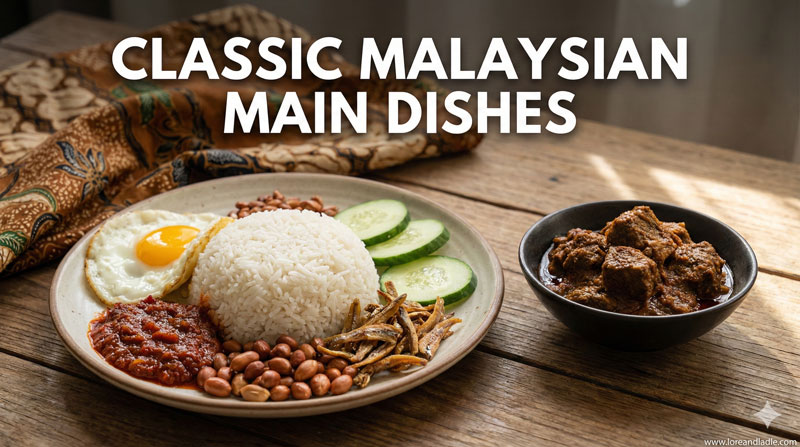
Nasi lemak starts with coconut rice. The grains are fluffy, fragrant, and just creamy enough to cling to each bite. The sambal brings a bright, spicy kick that wakes the senses without overwhelming them. Fried ikan bilis and roasted peanuts add crunch and a hint of nutty depth. Slices of cucumber offer cool contrast, and a boiled egg anchors the plate with smooth, mellow richness. Together, these elements form a harmonious plate that feels both simple and cinematic in flavor.
The Flavor Ballet: How the Elements Interact
The beauty of nasi lemak lies in balance. The mild sweetness and creaminess of coconut rice pair with a lively, chili-forward sambal. The crispy ikan bilis provides a savory crackle, while the peanuts add a gentle toastiness. Cucumber slices refresh the palate between bites. The result is a layered experience: creamy rice, bright heat, and crisp texture all in one mouthful. This balance makes nasi lemak feel complete, whether you eat it for breakfast, lunch, or a late-night bite in a restaurant setting or at home.
Techniques That Elevate Home Cooking
To reach restaurant-like depth, focus on technique as much as on ingredients. Start with rinsed rice to remove extra starch. Cook the rice in a mixture of coconut milk and water, lightly salted, and add a pandan leaf for a touch of tropical aroma. Let the rice rest briefly after cooking so the grains set. For the sambal, blend chili, onions, garlic, and shrimp paste, then simmer slowly until the oil settles on top and the flavors concentrate. Fry ikan bilis until crisp, and toast peanuts just until they glow with scent. Slice fresh cucumber and prepare a simple boiled egg to finish the plate.
Step-by-Step: Crafting the Dish Like a Malaysian Restaurant
- Rinse one cup of jasmine or long-grain rice until the water runs clear.
- In a pot or rice cooker, cook the rice with 1 cup coconut milk, 1 cup water, a pinch of salt, and a pandan leaf.
- Prepare the sambal: sauté onions and garlic, add chili paste, shrimp paste, a pinch of sugar, and a splash of oil; simmer until thick and glossy.
- Fry ikan bilis in hot oil until crisp; season lightly.
- Toast peanuts until golden; crush them lightly for texture.
- Slice cucumber and boil an egg to your preferred doneness.
- Assemble: mound the coconut rice in the center, spoon a generous circle of sambal on the side, and arrange ikan bilis, peanuts, cucumber, and egg around it.
- Serve hot and enjoy the aroma as it travels from plate to table.
Plating and Presentation: A Restaurant-Healthy Look at Home
Presentation matters. Place a neat ring of fragrant coconut rice on each plate. Spoon a bright curve of sambal nearby. Scatter crisp ikan bilis and a small pile of roasted peanuts for texture. Add cucumber slices for color and balance, and lay a halved boiled egg across the plate if you like. A light drizzle of pandan steam makes the dish look fresh and inviting. A simple banana leaf under the plate can elevate the dining experience without complicating preparation.
The Cultural Value: A Dish That Brings People Together
Nasi lemak is more than food; it is a bridge between mornings and meals shared with others. It appears in markets, family kitchens, and cozy eateries with the same sense of welcome. The dish embodies careful technique passed through families—how the rice absorbs flavor, how the sambal sings with heat, how the toppings provide texture. It is a daily treasure, enjoyed with friends, colleagues, and loved ones. Its beauty lies in its ability to meet diverse tastes while keeping a clear and respectful identity.
Final Thoughts: Embracing the Craft
Making nasi lemak at home invites you into a cook’s craft: measuring, simmering, tasting, and adjusting. It rewards patience and a willingness to balance flavors. When you plate it like a restaurant, you celebrate not just taste but the practice of cooking itself. This dish invites curiosity, care, and shared meals—a small act of cultural celebration that anyone can savor.
If you’re seeking a dish with personality and precision, nasi lemak offers both. It is a vibrant expression of Malaysian food culture, a lesson in balance, and a pleasure to cook and share.