
Introduction
Nasi Lemak is a beloved Malaysian dish that many people reach for with warmth and anticipation. It is more than a meal; it is a quiet celebration of everyday hospitality, family routines, and shared flavors. The dish invites you to slow down, savor aromatics, and notice how simple ingredients come together to tell a story of place and tradition. In this blog, we explore its cultural value and culinary significance with a respectful, non-political lens. The result is a portrait of a dish that nourishes body and spirit.
The heart of Nasi Lemak: Coconut rice and sambal
At the core is fragrant coconut rice. The rice is cooked with coconut milk and a hint of pandan leaves, giving a soft creaminess and a gentle aroma that lingers on the palate. This foundation is the canvas for everything else. The second pillar is sambal, a chili-based sauce that brings warmth, depth, and a bright finish. The balance between heat, sweetness, and a touch of sourness is deliberate, and it sets the mood for the meal. Together, the coconut rice and sambal create a contrast—cool, creamy rice against a spicy, vibrant sauce—that many people associate with comfort and Home Cooking.
The components and their quiet significance
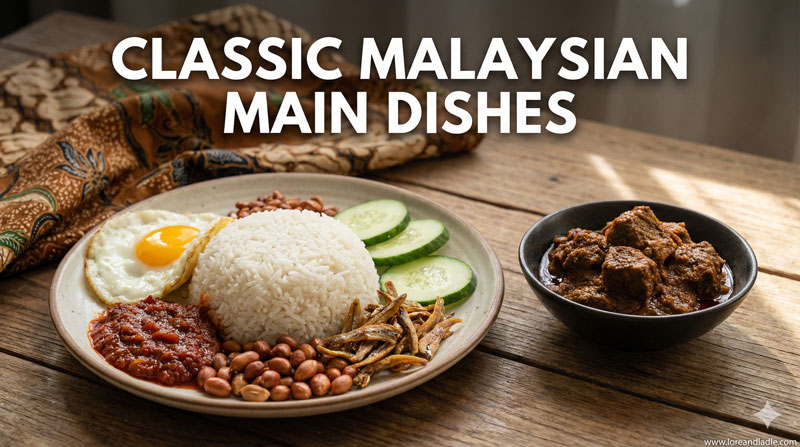
Nasi Lemak typically arrives with a few classic sides: crunchy fried ikan bilis (tiny anchovies), roasted peanuts for texture, crisp cucumber slices for freshness, and a boiled egg for protein and color. Each element plays a role without stealing the show. The ikan bilis adds a salty bite and a satisfying crunch. Peanuts offer nutty warmth, echoing the dish’s toasty notes. The cucumber cools the palate between bites, and the egg provides a smooth, mellow counterpoint. When you add optional toppings like fried chicken or a serving of rendang, you see how flexible the dish can be while still honoring its essential balance. This versatility reflects a culture that values both tradition and adaptation.
A flavor journey: balance and technique
The beauty of Nasi Lemak lies in balance. The smooth coconut rice must not be overwhelmed by the sambal; instead, they should complement one another. The technique matters: gentle simmering of rice in coconut milk, careful to preserve the fragrance, and a sambal cooked to a glossy, fragrant finish. The result is a sensory journey in a single plate—creamy, spicy, salty, and bright all at once. This balance is not accidental; it mirrors a broader culinary philosophy found in many Malaysian kitchens, where harmony among flavors is a daily aim.
Cultural value in daily life: nourishment and togetherness
Nasi Lemak holds a special place in everyday life. It appears in bustling markets, in home kitchens, and at street stalls, offering a sense of accessibility and comfort. It is common to see families sharing plates during casual meals, friends gathering for a quick bite before a busy day, or colleagues enjoying a simple lunch that feels both familiar and satisfying. The dish is adaptable to different moods and occasions, yet it remains instantly recognizable. In this way, Nasi Lemak functions as a cultural touchstone—an edible reminder of warmth, hospitality, and shared moments. Its presence in daily life helps weave a sense of continuity and belonging across communities.
Regional variations: the dish in different places
Across Malaysia, you will encounter small but meaningful variations. In some regions, sambal may lean toward a sweeter profile, while in others it carries a sharper, spicier edge. The rice might be scented with a slightly different balance of pandan or coconut, depending on local preferences. Toppings can shift too, with households adding their own twists to reflect family recipes or neighborhood tastes. Even within a single city, you may discover subtle differences in the way nasi lemak is plated or served at different stalls. These regional nuances enrich the dish without changing its core. They highlight a living cuisine that honors memory while inviting fresh interpretation.
Modern interpretations: keeping tradition lively
Today, cooks experiment with presentation and pairings while preserving the essential elements. A plate may feature a more generous portion of sambal for those who crave heat, or an extra scoop of peanuts for crunch. Some chefs present nasi lemak-inspired bowls with contemporary toppings for convenience and variety. Yet even in modern forms, the spotlight remains on the comforting texture of coconut rice and the vibrant edge of sambal. This evolution shows that cultural foods can stay relevant by honoring their roots and welcoming new textures, techniques, and tastes.
How to enjoy: tips for tasting and pairing
To truly enjoy Nasi Lemak, start with the aroma. Breathe in the fragrance from the coconut rice and pandan, then the heat and brightness from the sambal. Take a small bite of the rice, followed by a dab of sambal. Listen for the gentle crack of peanuts and the snap of ikan bilis. Pair the dish with something cool to cleanse the palate, such as sliced cucumber or a light tea. In the morning or evening, nasi lemak works well with a little protein added, keeping the meal balanced and satisfying. The goal is to experience harmony: texture, aroma, and flavor working together to create a comforting, memorable bite.
A closing note: the beauty of a shared meal
Nasi Lemak stands out because it embodies comfort, craft, and community in a single plate. It invites people to pause, savor, and connect—whether at a lively market stall or a quiet kitchen table. Its culinary significance comes from the careful layering of aroma, texture, and taste, all rooted in familiar ingredients and honest technique. The dish remains a testament to the beauty of Malaysian cooking: thoughtful preparation, warmth, and a Love for sharing food with others. If you are curious about Malaysian cuisine, nasi lemak is a welcoming place to start, inviting you to explore further flavors and the people who celebrate them every day.