
Introduction
From Malaysia to America, Nasi Lemak invites home cooks to celebrate balance, aroma, and warmth. This dish holds a special place in food culture through its thoughtful pairing of simple ingredients. It welcomes conversation at the table and invites curiosity about technique and flavor. In this guide, we explore its cultural value and culinary significance, and how a home kitchen can honor its roots while making it its own.
What Nasi Lemak Is
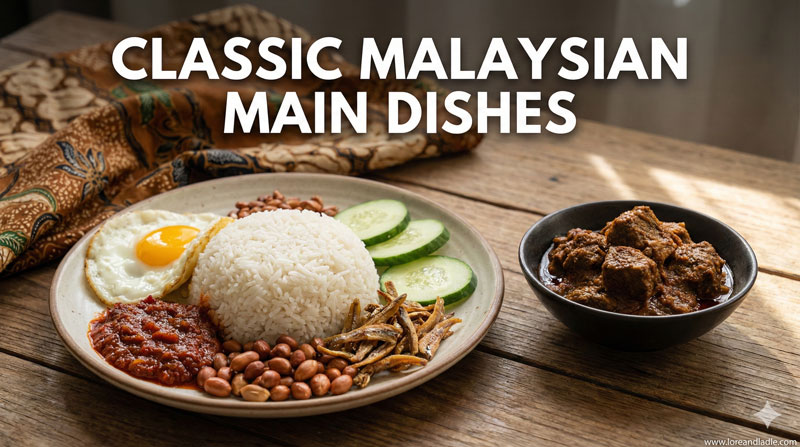
Nasi Lemak centers on coconut rice. The rice is cooked with coconut milk and a hint of pandan leaf for fragrance. It is served with sambal, fried ikan bilis (tiny anchovies), roasted peanuts, cucumber slices, and a boiled or fried egg. Many plates include a protein such as fried chicken or beef rendang as an optional companion. The combination creates a harmonic mix: creamy rice, spicy-sweet sambal, crunchy nuts, and bright, cool vegetables. This balance is the essence of the dish’s culinary appeal.
Flavor, Texture, and Technique
The beauty of Nasi Lemak lies in its contrasts. The rice carries a gentle sweetness from coconut and a soft perfume from pandan. Sambal adds heat, depth, and a touch of acidity. Crispy ikan bilis provides bite and saltiness, while roasted peanuts offer a nutty crunch. Fresh cucumber slices brighten every bite, and the egg adds a mellow richness. in the kitchen, timing matters. Steam the coconut rice until it is fluffy, not sticky. Prepare a vibrant sambal with slow-cooked aromatics and a bright finish. Assemble with care, so each component is distinct yet harmonious on the plate.
In Malaysia: Cultural Value
Nasi Lemak often graces breakfast tables, market stalls, and family meals. It is a dish that brings people together with its approachable, comforting profile. The ritual of assembling the plate—scooping fragrant rice, spooning sambal, scattering peanuts, and laying out crisp ikan bilis—creates a shared moment of connection. Its adaptability mirrors everyday life: it can be simple for a quick morning meal, or substantial for a weekend feast with friends. The dish embodies hospitality, inviting guests to start with aroma, then savor each element in turn.
A Home Cook’s Guide in America
In many American kitchens, Nasi Lemak travels through curiosity and careful adaptation. Here are practical ways to embrace its essence at Home:
- Choose the rice: long-grain varieties like jasmine or basmati work well. Rinse and cook with coconut milk, a little water, and a pinch of salt to capture the coconut aroma.
- Craft the sambal: blend red chilies with garlic and shallot. Add a touch of sugar, salt, and a splash of lime juice. A small amount of shrimp paste (belacan) can deepen flavor, or skip it for a milder version.
- Prepare toppings: keep crispy ikan bilis or substitute with fried shallots for crunch. Have roasted peanuts ready and cucumber slices chilled for freshness.
- Assemble with care: start with a bed of coconut rice, top with sambal, arrange the toppings, and finish with the egg and any additional protein.
- Substitutions and variations: in America, accessibility matters. If fish options aren’t desired, you can add plant-based proteins or simply enjoy the dish with extra vegetables. The core idea remains: creamy rice, vibrant sambal, and textural contrast.
Plating, Plurality, and Pairings
Presentation respects the dish’s communal spirit. Use a wide plate or a banana leaf if available to frame the components. Offer lime wedges or sliced cucumber on the side for brightness. Pair with a light tea or sparkling water to refresh the palate between bites. The plate remains inviting and balanced, encouraging slow savoring and conversation.
Conclusion
Nasi Lemak serves as a bridge between culture and daily delight. Its coconut aroma, spicy-sweet sambal, and crunchy companions form a recipe of harmony. In America, home cooks can honor its roots while embracing personal preferences and local ingredients. The dish rewards careful preparation and generous sharing, making it a memorable staple in any kitchen. Try preparing it with attention to balance, and let the familiar comforts and vibrant flavors invite you to linger at the table.