
Introduction
Better-Than-Takeout Beef Rendang You Can Make in Your Own Kitchen invites you into a kitchen where slow cooking becomes a celebration of culture. This dish is more than a meal; it is a story told through aroma, texture, and balance. The beef becomes tender and deeply flavorful, while the spice mix carries history in every note. In many homes, rendang is a favorite for gatherings and everyday meals alike, a reminder that careful hands and patient timing can create something truly memorable.
The Essence of Rendang
Rendang centers on a rich coconut milk sauce that gradually reduces as spices awaken. The aroma releases first, with lemongrass and galangal lifting the air. Then come garlic, shallots, chilies, and a spice paste that darkens and thickens the sauce. The flavor is warm and complex: nutty coconut, bright citrus rind, peppery heat, and a hint of sweetness from palm sugar. The result is a dish that feels both comforting and festive, with a depth that lingers after the last bite.
What makes rendang distinctive is its texture. The sauce slowly dries, clinging to the meat and leaving a glossy sheen. The beef absorbs the spice slowly, becoming enriched rather than overwhelmed. This transformation is a craft, one that honors patience and precision in the kitchen. The dish invites savoring, bite by bite, as the flavors unfold.
Culinary Technique and Regional Flair
The heart of rendang lies in technique. A generous spice paste is crushed or blended, then cooked gently with coconut milk and stock. The heat is steady, not rushing the process. As moisture evaporates, the sauce thickens and clings to each piece of beef. This careful reduction is where most of the magic happens.
Regional variations add character without erasing a shared identity. In some kitchens, a touch more lemongrass or a hint of kaffir lime leaf brightens the profile. In others, the balance leans toward a deeper, roasted warmth with longer simmering. Both approaches honor the same method: a long, slow braise that concentrates flavor and tenderness. Home Cooks can adjust heat, sweetness, and spice to suit their family palate, while keeping the essential spirit of the dish intact.
Cultural Value in Everyday Life
Beef rendang holds a meaningful place in Southeast Asian food culture as a dish that brings people together. It appears in family celebrations, weekend meals, and special-occasion menus. The preparation itself is a shared ritual: gathering spices, marinating, and standing by the pot as the aroma fills the room. In this way, rendang becomes a bridge between generations, linking grandmothers’ lessons with the curiosity of cooks trying it for the first time.
Hospitality shines in rendang. When a kitchen prepares this dish, it often signals a welcome to guests and a willingness to share something precious. The slow transformation—accomplished with care and patience—mirrors values of generosity and attention. The result is not just a plate of beef; it is an invitation to linger at the table, to enjoy conversation, and to appreciate the beauty of a dish that rewarded quiet, mindful work.
Serving, Pairings, and Everyday Joy
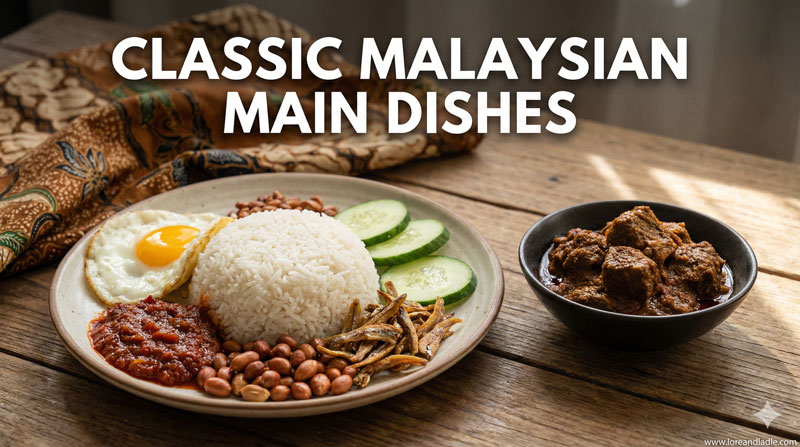
Rendang is most often paired with plain steamed rice, which provides a neutral canvas for the spice and richness to shine. Fresh vegetables or a simple cucumber salad offer bright contrast. A squeeze of lime can lift the dish just before serving, while a handful of fried shallots adds a final touch of texture.
The beauty of rendang lies in its balance. The heat remains approachable, the coconut for sweetness, and the spice blend for depth. This harmony makes the dish accessible to many palates, so it can be a centerpiece in a casual weeknight meal or a highlight of a more formal gathering.
A Window into Southeast Asian Kitchen Culture
Beyond flavor, rendang offers insight into the patience and craft that define Southeast Asian cooking. The slow reduction, the careful toasting of spices, and the layering of aroma reflect a culinary philosophy that values time spent developing flavor. The dish is a testament to how simple ingredients—beef, coconut milk, and spices—can become something elevated through technique and love of a shared meal.
Regional adaptations celebrate diversity within a common framework. Each kitchen adds its own touch, preserving a sense of place while highlighting a universal joy: good cooking is something you do for others, not just for yourself. Rendang shows how food can be both everyday nourishment and a memorable culinary experience.
Quick Tips to Elevate the Home Rendang
- Use a wide pan to promote even evaporation and a rich glaze.
- Brown the beef first to build depth of flavor, then add the spice paste.
- Fresh spices and a well-made paste lift the dish; grind or blend just before cooking.
- Simmer slowly and monitor moisture; a drier finish intensifies the rendang character.
- Let the dish rest for a few hours or overnight if possible; flavors deepen with time.
Conclusion
Better-Than-Takeout Beef Rendang You Can Make in Your Own Kitchen invites you to savor a dish that blends flavor, technique, and cultural warmth. It is a celebration of patient cooking, generous hospitality, and the timeless joy of sharing a meal. In every bite, you taste not only tender beef and fragrant spices but also the care and community that surround this beloved dish. Whether you cook for a quiet night at Home or a gathering with friends, rendang offers a gateway to the beauty of Southeast Asian cooking—accessible, respectful, and wonderfully satisfying.