
Introduction
Ayam Masak Merah, a bright and fragrant Malaysian classic, is catching the attention of U.S. food lovers today. This dish invites you to slow-simmer a chicken feast in a glossy red sauce, then serve it with steaming rice and a few crisp accompaniments. The result is a balanced plate that feels festive, comforting, and deeply rooted in Home Cooking. In this post, we explore its cultural value and culinary significance with warmth and clarity, so you can appreciate not just the taste, but the story it tells about Malaysian flavors and cooking craft.
Ayam Masak Merah: A snapshot of a Malaysian classic
Ayam Masak Merah translates roughly to “red-cooked chicken.” The name signals the starring color and the inviting aroma that rises from the pot. The dish embodies everyday excellence: a homey recipe that elevates familiar ingredients—chicken, onions, garlic, tomatoes, and spices—into a sauce with lacquered shine and a gentle bite. It is versatile enough for Casual weeknights and special family meals alike, making it a staple that travels well from kitchen to table. The sauce’s ruby hue comes from ripe tomatoes and chili elements, blended with a comforting creaminess that often comes from coconut milk or evaporated milk. The result is a dish that feels at once simple and thoughtfully crafted.
The technique that gives it its glow
The heart of Ayam Masak Merah lies in patient layering. Chefs brown chicken pieces to develop flavor, then braise them gently in a simmering sauce. The timing matters: the sauce thickens as flavors mingle, and the chicken absorbs the tangy-sweet-spicy profile characteristic of the dish. This is not a rushed sauce; it rests there, allowing tomatoes and spices to harmonize with the meat. The final glaze is a smooth, glossy coat that clings to each piece, inviting you to take another bite. The technique highlights a key principle of Malaysian home cooking: build flavor through successive additions, then let the ingredients talk to each other in a calm, steady simmer.
Core ingredients and their roles
- Chicken: typically bone-in pieces for tenderness and flavor, though breast can be used for quicker meals.
- Onions and garlic: aromatic foundations that sweeten as they soften.
- Tomatoes or tomato paste: provide brightness and a natural tang.
- Chilies or chili paste: deliver the characteristic warmth and color.
- Spices and herbs: a blend such as coriander, cumin, and a hint of turmeric deepen the profile.
- Coconut milk or evaporated milk: enrich the sauce, adding creaminess and balance.
- Optional aromatics: lemongrass, ginger, and a touch of sweet palm sugar or palm sugar substitute to round the acidity.
Each element plays a precise role, from color to aroma to mouthfeel, and together they create a sauce that feels both familiar and distinctly Southeast Asian.
Flavor map: sweet, tangy, and spicy
Ayam Masak Merah is a thoughtful balance of contrasts. The sweetness comes from onions and a touch of sugar, while the tang from tomato provides lift. The heat from chilies is present but calibrated, so the dish remains approachable rather than aggressive. Coconut milk helps to soften the bite and weave the flavors into a mellow, inviting finish. This harmony makes it appealing to a broad range of palates, including those who enjoy bold spice but also crave a comforting, sauce-forward experience.
Cultural value in Malaysian food culture
In Malaysian kitchens, Ayam Masak Merah is a favorite for its reliability and warmth. It is a dish families reach for when gathering around the table after a busy day, and it is often prepared for weekend meals or special occasions. The preparation invites shared labor—chopping, browning, simmering—making it a dish that brings people together in a rhythmic, collaborative cooking rhythm. The red sauce signals celebration and generosity, inviting everyone to partake. Over time, variations emerge from different households, reflecting personal touch and regional preferences, yet the core idea remains: a lovingly cooked, sauce-rich chicken dish that celebrates color, aroma, and togetherness.
Serving traditions and pairings
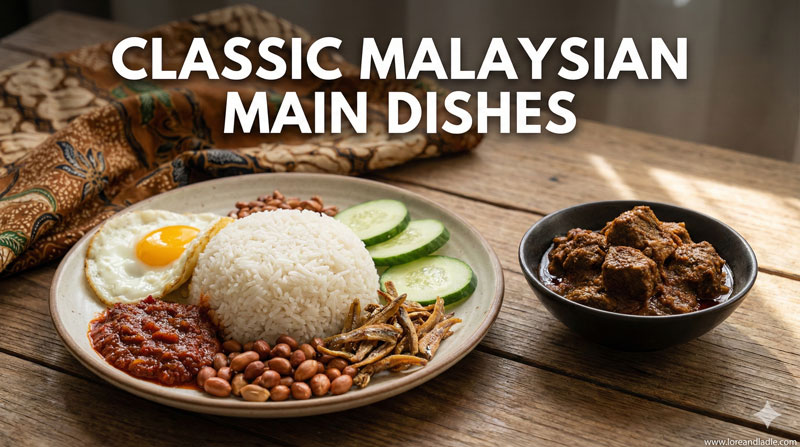
The traditional pairing for Ayam Masak Merah is simple and satisfying: fragrant steamed rice that acts as a neutral canvas for the sauce. A crisp cucumber or tomato side can provide refreshing contrast, while a small dollop of sambal or chili paste adds an extra spark for those who love more heat. Fresh herbs or a squeeze of lime can brighten the dish just before serving. The beauty lies in balance: the plate should feel cohesive, not crowded, with the red sauce shining beside the pale rice and the meat yielding to the soft bite of the aromatics.
Regional variations and personal touches
Every kitchen may offer a slightly different take on Ayam Masak Merah. Some cooks favor coconut milk for a creamy finish, while others opt for a lighter, tomato-forward version. The level of spiciness can be tuned by adjusting chili paste or fresh chilies, and a dash of tamarind juice can introduce a bright, tangy note in some family recipes. Additional aromatics, such as lemongrass or curry leaves, give the sauce a distinctive regional nuance. These variations celebrate personal taste and local ingredients while preserving the dish’s core identity: a red, braised chicken with depth and warmth.
Practical tips for home cooks
- Start with a sound browning of the chicken to build a savory foundation.
- Use ripe tomatoes or a flavorful tomato paste to achieve that bright red hue and tang.
- Taste as you go: adjust salt, sweetness, and acidity to your preference.
- If the sauce tightens too quickly, add a splash of water or stock and simmer longer.
- Finish with a light stir of coconut milk or evaporated milk off the heat for a silky sheen.
- Serve with steady, fluffy rice and keep portions moderate to let the sauce shine.
These practical steps help you capture the dish’s characteristic balance and glossy finish in a home kitchen.
Why this dish resonates with modern food lovers
Ayam Masak Merah offers a meaningful bridge between comforting home cooking and vibrant, contemporary dining. Its color and aroma invite curiosity, while its technique rewards patience and care. For many food lovers, the dish signals a culinary tradition that respects both bold flavors and gentle textures. In today’s kitchen conversations, it stands out as a dish that is easy to love, moderately adventurous, and deeply satisfying—perfect for sharing with friends who enjoy exploring regional flavors through approachable, well-crafted recipes.
Conclusion
Ayam Masak Merah is more than a recipe; it is a celebration of color, aroma, and the careful craft of Malaysian cooking. Its bright red sauce wraps around tender chicken, delivering a balanced bite that lingers in memory. This dish’s cultural value lies in its everyday accessibility, its role in family meals, and its ability to travel through kitchens while preserving a sense of place and tradition. For U.S. food lovers looking for a new, flavorful experience, Ayam Masak Merah offers a warm invitation to savor a beloved Malaysian classic and to appreciate how simple ingredients, thoughtfully combined, can illuminate a culture’s culinary artistry.