
Introduction
Murtabak is Malaysia’s comforting street-side treasure. It blends a paper-thin pancake with a savory or sweet filling. This dish sits at the heart of everyday meals, festival gatherings, and late-night cravings. Its presence at street stalls and home kitchens speaks to a culture that values sharing and craft. The dish travels from neighborhood to neighborhood, carrying familiar warmth and inviting curiosity. In this post, we celebrate its cultural value and culinary significance. We explore how it is made, why it delights, and where you might taste its many twists.
What is Murtabak?
Murtabak is a folded, stuffed pancake. The outer layer becomes crisp at the edges as it cooks. Inside, cooks tuck a seasoned mixture of minced meat, onions, herbs, and sometimes egg. The pan is flipped until the crust browns and the filling stays moist. In Malaysia, you find both savory Murtabak and the sweeter Murtabak Manis. The savory version often pairs with curry gravy or pickles, while the sweet version delights with sugar and kaya flavors. The dish adapts to many moods, making it a versatile staple.
The Craft Behind the Crust
The crust showcases a cook’s skill. Cooks stretch dough on a hot griddle and brush it with fat to help it crisp. They seal the edges with care so the filling stays tucked inside. The pan stays hot, and timing matters. A perfect murtabak balances a delicate center with a crackling, fragrant crust. Each bite carries aromas of spices, onions, and herbs. The craft blends technique with intuition, learned in busy stalls or home kitchens.
Filling and Flavor
Savory murtabak centers on meat seasoned with onions, garlic, chili, and herbs. Some kitchens add an egg to bind the filling. Regional cooks vary spices and herbs to reflect local tastes. The result is a bouquet of warmth: peppery, oniony, and savory. Sweet Murtabak Manis contrasts with a rich, glossy finish. Fillings may include palm sugar, butter, pandan, or kaya, offering caramel, coconut, and vanilla notes. The dish’s dual nature shows how a single formula yields multiple experiences.
The Street Food Scene
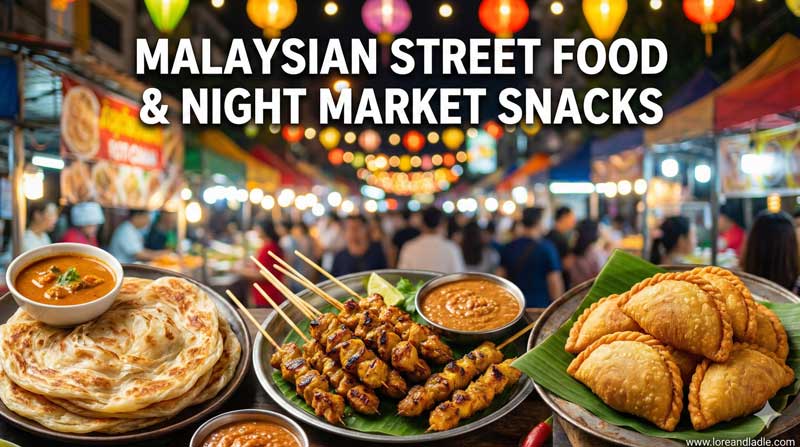
Murtabak shines in hawker centers, night markets, and quiet neighborhood stalls. Vendors greet customers with smiles and a quick flip of the pan. Friends gather around a shared plate, easing into conversations as they eat. The dish travels from stall to table through simple rituals of service and conversation. The aroma draws passersby and invites a moment of pause. This social rootedness is part of its cultural value, turning a meal into a small celebration.
Culinary Significance in Malaysia
Murtabak serves as a comfort food in many homes and stalls. It marks moments of casual dining after a long day. Families prepare fillings that pass from one generation to the next. The dish adapts to household tastes while keeping its familiar soul. It embodies Malaysian hospitality through warm portions and sharing. The savory and sweet paths offer contrasts that delight the palate while honoring tradition. In this way, murtabak anchors everyday life in Malaysia’s food culture.
Regional Variations
Across Malaysia, cooks tailor fillings and spice blends. In coastal towns, there are seafood-inspired options. In city centers, beef and chicken versions appear with varied onion and herb notes. Some kitchens drizzle curry sauce for dipping, while others rely on a simple chutney. These twists show how a core recipe travels and evolves, yet remains instantly recognizable. The result is a family of dishes tied to place and memory.
How to Enjoy
Begin with a fresh piece hot off the griddle. Scoop in curry or pickles to add moisture and brightness. A small cup of strong tea or coffee completes the meal. Share a plate with friends or family to savor conversation along with taste. This simple pattern makes murtabak a social and sensory pleasure. It invites you to slow down and notice the craft behind every bite.
Conclusion
Murtabak is more than a meal. It acts as a bridge between everyday life and celebration. It shows how skill, patience, and Love for cooking create comfort food with cultural resonance. Taste and tell its story, and you join a living tradition.