
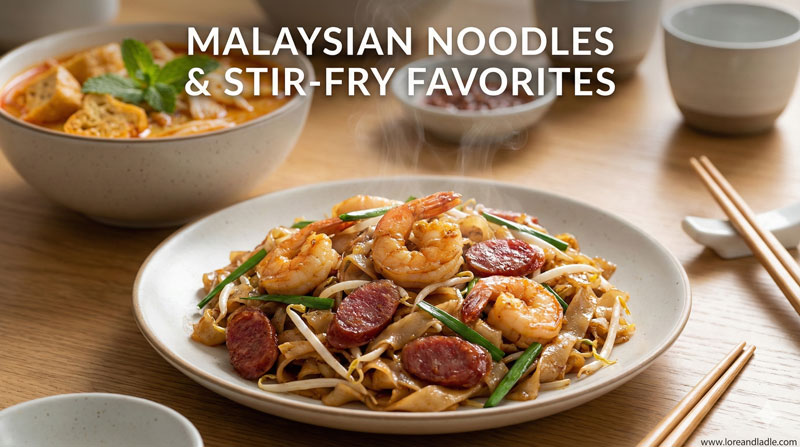
Easy Char Kway Teow at Home With Ingredients From Any U.S. Grocery Store
Char Kway Teow is a bright, fast stir-fry that speaks to a culture of quick, flavorful meals. This version brings the dish into home kitchens with ingredients you can find at most U.S. grocery stores. It offers more than taste; it carries a sense of place, shared memories, and everyday celebration around a single skillet. The dish invites cooks of all levels to explore a vibrant tradition while keeping the process straightforward and approachable.
A Dish with Warmth and Shared Moments
Char Kway Teow shines because it centers on communal eating and neighborhood flavors. In home kitchens, the dish becomes a canvas for connection. Families gather around the stove as the wok heats and the aroma fills the room. The sizzling sound and glossy strands of noodles signal a simple, joyful moment: a meal prepared with care, meant to be shared with friends and loved ones. The cultural value lies in how the dish welcomes people to the table, encouraging conversation, tasting notes, and a sense of belonging around a familiar plate.
Culinary Significance: Technique, Flavor, and Texture
The magic rests in balance and technique. The dish relies on a quick, high-heat stir-fry that creates a light smoky kiss known as wok hei. This aroma comes from fast tossing of ingredients in a hot pan, not from heavy sauces. Savory notes come from a blend of soy sauces and, often, a touch of oyster sauce. A hint of sweetness rounds the flavors, while a touch of saltability and umami depth keep the dish satisfying. Textures matter too: smooth, slippery noodles contrast with crisp garlic, the gentle bite of beansprouts, and bright green chives. When done well, the result is a glossy, savory plate that tastes both bright and comforting.
Shopping for Easy Char Kway Teow in a U.S. Grocery Store
You can assemble the essentials from mainstream stores with a few strategic choices. Consider these core components:
– Flat rice noodles (hor fun) or wide, flat rice noodles
– Proteins: shrimp, thinly sliced pork, or eggs; tofu for a vegetarian option
– Aromatics: garlic, shallots, and fresh Chinese chives
– Sauces: light soy sauce, dark soy sauce, and a small amount of oyster sauce or mushroom sauce
– Add-ins: bean sprouts and, if available, cockles or small shellfish for a traditional touch
– Oil for cooking; a dash of white pepper if desired
Tips for the U.S. market: fresh noodles give the best texture, but dried noodles work nicely when soaked and refreshed. Look for flexible noodles rather than very brittle ones. If you can’t find Chinese chives, scallions are a good stand-in. For seafood or meat, choose what fits your budget; the dish shines with any combination.
Quick Home Cooking: A Simple Path to Authentic Flavor
- Start with a hot wok or wide skillet and a small amount of high-heat oil.
- Sauté aromatics quickly, then add proteins, followed by noodles.
- Stir in sauces and a splash of water to coat the noodles evenly.
- Finish with vegetables and a final toss to merge flavors.
- Serve immediately to capture the freshness and the crisp-tung aroma.
This approach keeps the method accessible while honoring the dish’s bright contrasts and aroma. The result is a comforting, expressive meal that travels well from market to table.
Final Thought: A Timeless Plate for Modern Tables
Easy Char Kway Teow at Home shows how a historic street dish can adapt to a contemporary kitchen. It respects tradition through its flavor balance and cooking speed, while inviting cooks to make the dish their own. The beauty of this plate lies in its universal appeal: bold taste, quick work, and a shared moment around the table. Whether you’re cooking for one or inviting friends over, this dish offers a flavorful link to a vibrant culinary culture and a warm, welcoming table.