
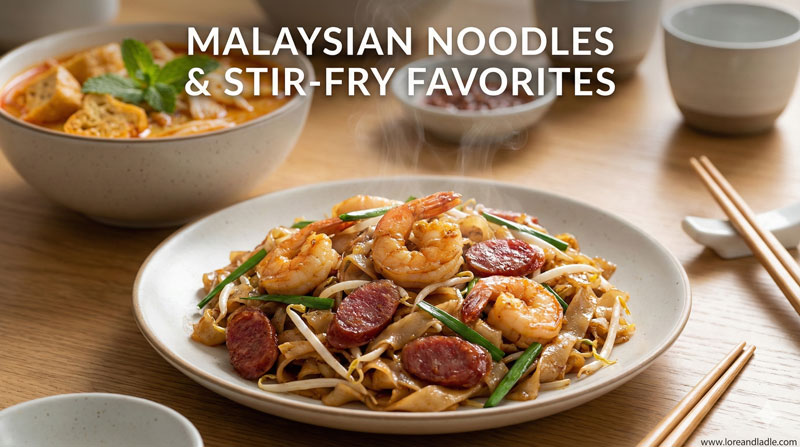
How to Make Hokkien Mee Just Like a Malaysian Restaurant
Hokkien Mee is a dish that invites people to gather around a hot pan and share a moment of flavor and friendship. In Malaysian kitchens, this plate becomes a celebration of fresh seafood, bright aromatics, and a glossy, savory sauce. The beauty lies in balance: the chew of noodles, the brininess of seafood, and a smoky finish from a hot wok. When you cook it well, the scent fills the room and makes everyone take a hungry, hopeful breath.
What is Hokkien Mee?
Hokkien Mee is a beloved noodle dish that blends textures and colors in one fragrant bowl. It centers on noodles fried with garlic, onion, and a sauce that carries soy and sometimes a hint of sweetness. Seafood such as prawns and squid often join the mix, along with slices of pork or chicken. Egg adds richness, while vegetables offer crunch and freshness. Each bite carries a harmony of salty, savory, and umami notes that echo seaside markets and cheerful street stalls.
The Cultural Value of Hokkien Mee
This dish speaks to how food brings people together. It arrives at the table with an inviting aroma that signals a shared meal. Cooks prize technique and timing, especially the quick, decisive stir that creates a glossy surface and a bright wok aroma. Hokkien Mee also showcases regional flavor, with cooks adapting the recipe to local ingredients and preferences. The result is a plate that feels familiar yet full of character, inviting conversations about practice, memory, and careful sourcing. In homes and restaurants alike, the dish honors craft, patience, and the joy of eating together.
Core Flavors and Culinary Techniques
A key element is the wok hei—the subtle, smoky breath that comes from high heat and fast tossing. Achieving wok hei requires a hot pan, a steady rhythm, and timely additions of ingredients. The sauce forms a glossy coat that clings to every noodle. Flavor comes from a confident balance: soy for depth, a touch of sweetness, salt from stock or seafood, and brine from the seafood itself. Fresh garlic and shallots lift the dish, while a quick sear on proteins seals flavor and keeps them tender. The result is a tangle of noodles with bright highlights and a lingering savory finish.
Essential Ingredients
- Noodles: thick yellow egg noodles and, in some versions, rice noodles for contrast
- Aromatics: garlic, shallots, and a bit of white pepper
- Proteins: prawns, squid, and thinly sliced pork or chicken
- Vegetables: bean sprouts and sliced greens or chives
- Sauces: light soy sauce, dark soy sauce, and a touch of oyster sauce
- Stock or broth: a small amount to lightly moisten and deepen the sauce
- Finishing touches: eggs, and optional chili paste or sambal for warmth
Note: You can adjust portions to suit clear preferences. The dish welcomes substitutions that preserve the balance of texture and savor.
Step-by-Step: Cooking Like a Malaysian Restaurant
1) Prepare all ingredients before you start, so the wok remains hot. 2) Heat oil in a wide wok until shimmering. 3) Sauté garlic and shallots quickly until fragrant. 4) Add the proteins and cook just until they start to color. 5) Stir in noodles and mix with light soy, dark soy, and oyster sauce. 6) Add a splash of stock if the dish looks dry, then toss vigorously to coat every strand. 7) Push the noodles to one side, scramble the egg in the pan, then fold it through. 8) Finally, toss in bean sprouts and greens, season to taste, and remove from heat while the surface gleams. 9) Serve hot, with a final pinch of freshness from herbs or scallions.
Plating, Pairings, and Social Joy
Scoop the noodles into bowls so the glossy sauce clings to every bite. A light squeeze of lime brightens the flavors, while a small spoon of chili paste brings gentle heat. Serve alongside simple cucumber slices or fresh herbs to cleanse the palate between bites. The presentation should feel inviting and generous, signaling that sharing is part of the meal. In many homes and eateries, Hokkien Mee is a dish that invites stories, memories, and a sense of welcome.
Keeping the Craft Alive at Home
Practice matters most. Start with a well-preheated pan and small, confident movements. Focus on balance: sauce, noodles, and seafood all need room to shine. Taste often, and adjust salt, sweetness, and heat gradually. As you cook, notice how the aromas rise and how the noodles absorb the glossy coating. The dish rewards patience and care, and each kitchen offers its own signature touch. In this way, Hokkien Mee remains a living, breathing part of the culinary landscape—bright, tasty, and deeply satisfying.