
Weeknight-Friendly Hokkien Mee Ready in Under an Hour: A Taste of Culture and Craft
Weeknight-Friendly Hokkien Mee Ready in Under an Hour celebrates a dish that lives at the heart of home cooking. It is not only about speed; it is about how a single skillet can carry the memory of markets, kitchens, and shared meals. This dish invites families to gather, savor depth, and appreciate the balance of technique and tradition. It is a tribute to how bright flavors and practical cooking can coexist in today’s busy evenings.
The Core of Hokkien Mee: Flavor, Nurture, and Craft
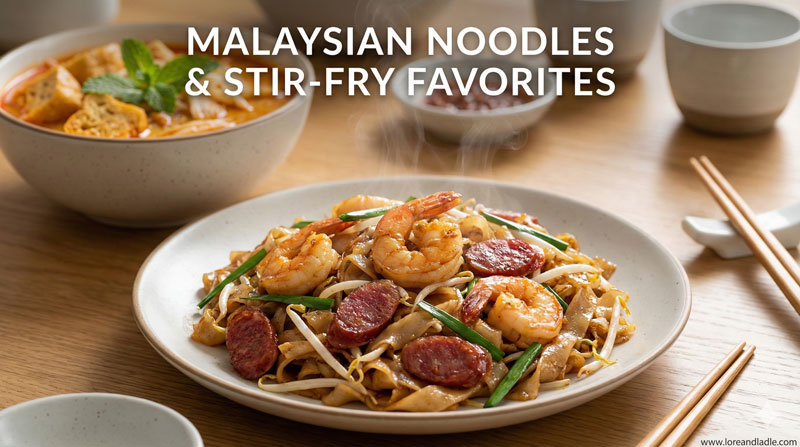
Hokkien Mee is a noodle dish beloved for its generous, savory character. The noodles soak up a rich, smoky broth and a chorus of aromatics. The beauty lies in the harmony between sea hints—prawns and squid—and meat notes—small strips of pork or chicken. Juicy bites meet tender noodles, and the dish finishes with a glossy, lacquered look from soy and caramel. This combination creates a comforting, multi-layered experience that feels both everyday and special. The result is a plate that speaks of careful planning, frugal efficiency, and joyful indulgence all at once.
Technique as a Cultural Language
In this weeknight version, the technique becomes a language that Home Cooks speak fluently. A quick, high-heat stir-fry sears the ingredients, seers in flavor, and preserves the texture of the noodles. The sauce is built with purpose: a splash of seafood stock or broth, a touch of light soy for brightness, and a hint of dark soy for depth. Fresh aromatics—garlic, shallots, and a kiss of chilies—lift the dish without overpowering it. The secret is timing: add the noodles when the wok is hot, toss with speed, and finish by tossing through a final glaze so every strand shines. This method highlights how tradition can adapt to modern rhythms while preserving the soul of the dish.
An Aroma-Driven Experience: Wok Hei and the Food Clock
The aroma tells a story before the first bite. Wok hei, the slight char and breath of a hot wok, appears when heat meets quick motion. It is a signature of skilled home cooking and restaurant-level technique alike. In Weeknight-Friendly Hokkien Mee, this aroma signals that the dish is more than a meal; it is a moment of shared gratitude for a speedy, satisfying dinner. The sensory note—smoky, savory, with a delicate sweetness—speaks to a culture that values balance and care in everyday meals.
Ingredients as Cultural Markers
The dish depends on a few key elements: a confident stock, sturdy noodles, seafood, and a bright finish of vegetables. The stock anchors the dish with umami; the noodles carry weight and texture; seafood adds sweetness and a coastal memory; and fresh vegetables bring color and crunch. This combination mirrors a culinary philosophy: let modest, well-chosen ingredients shine through thoughtful technique. When these parts come together quickly, the result is a dish that feels both accessible and thoughtfully crafted.
Where It Belongs in the Table Beautifully
Weeknight-Friendly Hokkien Mee sits well in a family meal, a casual dinner with friends, or a comforting solo night when time is tight. It demonstrates that a home kitchen can deliver restaurant-level pleasure without long planning. The dish also invites playful customization—swap in available seafood, adjust the level of heat, or add greens for brightness. The flexibility speaks to a culture that values resourceful cooking and mindful eating. It is a reminder that food can be both dependable and exciting, sustaining people with warmth and personality.
The Social Cadence of a Weeknight Dish
This dish embodies social cooking: it invites quick conversations, shared bowls, and the rhythm of routine. A weeknight meal can still feel ceremonial when the preparation is deliberate and the plate is generous. The act of stirring, tasting, and adjusting together strengthens everyday bonds. In this sense, Weeknight-Friendly Hokkien Mee is more than sustenance; it is a small ritual that marks the end of a hectic day with the comfort of nourishment and companionship.
A Culinary Bridge: From Market to Table
From market to table, the dish reflects a bridge between fresh ingredients and home technique. Farmers’ produce, seafood, and pantry staples converge in a single, satisfying plate. The method honors that bridge by putting fresh elements at the forefront and letting a few well-chosen seasonings do the rest. In this way, the dish models a mindful approach to cooking: respect the ingredients, move with confidence, and let time-saving steps keep the flavor intact. The result is a weeknight-friendly experience that feels grown-up, yet warmly accessible.
A Neutral, Respectful Culinary Voice
The dish is welcomed by many kitchens because its core values are clear: balance, speed, and care. It demonstrates that traditional flavors can be honored while adapting to busy life. The tone of the dish remains respectful to the craft, with attention to how heat, timing, and seasoning interact. This neutrality allows the dish to be shared across households, inviting diners to discover a shared appreciation for well-made food and thoughtful cooking.
Closing Thoughts: The Beauty of a Well-Executed Weeknight Meal
Weeknight-Friendly Hokkien Mee Ready in Under an Hour is a celebration of culinary value and cultural craftsmanship. It shows how a classic dish can respond to modern schedules without losing its essence. It invites cooks to embrace technique, savor aroma, and enjoy the comfort of a complete, satisfying meal. In every bite, the dish honors kitchen skill, ingredients chosen with care, and the simple joy of gathering around the table after a day’s work. This is a plate that speaks softly but firmly: good food can be fast, dignified, and deeply comforting.