
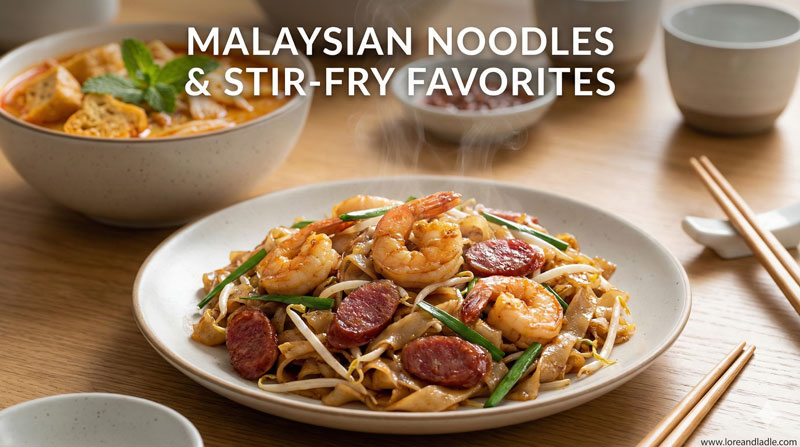
Mee Goreng Mamak: A Cultural and Culinary Treasure
Mee Goreng Mamak shines as more than a dish; it is a symbol of bold flavors and shared moments. This fried noodle classic, born from the heart of Malaysia’s lively street food scene, invites people to gather, taste, and connect. The version favored by many U.S. food lovers blends brisk wok cooking with a bright, multi-layered sauce. The result is a dish that feels both comforting and exciting, a testament to culinary curiosity and hospitality. In its sizzling skillet, noodles meet a chorus of flavors that celebrate everyday genius in the kitchen.
Flavor and Technique: The Heartbeat of the Dish
At its core, Mee Goreng Mamak balances sweet, salty, spicy, and tangy notes. The glossy sauce usually features kecap manis (sweet soy), regular soy sauce, chili, and a touch of tomato or tomato ketchup for brightness. Garlic and onion provide a fragrant base, while tamarind or lime adds an uplifting acidity. Eggs, vegetables, and a choice of proteins—egg, chicken, shrimp, or tofu—add texture and color. The dish relies on high-heat wok cooking to achieve a smoky aroma known as wok hei. This technique quick-cooks the ingredients, seals flavors, and creates slightly caramelized edges that crackle as you stir. The result is a vibrant noodle dish that feels both rustic and refined, affordable to prepare yet complex in taste.
A Shared Table Experience: Hawker Culture and Home Cooking
Mee Goreng Mamak thrives in social spaces where food becomes a shared experience. In Malaysia, hawker stalls and family-run eateries serve it hot, late into the night, inviting neighbors, friends, and travelers to linger. The dish embodies a spirit of hospitality: generous portions, flexible ingredients, and a sense that everyone can customize the plate to their preference. at Home, cooks adapt the recipe to what’s on hand, preserving the essence of the dish while making it their own. This adaptability highlights a cultural value: food as a practical canvas for creativity, conversation, and connection. The aroma alone often signals welcome, turning a simple meal into a memorable moment.
The Craft of Balance: Texture, Aroma, and Color
What makes Mee Goreng Mamak stand out is its careful balance of textures and colors. The noodles should be glossy and slightly chewy, with a delicate char on the edges. Vegetables add crunch and fresh notes, while proteins provide savory richness. Crushed garlic and scallions release fragrance as the sauce thickens, coating each strand evenly. A final squeeze of lime or a dash of chili sauce brightens the plate and invites another bite. Garnishes—such as fried shallots, chopped scallions, or a sliced tomato—add color, aroma, and texture that elevate the overall experience. This attention to balance showcases culinary artistry in everyday cooking, where simple ingredients become a feast through technique and timing.
Why U.S. Food Lovers Crave It: Accessibility and Impact
U.S. food lovers are drawn to Mee Goreng Mamak for its bold yet approachable profile. The dish delivers comfort through familiar elements—noodles, a savory-sweet glaze, and a satisfying mix of proteins and vegetables—while offering exciting, unfamiliar depth in aroma and texture. It adapts well to home kitchens and to restaurant menus alike, with ingredients that many American shoppers already stock: soy sauces, garlic, onions, eggs, and assorted proteins. The global appeal lies in its ability to fuse flavor with familiarity, making it easy to introduce into weeknight cooking. Moreover, the dish encourages culinary exploration, inviting cooks to experiment with level of heat, sweetness, and acidity to suit personal tastes. For the palate curious about Southeast Asian flavors, Mee Goreng Mamak provides a friendly gateway to a broader landscape of sauces, spices, and techniques.
Celebrating Flavor, Craft, and Community
In its essence, Mee Goreng Mamak is a celebration of flavor, craft, and community. It honors the skill of quick-fire cooking, the joy of sharing a table, and the beauty of a dish that invites improvisation without sacrificing harmony. For U.S. readers, it offers a gateway to a rich culinary culture that values balance, technique, and hospitality. Whether enjoyed at a bustling stall or in a quiet kitchen, this dish demonstrates how everyday ingredients can come together to create a memorable, nourishing experience. Explore it with curiosity, respect, and delight, and you’ll discover why Mee Goreng Mamak remains a beloved star on many menus and in many homes.