
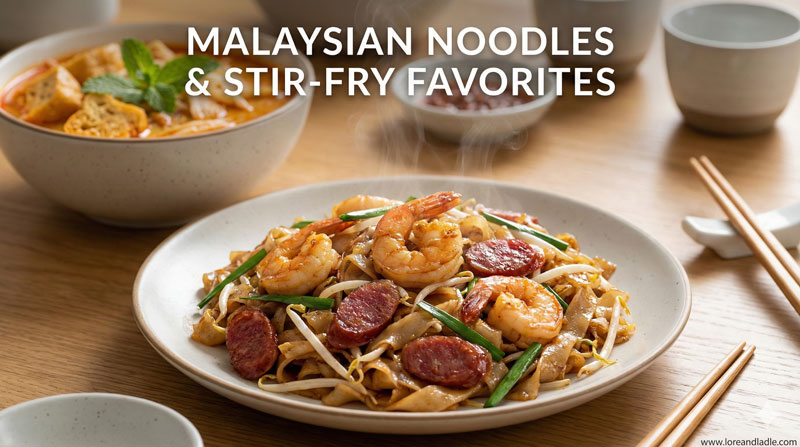
Welcome: A Gentle Culinary Journey “From Malaysia to America” with Pan Mee
Pan Mee is more than a bowl of noodles. It is a warm link between kitchens, a way to greet friends at the table, and a celebration of craft. In this guide, we celebrate its cultural value and its culinary significance. We focus on what Pan Mee means in everyday cooking, and how it shines in American homes as well as in Malaysian ones. The goal is a respectful, inviting look at a dish that brings comfort, skill, and shared moments to the table.
What Pan Mee Is: A Quick, Honest Overview
Pan Mee is a noodle dish built around a generous bowl of broth, hand-cut or knife-cut noodles, and a spectrum of toppings. The name itself evokes the act of cooking by hand, a practice that honors patience and care. The textures matter: the noodles may be soft or springy, the broth clear and savory, the toppings bright and varied. In its essence, Pan Mee embodies balance—comfort with complexity, simplicity with art.
The Cultural Value: Food as a Shared Language
Pan Mee holds a special place in food culture because it invites conversation without demanding it. It is a dish families share, neighbors discover, and friends recreate in their own kitchens. Its value lies in its adaptability and its respect for ingredients. The same pot can serve a quiet weekday supper or a joyful weekend gathering. This flexibility mirrors how communities come together around a meal. Pan Mee teaches patience, technique, and generosity—qualities that enrich daily life.
Core Elements: Noodles, Broth, and Toppings
The heart of Pan Mee rests on three pillars:
- Noodles: Hand-cut or knife-cut noodles bring character. Their irregular edges catch the broth in appealing ways. They reflect the skill involved in traditional noodle making.
- Broth: A clear, flavorful broth binds the bowl. It carries aroma, depth, and a sense of home. The broth is more than liquid—it is the foundation of the dish’s soul.
- Toppings: Common touches include leafy greens, mushrooms, minced meat, and fried shallots. Each topping plays a role in texture and taste, elevating the overall experience.
Together, these elements show how appropriate technique can elevate humble ingredients into something memorable. The dish teaches balance: warmth from the broth, chew from the noodles, brightness from the toppings.
Techniques at Home: Craft Without Obsession
Home Cooks bring Pan Mee to life with mindful, respectful practice. Small but intentional steps matter:
- Knife work: Roughly cutting noodles saves time and preserves texture.
- Broth building: A clear stock, simmered with simple aromatics, creates a comforting base.
- Toppings timing: Add greens and mushrooms at the right moment for color and bite.
These practices reveal a culinary philosophy that values pace, attention, and technique. The result is a dish that tastes like craftsmanship and care.
Flavor and Texture: The Harmony of a Great Bowl
A well-made Pan Mee offers harmony rather than extremes. The broth provides quiet umami, the noodles offer satisfying elasticity, and the toppings deliver crispness, earthiness, and aroma. This balance makes each bite feel complete. The dish teaches us to listen to texture as much as flavor. In every mouthful, there is a story of careful preparation and regional culinary sensibilities.
Regional Verities and Adaptations: A Study in Taste
Pan Mee travels well across kitchens, regions, and households. In Malaysia, you may encounter variations that emphasize certain toppings or broth styles. In American kitchens, cooks adapt with locally available ingredients while preserving the dish’s spirit. The core idea remains the same: a bowl that invites you to slow down, taste deeply, and share with others. Adaptations illustrate cultural exchange through cuisine, highlighting how recipes evolve while keeping their heart intact.
Bringing Pan Mee to Your Table: Practical Steps for Home Cooks
If you want to welcome Pan Mee into your home, start with the essentials:
- Start with a clear broth that carries a gentle depth.
- Choose noodles that have a pleasing chew and soak up flavor.
- Select toppings that add color and texture.
Then, invite the act of plating as part of the ritual. A well-arranged bowl invites conversation and slows time in a comforting way.
The Social Side: Food as Connection
Pan Mee is a social dish. It nourishes conversation as much as it nourishes the body. People gather around the pot, share tips, and offer small adaptations. This dynamic reflects a culture of hospitality and warmth. The dish becomes a bridge between meals, a reason to come together and celebrate everyday life.
Respectful Appreciation: The Beauty of Craft and Time
The beauty of Pan Mee lies in its craft. It honors the maker’s hands—from rolling and cutting noodles to simmering the broth and arranging toppings. Time is not wasted; time is valued. This respect for process translates to a meal that feels deliberate, comforting, and alive. Appreciating Pan Mee means recognizing the joy of skilled work and the generosity of sharing it with others.
A Closing Note: Why Pan Mee Matters in Modern Kitchens
Pan Mee matters today because its essence is timeless. It sits at the intersection of technique, family, and flavor. It invites cooks to learn, adapt, and savor. In American kitchens, Pan Mee offers a doorway to Southeast Asian culinary craft without requiring a grand gesture. It fits into busy routines yet rewards careful preparation. In every bowl, it carries cultural value and culinary significance that endure—one warm, inviting bite at a time.