
A Warm Introduction to a Classic
Better-Than-Takeout Nasi Goreng Kampung You Can Make in Your Own Kitchen invites you into a beloved part of Indonesian cooking. Nasi goreng kampung, or village fried rice, is a dish built for home kitchens and shared tables. Its beauty lies in how it brings simple ingredients into a single, fragrant plate. In many households, it is a go-to for tasting the day’s flavors and turning leftovers into something fresh and exciting.
A Dish that Echoes Everyday Life
This fried rice is more than flavor; it is a cultural practice. It reflects the rhythm of daily meals, markets, and family gatherings. The dish is practical, using staples such as rice, garlic, shallots, chili, eggs, and a few pantry items like kecap manis. Yet its versatility elevates the moment. A home cook can tailor it to what is on hand, keeping the meal lively and true to home cooking. The result is a plate that feels warm, welcoming, and proudly local.
The Flavor Language of Nasi Goreng Kampung
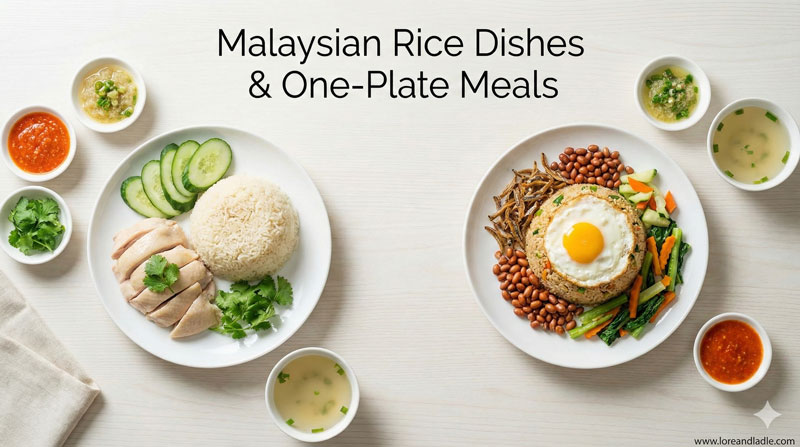
Nasi goreng kampung speaks with a balance of savory, sweet, and a hint of heat. The kecap manis brings a gentle sweetness, while garlic and shallots provide depth. A smoky edge comes from a quick, hot sizzle in a wok or high-sided pan. Egg is a common companion, folded through the rice or served fried on top. Fresh vegetables add color and texture, while optional items like small fish, prawns, or chicken offer variation without losing the dish’s core character. These choices tell a story of regional abundance and seasonal abundance, all in one plate.
Techniques that Elevate Home Cooking
The dish rewards technique as much as ingredients. A hot pan creates that signature aroma known as wok hei—a crisp, caramelized surface that signals masterful searing. Keeping the rice dry and separate prevents a mushy result and helps each grain hold flavor. Stir-frying quickly in small, intense increments preserves brightness in the vegetables and keeps the egg creamy. The cooking method honors the idea that everyday meals can reach restaurant-like harmony with skill and care.
Ingredients as Cultural Signifiers
Each element carries meaning. Rice connects generations—leftover grains transformed into a comforting meal. Garlic, shallots, and chilies encode regional warmth and spice. Kecap manis links to a pantry trade of sweet-salty sauces that flavor many kitchen staples. Eggs reflect a simple, nourishing protein source, often folded through the rice or served sunny-side up. When shared with cucumber slices or prawn crackers, the dish becomes a complete experience, echoing the sensory rhythm of village life and family meals.
Making It at Home: A Personal Reflection on Craft
Choosing to prepare nasi goreng kampung at Home reinforces a sense of ownership over flavor and tradition. It welcomes cooks of all levels to practice balance, timing, and heat control. Day-old rice often yields the best texture, and a well-heated pan helps achieve that lively surface sizzle. By adjusting sweetness, salt, and heat, you tune the dish to your palate while honoring its rustic roots. The act of cooking becomes a moment of care and connection, turning a simple kitchen into a place of shared memory.
Regional Variations: Public and Personal Palettes
Across Indonesia, households adapt nasi goreng kampung to their local larder. In coastal areas, small dried fish or shrimp add a maritime note. In inland regions, tempeh, chicken, or tofu may appear for protein variety. Some cooks emphasize chili paste for extra punch, while others lean on vegetables and aromatic herbs for brightness. These variations show how a single dish can reflect regional pantry items and seasonal produce, keeping the essence intact while inviting personal interpretation.
A Dish for Today: Timeless Yet Timely
Today’s home kitchen can still capture the spirit of village life through nasi goreng kampung. It honors tradition by staying rooted in core techniques and flavors, while also embracing convenience and modern pantry staples. The dish invites people to slow down for a moment and savor the harmony of simple ingredients transformed with care. In this way, it remains deeply relevant: a bridge between memories and daily meals, between heritage and the present plate.
A Final Reflection: The Beauty of Shared Plates
Nasi goreng kampung embodies hospitality, practicality, and culinary artistry. It is a dish that celebrates how everyday cooking can feel ceremonial, how leftovers can become something joyful, and how a home kitchen can echo the warmth of a bustling village market. By making Better-Than-Takeout Nasi Goreng Kampung at home, you participate in a time-honored tradition of flavor, resourcefulness, and communal eating—truly a treasure of food culture that welcomes all who wish to taste its heart.