
Introduction: A Gentle Welcome to Step-by-Step Nasi Goreng USA
Step-by-Step Nasi Goreng USA for First-Time Malaysian Home Cooks invites you into a warm, everyday kitchen tradition. This rendition respects the familiar flavors Malaysians know and love, while adapting to a US pantry. The dish celebrates a simple idea: rice becomes a canvas for aroma, color, and comfort. You will learn a method that is friendly, fast, and full of character. By discovering this fried rice, you step into a shared moment of care for family and friends, no matter where you cook.
Cultural Value: A Dish That Welcomes the Home
Nasi goreng is a story told in rice, onions, and a quick stir of spice. It is a staple that arrives at the table with ease, yet it carries memory and care. In homes across Malaysia, the dish appears for breakfast, lunch, or dinner, reflecting how everyday meals adapt to the day’s needs. The practice of frying leftover rice with a few bright ingredients makes meal time feel intentional and kind. This version, created for First-Time Malaysian Home Cooks in the USA, honors that spirit. It shows how a beloved classic travels and thrives with friendly tweaks, keeping the heart of the dish intact.
Culinary Significance: Flavor, Technique, and Texture
Malaysian fried rice balances sweet, salty, and savory notes. The fragrant aromas come from garlic, shallots, and a quick bloom in hot oil. A touch of sweet soy sauce (kecap manis) adds depth, while a neutral oil lets rice grains shine. Texture matters: each grain should be distinct, not clumpy, with a gentle smokiness from a hot wok or pan. This technique—high heat, fast movement, careful timing—creates a lively, satisfying dish. The result is comfort that respects tradition while inviting new kitchen partners to the table.
Step-by-Step Guide: For First-Time Malaysian Home Cooks in the USA
This section lays out a clear path. Use it as a checklist to build confidence and flavor with every stir.
- Step 1: Gather and prepare.
- Use cold, day-old rice if you have it. It fries best.
- Chop shallots or onions, garlic, and chilies if you like heat.
- Have your proteins ready: cooked chicken, shrimp, or tofu work well.
- Set out eggs, green onions, and vegetables like peas, carrots, or buds of broccoli.
- Step 2: Make aromatics shine.
- Heat a wok or large skillet over medium-high heat and add oil.
- Add shallots and garlic. Stir quickly until fragrant, about 20–30 seconds.
- Step 3: Add protein.
- If using cooked meat, toss it in and heat through.
- Push to the side of the pan to clear space for eggs.
- Step 4: Scramble eggs lightly.
- Pour beaten eggs into the center and scramble just until set.
- Mix them with the meat for even flavor.
- Step 5: Introduce the rice.
- Add the cooled rice. Break any clumps with the back of a spatula.
- Stir vigorously to coat each grain with oil and aromatics.
- Step 6: Season and color.
- Drizzle with kecap manis and a splash of light soy sauce if needed.
- Toss until the rice is evenly colored and glossy.
- Step 7: Finish with brightness.
- Add vegetables and green onions. Stir only until just tender.
- Taste and adjust salt or sugar to balance flavors.
- Step 8: Plate and enjoy.
- Serve hot, with a fresh cucumber slice, lime wedge, or fried shallots on top if you like.
- A side of krupuk or a crisp green salad pairs beautifully.
Ingredient Choices and Substitutions: USA Pantry Friendly
In the USA, you may find kecap manis in international aisles or Asian markets. If it’s hard to locate, you can approximate with a mix of soy sauce and a sweet element:
– Substitution idea: 1 tablespoon light soy sauce + 1 teaspoon brown sugar or maple syrup. This gives a gentle sweetness and depth similar to kecap manis.
– For a deeper aroma, add a tiny drop of sesame oil at the end.
– If you prefer, you can use a touch of honey with soy to balance sweetness, but keep in mind the flavor will be a bit lighter.
– Fresh chilies or chili paste can be added for heat, or left out for a milder version.
– Protein options: leftover chicken, shrimp, or firm tofu all work well.
– Vegetables: keep it colorful with peas, carrots, corn, bell pepper, or greens.
Plating and Social Value: A Meal That Feels Shared
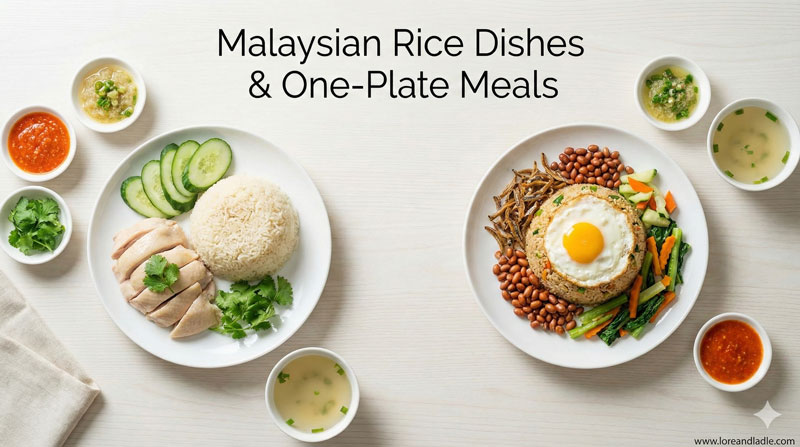
Presentation matters, but friendship matters more. A neat bed of rice with a glossy sheen invites the first bite. A sliced cucumber or a wedge of lime adds brightness. Fried shallots or chopped scallions offer a final crunch and color pop. This dish invites conversation at the table and celebrates the moment when flavors come together. In a home kitchen in the USA, it becomes a bridge between pantry staples and a cherished Malaysian staple, reinforcing the joy of cooking for others.
Final Reflections: The Beauty of a Flexible Classic
Step-by-Step Nasi Goreng USA for First-Time Malaysian Home Cooks shows how a simple technique can welcome new cooks to a beloved tradition. The dish honors flavor, technique, and the care we put into meal time. It is a reminder that good food travels well when it remains true to its roots while embracing friendly adaptations. May your kitchen glow with aroma, joy, and the shared happiness of a warm bowl of fried rice.