
Better-Than-Takeout Nasi Goreng Pattaya: A Kitchen-Friendly Delight
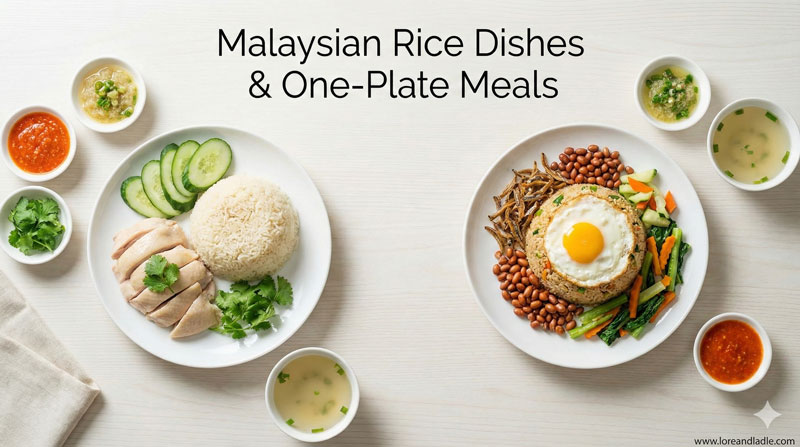
This dish invites home cooks to celebrate Southeast Asian flavors with simplicity and style. It blends familiar pantry ingredients into a plate that feels comforting, vibrant, and genuinely flavorful. You can hear the sizzle in the pan and feel the warmth of a job well done when the omelette wraps the fragrant fried rice. In short, it’s a celebration of home cooking that rewards curiosity and careful technique.
A Window into Southeast Asian Kitchen Culture
Nasi Goreng Pattaya sits at a crossroads of everyday cooking and creative flair. Across households, cooks adapt fried rice to the moment—using what’s on hand, honoring family favorites, and turning humble ingredients into something special. The omelette-wrapped rice is a playful reminder that meals can be both practical and poetic: a simple recipe that travels well on a busy week, yet offers room for personal touch. This dish shows how regional flavors, textures, and textures come together in a single plate to form a shared culinary language.
Texture and Flavor: The Culinary Signature
What makes this dish memorable is how it balances texture and taste. The fried rice is lightly smoky and savory, with a satisfying bite from rice grains that aren’t mushy. The egg wrap brings a soft, creamy counterpoint that holds the rice snugly, creating a neat, portable bite. Flavor wise, the dish often blends savory aromatics with a touch of sweetness from sweet soy, a hint of salt from fish sauce or soy, and a gentle heat from chili. Fresh herbs and vegetables add color and brightness, enriching the dish without overpowering its core harmony. This interplay of soft and crisp, rich and bright, makes the dish widely appealing and deeply satisfying.
The Omelette Wrap: A Clever Technique
The omelette-wrapped rice is a small demonstration of culinary ingenuity. A thin, tender omelette acts as a edible container, preserving moisture inside while offering a delicate texture outside. The technique invites careful heat control: you want the omelette to set just enough to hold the rice without cracking. Then you place the rice in, fold the edges, and seal with gentle pressure. The result is a visually appealing, neatly wrapped parcel whose exterior contrasts with the fluffy interior. This technique reflects a broader Love For texture-variety in home cooking.
From Street Stall to Home Kitchen: A Shared Culinary Language
This dish has a long and friendly presence on the streets and in home kitchens alike. Street stalls showcase speed, aroma, and balance, while home kitchens translate those same signals into a slower, mindful process. The result is a dish that travels well in both senses: it travels through vendors and into family meals, and it travels inward, from curiosity to mastery. Its appeal lies in its universality and adaptability—the ability to honor local ingredients while preserving a signature flavor profile that many find comforting and familiar.
Making It Yours at Home: Tips That Honor Tradition
To honor the dish’s tradition while keeping it accessible, try these ideas:
- Use day-old rice for better texture. Fresh rice can be too soft for frying.
- Keep the egg wrap thin and even for a delicate shell that hugs the rice.
- Flavor the rice with a touch of sweet soy (kecap manis) plus a dash of light soy or salt.
- Add protein such as chicken or shrimp, and include vegetables like peas or sliced carrots for color and crunch.
- Cook the rice and omelette separately, then combine with quick stir-frying to wake the flavors before assembly.
- Finish with fresh herbs or sliced scallions for brightness.
These choices let you maintain the dish’s expressive balance while tailoring it to your pantry and preferences. The goal is to preserve the sense of artistry in a home kitchen while keeping the process approachable.
A Dish for Sharing and Reflection
Ultimately, Better-Than-Takeout Nasi Goreng Pattaya offers more than a tasty plate. It embodies the delight of cooking at Home, the joy of balancing sweet, salty, and spicy notes, and the beauty of transforming common ingredients into something special. It invites cooks to slow down just enough to appreciate texture, aroma, and color. In this way, the dish becomes a small ceremony of everyday culture—warm, inviting, and endlessly adaptable.